Alpha and Beta Pinene – The Differences and They’re Potential
When we think of the Pinene's I personally go to Christmastime - all those pretty trees decorated in peoples homes and the aromas that come with them. The smell alone is relaxing which is why this...
 Mike Robinson
5 min read
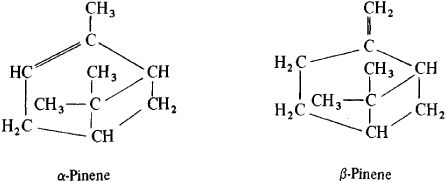
When we think of the Pinene's I personally go to Christmastime – all those pretty trees decorated in peoples homes and the aromas that come with them. The smell alone is relaxing which is why this terpene is used so often in aromatherapy – it's also healing and has countless properties that help us. But there's actually 2 types – Alpha Pinene and Beta Pinene. Many don't go into this aspect but as a researcher there's definitely some differences that I've noticed in study. They're both harder to dissolve than many other solutions as they're such strong compounds, they both have a pungent smell, and they both vary in percentage within both cannabis THC and hemp plants.
The difference between these kissing cousins is in the sub type of what's called an isomer called an entanisomer – a scientific difference between the two much like saying there's a scientific difference between the relationship of two closely related cannabinoids. The comparison between CBD and THC for example is perfect as they are very similar in structure but do different things and are shaped alike – almost an identical comparison of how two cannabinoids that are almost identical simply are not – but with these two types of Pinene – they're extremely near in medicinal values and potential. It's interesting that we have so many elements of nature also found in the cannabis plant types.
Sarah Swchefel, an analyst at the Global Cannabinoid Research Center, recently wrote the following article for Mike's Medicines on Pinene and it's potentials/abilities.
Cannabis Terpenes By Sarah: Pinene and It’s Effects
By: Sarah Schwefel, Content Specialist with Mike Robinson
Terpenes are aromatic compounds found in plants creating their individual scent, as well as containing many medicinal properties. There are over 100 terpenes identified in nature. Today we are going to learn all about Pinene.
There has been use of pinene recorded many years, and was even used in Ancient Chinese medicine in particular to treat cancers. Numerous studies have backed the ancient medicinal use. In 2015, pinene demonstrated antitumor effects on human hepatoma cells (Chen et al 2015 Antitumor effects of A-Pinene on human hepatoma cell lines through inducing G2/M cell cycle arrest) and in 2013 A-Pinene demonstrated antioxidant, anticancer, and genotoxic properties on neuroblastoma cells. (Aydin et al 2013 Antioxidative, anticancer, and genotoxic properties of a pinene on N2a neuroblastoma cells)

I personally love to reach for pinene for its anti-inflammatory effects as well as sedative properties. The anti-inflammatory effects have been documented through out the years. In 2012 pinene showed protective effects on cerulin induced pancreatitis in mice (Bae et al 2012 protective effects of alpha pinene in mice with cerulin induced pancreatis). While a study from 2015 showed the anti-inflammatory effects of alpha pinene was demonstrated through the suppression of MAPKs and the NF-Kb pathways in mice. (Kim et al 2015 Alpha pinene exhibits anti-inflammatory activity through the suppression of MAPKs and the NF-kb pathway in mouse peritoneal macrophages) Beta Pinene, found in the essential oil of Litsea Glaucescens, has also shown antidepressant and sedative properties, and points for the need for continued research on this therapeutic benefit. (Gutierrez et al 2012 antidepressant activity of litsea glaucescens essential oil: identification of b pinene and linalool as active priciples)
Pinene is filled with many medicinal benefits and one can hold great value to patients with Alzheimers. In 2017 a study showed that pinene has the potential to help with memory and learning, particularly in Alzeihemer patients. (Lee et al 2017 Amelioration of scopolamine induced learning and memory impairment by a-pinene in C57BL/6 mice) This study was conducted on mice and I hope to see human trials begin soon to explore this benefit pinene may offer more in depth.
Have you ever walked into a pine forest and taken a deep breath to feel your lungs open wide, while inhaling the beautiful fresh pine scent? This is not just because of the beauty surrounding you, but because of the pinene being flooded into your system by the trees surrounding you! Pinene itself is a natural bronchodilator and offers respiratory support. A 2011 study showed anti infectious/antiviral properties of pinene against Bronchitis Virus (IBV) and demonstrated the potential for pinene to be used in pharmaceutical treatments for IBV. (Yang et al 2011 comparative antiinfectious Bronchitis virus (IBV) activity of pinene: effect on nucleocapsid (N) protein)
I know what you are thinking, where can I get my hands on some pinene? Chances are you have already had moments where pinene has been in your life. Whether it be from a forest filled with pine trees, or maybe in your dinner with sage, parsley, dill, basil, or rosemary! I personally love adding pine nuts to my salads for an extra boost of this amazing terpene! Other plants that have pinene are turpentine, eucalyptus, camphorweed, and ironwort. Of course various strains of cannabis contain pinene as well though each strain will have different terpenes and compounds. Some strains that often contain pinene are Blue Dream, Jack Herrer, OG Kush, and Dutch Treat. When it comes to choosing cannabis strains with pinene it is best to see the lab results and terpene content to truly know. Not all strains will have the exact same terpene content so it may vary depending on the cultivator. So my question is to you, what will you reach first for your dose of Pinene? -Sarah
This article is educational commentary from GCRC. It is not a report of study findings and is not medical advice. Speak with a qualified healthcare professional about your own health.