Research Review: Are Your CBD Gummies What They Claim to Be?
As the global CBD market continues to flourish, concerns about product quality and consumer transparency remain at the forefront. The newly published study titled "Cannabidiol Gummy Products...
 admin
4 min read
A Review of "Cannabidiol Gummy Products: LC-MS/MS Assessment of Cannabinoid Concentrations"
Published in Cannabis and Cannabinoid Research, June 2, 2025
Lead Author: Dr. Shanna Babalonis, University of Kentucky (ORCID)
Overview:
As the global CBD market continues to flourish, concerns about product quality and consumer transparency remain at the forefront. The newly published study titled "Cannabidiol Gummy Products: LC-MS/MS Assessment of Cannabinoid Concentrations" offers a sobering look at the real-world cannabinoid content of some of the most popular CBD gummy products on the U.S. market today.
The study appears in the journal Cannabis and Cannabinoid Research, an established peer-reviewed platform for cannabis science.
The principal investigator, Dr. Shanna Babalonis, is an associate professor at the University of Kentucky's Department of Behavioral Science and Center on Drug and Alcohol Research. Her work focuses on human drug pharmacology, with significant contributions in cannabinoid research and policy evaluation. Dr. Babalonis is a frequent collaborator with public health and regulatory agencies, working to understand cannabinoid pharmacokinetics and consumer risks better.
What Did the Study Investigate?
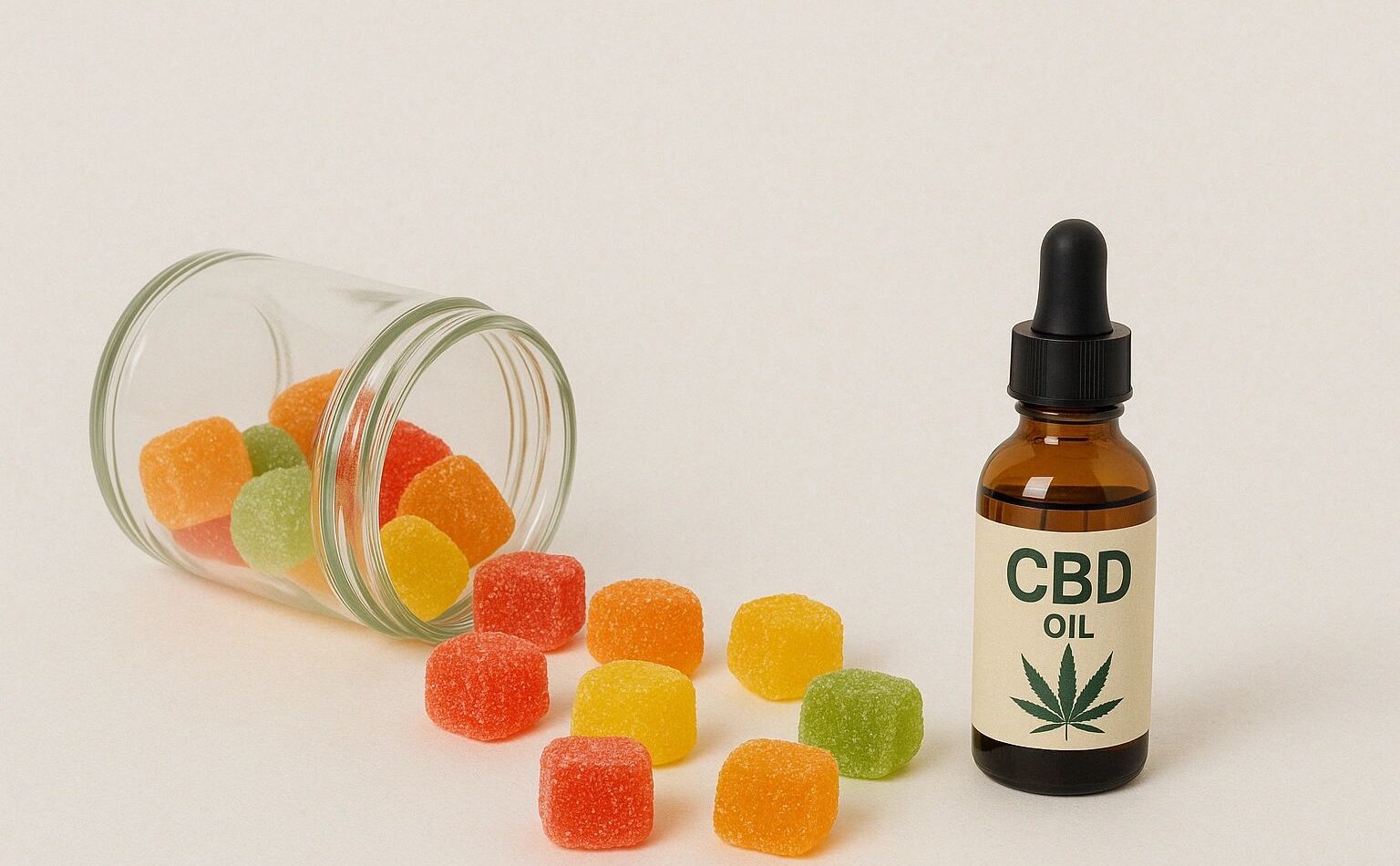
The study examined the actual cannabinoid concentrations in 56 commercially available CBD gummy products. The research was motivated by growing evidence that CBD edibles are poorly regulated and frequently mislabelled, leaving consumers unaware of what they are ingesting.
Using liquid chromatography-tandem mass spectrometry (LC-MS/MS)—a gold standard analytical method—the researchers assessed:
- CBD concentration per gummy and whether it matched the product label.
- Presence and concentration of Δ9-THC, Δ8-THC, and other cannabinoids like cannabinol (CBN) and cannabidivarin (CBDV).
- Variability of cannabinoid content within a single bottle (gummy-to-gummy consistency).
Products were sourced from national brands available via online retail platforms, reflecting what a typical U.S. consumer might encounter.
Key Findings:
CBD Content
- Mean CBD per gummy: 21.38 mg (range: 5.70 − 59.99 mg).
- 70% of products contained a CBD amount differing by more than 10% from the labeled value.
Conclusion: Label claims were often inaccurate, with both under- and over-labeling common.
Δ9-THC Presence
39% of products contained detectable Δ9-THC (range: 0.019–0.88 mg/gummy).
- 16% of products contained >0.4 mg Δ9-THC per gummy, a dose with potential psychoactive effects for some consumers.
Conclusion: THC contamination is widespread and unpredictable, posing a risk to those seeking "THC-free" products.
Within-Product Variability
- Analysis of 10 products showed high Variability in cannabinoid content between individual gummies:
- CBD variation: 2.1 − 27.1%
- Δ9-THC variation: 3.1 − 23.5%
Conclusion: Even within a single package, dose uniformity is unreliable, which is problematic for medical use or precision dosing.
Why This Matters for Consumers & Regulators
This study reinforces what many in the cannabinoid research community—and many frustrated consumers—already suspect: label accuracy and product consistency remain critical weak points in the CBD industry.
- Medical patients using CBD gummies for pain, anxiety, or epilepsy could receive too little or too much CBD from inconsistent products.
- Sensitive populations (children, elderly, and those subject to workplace drug testing) could unintentionally ingest psychoactive amounts of Δ9-THC, triggering unwanted effects or legal concerns.
- The wide variance also undermines trust in the CBD marketplace and highlights the need for enforceable product standards.
Dr. Babalonis and her team conclude that regulatory oversight, including testing requirements and stricter labeling guidelines, is urgently needed to protect consumer health.
Final Thoughts from GCRC:
At the Global Cannabinoid Research Center, we see this paper as yet another wake-up call for consumers, industry stakeholders, and policymakers. Until uniform testing and regulatory frameworks are implemented, buyer beware remains the rule in the U.S. CBD edibles market.
For trusted updates on cannabinoid science, follow the GCRC blog for ongoing insights and expert commentary.

-Mike Robinson, Global Cannabis Educator and Creator of ECS Balance Control
You can access the full abstract of this study here: https://doi.org/10.1089/can.2024.0167
And its citations:
1. United States 115th Congress. Agricultural Improvement Act of 2018. 2018. Available from: https://www.congress.gov/115/plaws/publ334/PLAW-115publ334.pdf
2. CBD Insider, US CBD Consumer Report. 2021. Available from: https://thecbdinsider.com/featured-article/the-cbd-insider-2021-us-cbd-consumer-report/ Google Scholar
3. Corroon J, Phillips JA. A cross-sectional study of cannabidiol users. Cannabis Cannabinoid Res 2018;3(1):152–161; Google Scholar
4. Goodman S, Wadsworth E, Schauer G, et al. Use and perceptions of cannabidiol products in Canada and in the United States. Cannabis Cannabinoid Res 2022;7(3):355–364;
This article is educational commentary from GCRC. It is not a report of study findings and is not medical advice. Speak with a qualified healthcare professional about your own health.