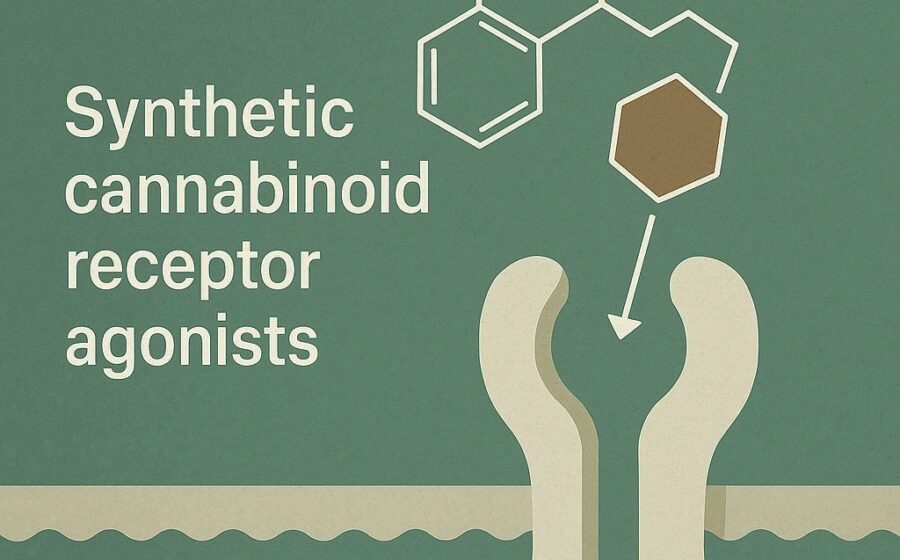
Mechoulam 2024: Research Study on Cannabidiolic Acid Methyl Ester
Raphael Mechoulam often hailed as the "father of cannabinoid research," made groundbreaking contributions to the field of medicinal cannabis. Born in 1930 in Bulgaria, Mechoulam moved to Israel...
 admin
5 min read
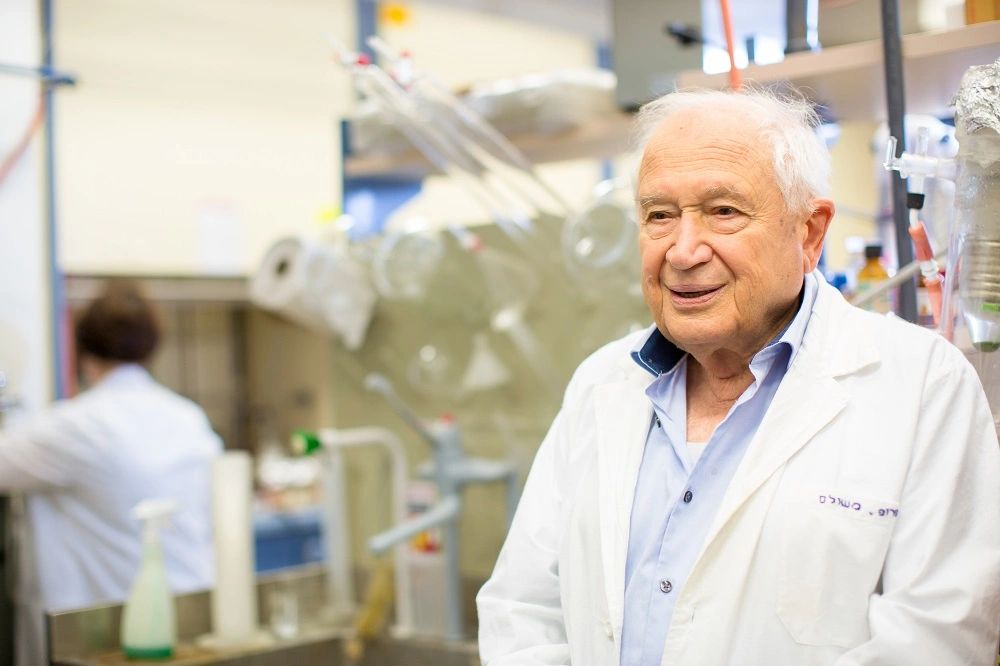
Raphael Mechoulam often hailed as the "father of cannabinoid research," made groundbreaking contributions to the field of medicinal cannabis. Born in 1930 in Bulgaria, Mechoulam moved to Israel, where he began his scientific career in earnest. His most notable work started in the early 1960s when he successfully isolated and then was the first to synthesize Δ9-tetrahydrocannabinol (THC), the main psychoactive component of cannabis. Among his countless accomplishments, he went on to synthesize multiple analogs and patent them, many have been sold in the recent surge of CBD conversions in the US market.
His work was pivotal in discovering the endocannabinoid system (ECS), a complex cell-signaling system identified in the late 1980s and early 1990s that is now known to be crucial in maintaining human health and homeostasis. The ECS involves receptors that can be activated by cannabinoids like THC and CBD, explaining their effects on the body.
Impact on Medical Science
Mechoulam's discoveries opened new pathways for the development of cannabinoid-based therapeutics. He was particularly interested in the potential medical applications of cannabinoids in treating various conditions such as epilepsy, pain, and inflammatory diseases. His research has led to the development of synthetic cannabinoid medications, including the first-ever approved cannabinoid-based drug, dronabinol, used to treat nausea and vomiting caused by chemotherapy.
Educational and Collaborative Efforts
Mechoulam was also a dedicated educator and mentor, fostering new generations of scientists and alchemists in cannabinoid research. His collaborations spanned globally, involving numerous research institutions and pharmaceutical companies aiming to understand and harness the therapeutic potential of cannabinoids.
Like many entities, big and small, including very large establishments of higher education, the Global Cannabinoid Research Center will forever cherish its communications and collaborations with Professor Raphael Mechoulam.
Later Research and Legacy
Mechoulam remained active in the field until he passed away in 2023 after a long life. His later work focused on the stability and efficacy of cannabinoid acids, such as cannabidiolic acid (CBDA), which are less studied than their decarboxylated counterparts. His research on CBDA and its methyl ester derivatives, like CBDA-ME (explored in the study), sought to overcome stability issues and improve therapeutic efficacy.
This study was preprinted with a 'Dedication' "This article is dedicated to the memory of Professor Raphael Mechoulam (1930−2023), a pioneer of cannabinoid research, who participated in this project until his passing."
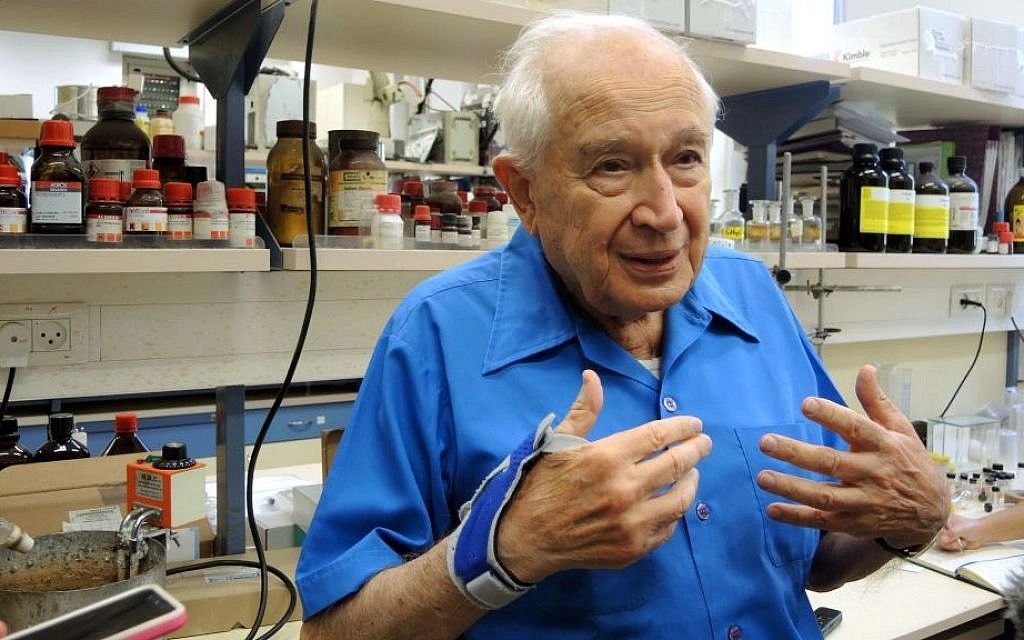
Reflection on the CBDA-ME Study in Context of Mechoulam's Legacy
The study "Unraveling the Molecular Basis of Cannabidiolic Acid Methyl Ester's Anti-Depressive Effects in a Rat Model of Treatment-Resistant Depression" is a direct continuation of Mechoulam's vision. This study explores the antidepressant-like effects of CBDA-ME, a more stable and potent derivative of CBDA, in animal models. The findings suggest significant potential for CBDA-ME in treating conditions like major depressive disorder (MDD), leveraging the molecular pathways associated with the ECS—a system Mechoulam helped discover.
Future Prospects
Building on Mechoulam's foundational work, ongoing and future research into cannabinoids and their derivatives, like CBDA-ME, holds promise for developing new, more effective therapeutic agents with fewer side effects. Studies like these honor Mechoulam's legacy by continuing to explore and elucidate the complex interactions between cannabinoids and biological systems, potentially leading to novel treatments for various conditions.
Introduction to the Research – And a Quick Review:
The research paper is titled "Unraveling the Molecular Basis of Cannabidiolic Acid Methyl Ester's Anti-Depressive Effects in a Rat Model of Treatment-Resistant Depression" aims to explore the efficacy and underlying mechanisms of CBDA-ME in treating major depressive disorder (MDD). The study is against a backdrop where traditional antidepressants often exhibit delayed effects and significant side effects, prompting a search for novel therapeutic alternatives.
Summary of the Study
This study, conducted at various renowned institutions, including Bar-Ilan University and Hebrew University, focuses on the chronic oral administration of CBDA-ME to Wistar Kyoto (WKY) rats, a genetic model for treatment-resistant depression. The main objectives were to assess behavioral changes and molecular responses in the hippocampus and medial Prefrontal Cortex (mPFC) after administering CBDA-ME.
Key Findings
- Behavioral Effects: The administration of CBDA-ME resulted in a significant reduction in immobility and an increase in swimming durations in the Forced Swim Test (FST), indicative of an antidepressant-like effect. This effect was similar to that observed with the conventional antidepressant imipramine.
- Molecular Insights: The study highlighted several molecular changes, such as the upregulation of cannabinoid receptor 1 (CB1) and the downregulation of the serotonin transporter (SERT) in the hippocampus. Additionally, changes in corticosterone (CORT) serum levels were observed, suggesting a modulation of the stress-response pathway.
- Potential Mechanisms: The results suggest that CBDA-ME may exert its effects by interacting with the endocannabinoid system (ECS) and other neurotransmitter systems. This interaction includes alterations in the expression of key genes associated with depression and stress response.
Discussion
The significance of the study lies in its contribution to understanding the psychopharmacological potential of cannabinoids, specifically CBDA-ME, in treating depression. The findings suggest that CBDA-ME can potentially offer a faster onset of action and fewer side effects compared to traditional antidepressants. This is particularly valuable for treatment-resistant cases of depression where other medications have failed.
Comparative Analysis with Other Esters of Cannabinoids
Comparing CBDA-ME with other cannabinoid derivatives, such as cannabidiol (CBD) and tetrahydrocannabinol (THC), highlights its unique potential in psychopharmacology. Unlike THC, CBDA-ME does not have psychotropic effects, making it a safer option for clinical use. Furthermore, CBDA-ME appears to have a more stable and potent profile than CBDA, its precursor, which is susceptible to decarboxylation into less active forms.
Conclusion
This study provides compelling evidence for the antidepressant effects of CBDA-ME, supporting its development as a novel therapeutic agent for depression. Its ability to modulate the ECS and affect key molecular pathways associated with depression offers a promising avenue for future research and potential clinical application in managing depressive disorders.
Future research should replicate these findings in human clinical trials to validate the antidepressant-like effects of CBDA-ME observed in animal models. Exploring the full spectrum of CBDA-ME's molecular interactions could uncover other therapeutic targets within the ECS and beyond in our body.
This review underscores the importance of cannabinoids as a potential class of therapeutics for depression, promising a paradigm shift in treating a prevalent and challenging mental health condition.
© Mike Robinson, Founder Global Cannabinoid Researcher Center and Creator of ECS Balance Control, The Researcher OG
Reference:
Journal of Psychiatric Research
Available online April 2024
LINK TO PREPRINT RESEARCH:
https://www.sciencedirect.com/science/article/abs/pii/S0022395624002395
This article is educational commentary from GCRC. It is not a report of study findings and is not medical advice. Speak with a qualified healthcare professional about your own health.