Cannabinoid and COX-2 Inhibitor Conjugates: Emerging Patent
A groundbreaking development in the fast-paced cannabinoid medical research and pharmacology landscape is poised to help redefine the approach to treating many medical conditions. The patent titled...
 admin
3 min read
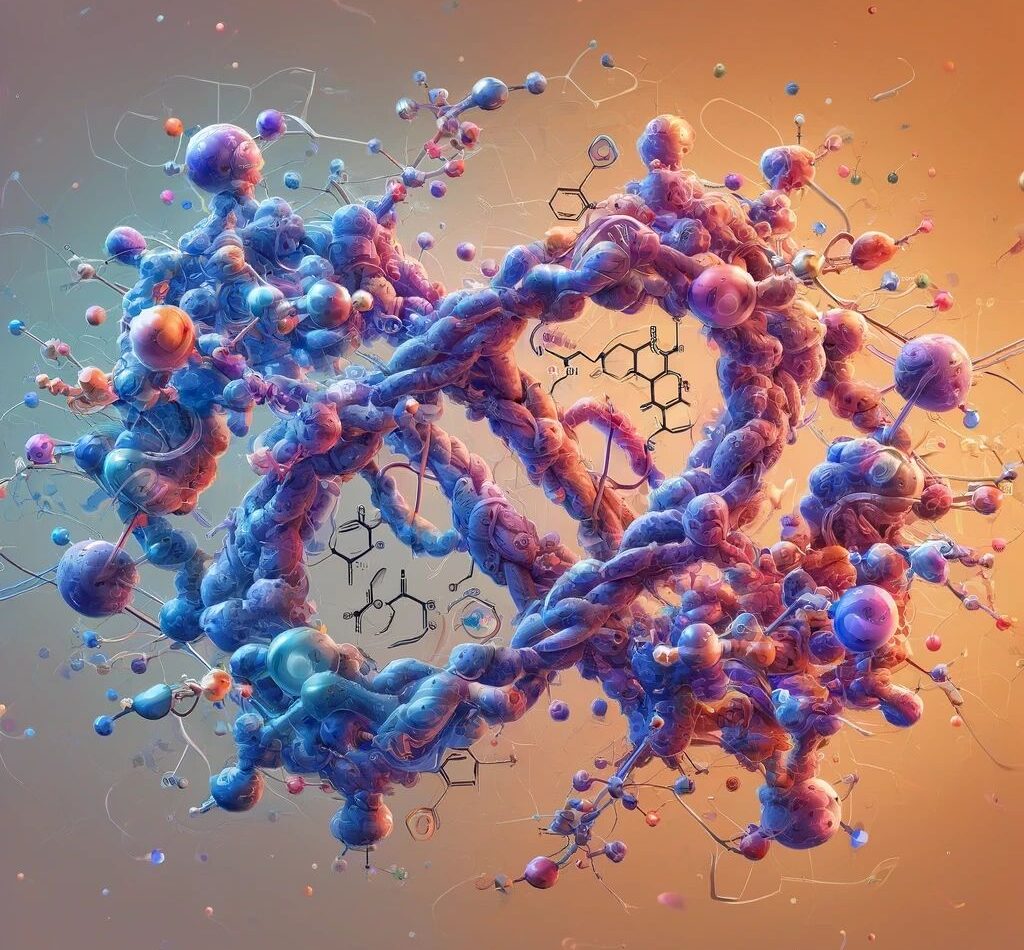
A groundbreaking development in the fast-paced cannabinoid medical research and pharmacology landscape is poised to help redefine the approach to treating many medical conditions. The patent titled "US20230256104A1," was filed on August 17, 2023, introduces an innovative class of conjugate molecules that integrate the therapeutic prowess of cannabinoids with COX-2 inhibitors, bridging two potent realms of medicinal chemistry into a singular, potent entity.
This novel patent unveils conjugate molecules with a unique formula (I-a). In this formula, an active agent, specifically a COX-2 inhibitor moiety, is intricately linked to a cannabinoid moiety through a specialized linker. This linker is not merely a structural component but a pivotal feature that enables the conjugate molecule's targeted delivery and enhanced efficacy.
The COX-2 inhibitor moiety, known for its anti-inflammatory and pain relief properties, combined with cannabinoids—compounds celebrated for their neuroprotective, anti-inflammatory, and analgesic effects—presents a synergistic potential that could revolutionize the treatment landscape for various conditions.
The patent details various embodiments of the conjugate molecule, specifying the COX-2 inhibitor moieties that can be employed, including well-known compounds such as celecoxib, etoricoxib, and diclofenac. It also outlines the diverse range of cannabinoids that can be integrated into these molecules, such as cannabidiol (CBD), tetrahydrocannabinol (THC), and cannabigerol (CBG), highlighting the versatility and adaptability of the conjugate design to cater to different therapeutic needs.

Significantly, the application of these conjugate molecules spans across a spectrum of medical conditions. The document enumerates potential therapeutic uses for ailments like arthritis, neuroblastoma, familial adenomatous polyposis, pain management, and neuropsychiatric disorders, suggesting a broad and impactful clinical relevance. Moreover, the patent suggests various administration forms, including topical applications such as creams and gels, underlining the flexibility in delivering these treatments to patients.
One of the patent's most intriguing aspects is the synthesis method for these conjugate molecules. It delineates a precise and innovative approach involving the reaction of aminohydroxyalkane or aminoalkyl chloroformate with a COX-2 inhibitor moiety, followed by a series of steps leading to the conjugation with a cannabinoid moiety. This methodological insight provides a blueprint for creating these molecules and allows further modifications and improvements in synthesizing similar therapeutic agents.
The convergence of cannabinoids and COX-2 inhibitors through this patented technology represents a monumental leap forward in the quest for more effective, targeted, and versatile treatments. For researchers and professionals at the Global Cannabinoid Research Center and beyond, this patent signals a significant advancement in therapeutic agent design and inspires future innovation in medical science.
Many may find that these lab-created cannabinoids are controversial, and as the founder of the Global Cannabinoid Research Center, there would be a form of agreement on this. However, there are also uses we do not have from the plant in these various lab-created substances; if nothing else, they'll be great for research, but we will likely see them in future Novel drug applications to the FDA.
In conclusion, the patent "US20230256104A1" marks a pivotal moment in integrating cannabinoid science with traditional pharmacological approaches. It offers new avenues for treating complex medical conditions and pain management.
As this innovative technology progresses from concept to clinical application, it promises to open new horizons in patient care and therapeutic strategies, embodying the essence of next-generation medicinal chemistry.
© 2024 Mike Robinson, Founder Global Cannabinoid Researcher Center and Creator of ECS Balance Control, The Researcher OG
This article is educational commentary from GCRC. It is not a report of study findings and is not medical advice. Speak with a qualified healthcare professional about your own health.