Research: CBD in the Treatment of Gout (Inflammatory Arthritis)
As a type of inflammatory arthritis gout will target and affect joints - it particularly likes to attack the big toe which can bring on serious and chronic pain accompanied by swelling that's hard to...
 admin
12 min read
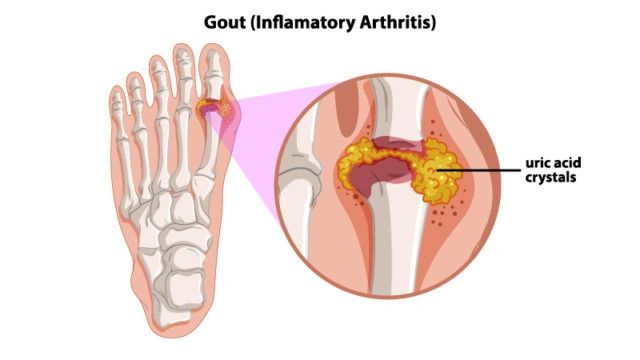
As a type of inflammatory arthritis gout will target and affect joints – it particularly likes to attack the big toe which can bring on serious and chronic pain accompanied by swelling that's hard to manage. The development of gout is triggered by high concentrations of uric acid crystals in the joints, whose sharpness can damage the joint, causing disturbing pain when pressured. Cannabinoid constituents such as CBD and CBG have been found to provide promising potential in the relief of this condition.
When it comes to excess concentrations of uric acid in the blood, the breakdown of purines is to cause. A purine-rich food that causes your body to produce more uric acid than it can get rid of is, without a doubt, the cause of nearly 90% of these cases. Most of the time, doctors prescribe medications for pain management, such as Ibuprofen or Naproxen. More severe cases of gout may require the intervention of corticosteroids in order to reduce inflammation.
Unfortunately, we live in a world where addiction to the painkillers is common – and the dangerous side effects like liver damage, heartburn, addiction, and lethal overdose are not at not uncommon. In a society that creates new habits by the day, strong pain medicines are becoming one that isn't quite so popular anymore. This is why hemp extracts have gained in popularity in recent years as a natural and safe alternative for pain and inflammation – including for the world of patients with serious arthritis and gout.
Various types of the Cannabis plant have been a popular remedies for joint pain and gout among the Chinese and other civilizations dating back nearly 10,000 years. The plant is actually mentioned in pharmacopeias on multitudes of continents for its vast abilities and the lack of dangerous side effects.
Although modern science has yet to explore the reason behind the health benefits of CBD for gout, some studies have suggested that the ingredients of cannabis can serve as a viable treatment for joint pain and inflammation associated with this pesky form of arthritis.
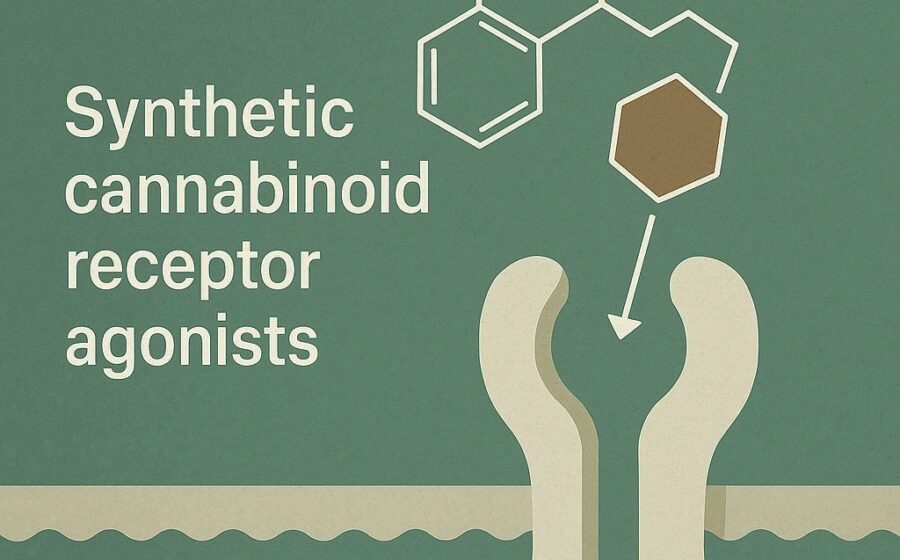
CBD is a plant-based cannabinoid that modulates the functioning of the endocannabinoid system (ECS) — the major neurochemical network that keeps all biological processes in the body in a state of complete harmony. The ECS controls functions like memory, emotional processing, body temperature, reproduction, immune response, mood, sleep cycles, pain, and more.
Whenever the balance between these functions is disturbed, the ECS increases the production of its endogenous cannabinoids that either modulate or bind to cannabinoid receptors to bring the body back to homeostasis.
Taking CBD empowers the endocannabinoid system in the sense that it can produce more of its natural cannabinoids. It can also slow their breakdown by inhibiting the enzyme that metabolizes them.
When more cannabinoids circulate in the body, the ECS can restore the homeostasis more effectively. The above interaction triggers anti-inflammatory responses and mitigates pain signals. CBD also has over 65 molecular targets, which would explain why people take it to manage so many conditions.
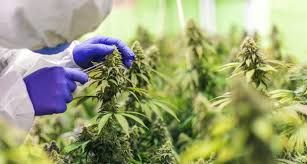
A 2015 study from the European Journal of Team assessed the effects of a CBD cream in rats with arthritis. According to the authors, this route administration had long-lasting therapeutic effects without intoxication (1). Therefore, using CBD topicals like creams and gels can help in the management of inflammation and pain caused by gout.
Despite coming from a rat model of arthritis, these results indicate the need for similar studies, but on human subjects. It’s also worth noting that studies on rats show high relevance to human studies, as all mammals have the same cannabinoid system that responds to phytocannabinoids.
Another study, published in Current Opinion in Pharmacology, concluded that cannabinoids such as CBD and THC could potentially relieve pain associated with osteoarthritis, the most common type of arthritis that causes the bones and cartilage to degrade. The research team also reported that the body’s endocannabinoid system influences pain signaling from the joints to the brain (2).
In a 2018 study, cannabis plants, especially those with high caryophyllene and myrcene content, were successful in treating headaches, migraines, arthritis, and other sources of pain (3). These two compounds belong to terpenes, a category of aromatic molecules that also modulate the activity of the major cannabinoids in cannabis. This interaction contributes to the entourage effect, which refers to the synergy achieved by all cannabis compounds.
While researchers haven’t investigated the therapeutic potential of CBD specifically for gout, it is true that the cannabinoid can be used in arthritis-related conditions, to which gout belongs.
Long story short, the above studies can be a good point of reference for further research to confirm anecdotal reports from patients. Doctors are positive about using cannabinoids to treat the arthritic pain. For example, Dr. Jason McDougall, a professor in the department of anesthesia at Dalhousie University in Halifax, Nova Scotia, says that cannabinoids may come in handy for the management of general arthritis pain.
Dr. McDougal has recently given an interview, where he talks about cannabis being able to improve the functioning of the nerve endings in arthritis patients. “They’re all bare, they’re all raw and responsible for feeling a lot of pain. What we hypothesize is that by locally administering these cannabis-like molecules to those nerves, we’d actually be able to repair them and reduce the pain of arthritis.”
According to another chronic pain expert, Dr. Daniel Clauw, a professor at the University of Michigan in Ann Arbor, CBD oil can help different types of arthritis.
“It appears as though it is very safe. The treatment includes low doses of CBD in 5 to 10 milligrams twice daily and progressing to higher doses of 50 to 100 milligrams per day if necessary. If symptoms persist, patients may try a CBD product that contains a small amount of THC,” says Clauw in his interview with Arthritis.org.
Holistic healthcare experts, such as Debra Rose Wilson, Ph. D., also see the health benefits of CBD for gout. As she told Medical News Today, “At a time when we are trying to reduce the use of pain relievers, CBD oil can be an effective approach to managing the pain of arthritis. Researchers have also recognized the role that CBD could play in reducing the pain-causing inflammation of arthritis.”
When it comes to taking CBD for gout, there are two ways to approach this condition. We generally recommend combining them in order to get the most out of your treatment.
You can use CBD oil orally or apply a topical product to the affected area. Here’s how it works.
Studies investigating the efficacy of CBD for gout have shown that CBD oil is the most potent and effective when taken in a full-spectrum version. In simple terms, full-spectrum CBD is a product made from the whole hemp plant that includes the various constituents found therein.
These nutrients work together in a synergy known as the entourage effect. The proponents of the entourage effect claim that the compounds in cannabis have a better therapeutic profile when they are taken along with one another than when administered alone. Full-spectrum CBD products won’t get you high, as they only contain up to 0.3% THC – a concentration that can hardly cause intoxication. Newer legislation may allow this to move up to 1%.
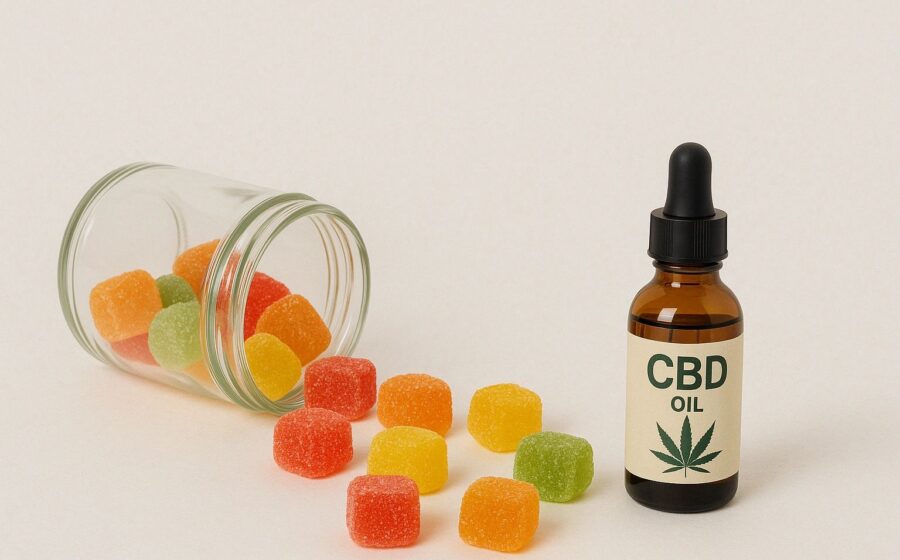
Using CBD oil is what people call the sublingual method. You need to squeeze your dose of CBD using a dropper attached to your oil, transfer it under the tongue, and let it sit there for up to 60 seconds so that CBD can absorb into the bloodstream through the small capillaries in your mouth.
The effects of CBD oil usually take hold after around 15–30 minutes and last up to 6 hours. However, natural CBD oil has a very distinctive taste, which may not appeal to you if you have a delicate palate.
If you’d like to try an alternative form of CBD, you may choose from capsules or edibles such as CBD gummies or CBD honey sticks. These products contain a fixed amount of CBD per serving and are convenient to take.
With oral forms of CBD, you’ll need to wait a bit before gaining full efficacy. With edibles and capsules especially this holds true as they are processed in the digestive tract prior to being released into the bloodstream. This also causes them to lose some of their potency. But since the liver releases the CBD gradually, the effects last longer, up to 10 hours.
"Topical formulations target localized problems, such as gout-triggered flare-ups on top of providing overall improvements in pain markers and inflammation. Recent clinical trials have proven what people have already known for decades, if not centuries, that cannabis plants have strong anti-inflammatory properties." –Mike Robinson, GCRC

When hemp extracts like CBD and CBG are used on our skin via the use of topical solutions, the cannabinoids interact with CB2 receptors in the skin’s epidermis layer. By doing so, they cause the immune system to produce an anti-inflammatory response that slows the swelling – and even the redness of gout. In turn this dramatically helps the pain associated with the condition. The absorption rate of CBD topicals depends on their formulations. Some topicals are made with soluble ingredients that can allow that to happen very fast while oil solutions will take a few minutes to start working.
While doing your research on the best CBD for gout, make sure to carefully analyze the list of ingredients. While CBD is safe for all skin types, other ingredients, especially those synthetic ones we see that thicken topicals can actually make your symptoms worse and increase pain.
CBD Oil vs Allopurinol – the Drug used to treat Gout:
CBD is the inhibitor of the group of enzymes that metabolizes active ingredients in many medications. In other words, taking CBD along with your meds may change their concentration in the blood and provide either subtherapeutic effects or cause toxicity and burden your liver. The group of affected enzymes is known as the cytochrome p450 system.
Allopurinol, the most commonly prescribed treatment for increased excretion of uric acid, unfortunately, uses the cytochrome p450 system, so there’s a chance that CBD will interact with it and thus decrease its activity.
The best way to avoid potential interactions between CBD and medications is to consult a knowledgeable doctor with experience in using cannabis to treat pain. A consultation with a qualified physician will also help you establish the right CBD dosage for gout.
How Much CBD to Take for Gout?
Whether a specific amount of CBD will work for you depends on a range of personal factors. People have different metabolisms, diets, lifestyles, and weight — all of which can affect the optimal dosage for each individual. Factors like age, gender, physical activity, and sensitivity of cannabinoid receptors also play an important role in how CBD will affect your body.
Some people benefit from small amounts of CBD whereas others experience relief from gout after taking larger doses – and this is where the Drug:Drug interactions can happen with pharmaceuticals. Patients will ultimately decide their dosage on most alternative remedies – hemp extracts in topicals are used at varied amounts depending on the specific patient's need.
Other Natural Remedies for Gout:
Consumers continue to gain more knowledge on their healthcare – and with that comes multitudes of complementary therapies – most of them being natural. Essential oils on their own are used by multitudes of patients with this wellness issues and so many others.
Many times it's other plants that can compliment the use of Hemp or even be used on their own to allow a person an alternative to synthetic pharmaceuticals in the treatment of Gout.
Biota Orientalis Extract is derived from a Chinese cypress tree and used in traditional Chinese folk medicine – this plant extract comes in handy for the prevention and treatment of gout. Some studies have found that it may help lower the concentrations of uric acid in the blood (4).
Celery seed oil is used by many for the same issue. Some studies have mentioned Indian celery seed oil as a potential therapeutic agent for gout. It enhances the anti-inflammatory response in the body, reducing redness and swelling (5).
Ginger is a popular antioxidant, anti-inflammatory, and anti-gout spice. According to research, extracts from the ginger root may be able to reduce uric acid levels and prevent future gout flare-ups (6).
The olive tree is the source of many great products, from olive oil to olive leaf extracts. Mediterranean medicine used olive leaf extracts to treat gout for centuries. Clinical studies mention olive leaf as an effective compound in easing the symptoms of gout, such as pain and inflammation. It may also stop gout attacks thanks to its potent antioxidant qualities (7).
Yarrow oil is extracted from the flowers of a plant known as achillea millefolium (yarrow). Traditional folk medicine touted the plant for its ability to treat indigestion, arthritis, and wounds. Yarrow oil extract is mentioned in scientific literature as a potent anti-inflammatory (8).
Avoiding getting this condition is the best bet and there's a few things you can do to help insure this:
First, it’s good to reconsider your eating habits, as high-sugar food, alcohol, and trans fats increase the uric acid levels in the blood. Instead, try to increase your intake of antioxidant-rich foods, such as organic grass-fed meat, leafy greens, and other vegetables. Cutting down on alcohol consumption may also help reduce the risk of gout; similar rules apply to fructose-rich drinks. If you want to control the excretion of uric acid from your body, increase water intake to help the kidneys flush it out.
Those with a family history of gout are at a higher risk of developing the condition. When a person suffers from kidney underperformance, doctors may prescribe medications decreasing the concentrations of uric acid in the bloodstream, such as the aforementioned Allopurinol.
References:
- Hammell, DC et al. “Transdermal cannabidiol reduce inflammation and pain-related behaviors in a rat model of arthritis.” European journal of pain (London, England) vol. 20,6 (2016): 936-48. doi:10.1002/ejp.818
- O’Brien, Melissa, and Jason J McDougall. “Cannabis and joints: scientific evidence for the alleviation of osteoarthritis pain by cannabinoids.” Current opinion in pharmacology vol. 40 (2018): 104-109. doi:10.1016/j.coph.2018.03.012
- Baron, Eric P et al. “Patterns of medicinal cannabis use, strain analysis, and substitution effect among patients with migraine, headache, arthritis, and chronic pain in a medicinal cannabis cohort.” The journal of headache and pain vol. 19,1 37. 24 May. 2018, doi:10.1186/s10194-018-0862-2
- Zhu, Ji Xiao et al. “Effects of Biota orientalis extract and its flavonoid constituents, quercetin and rutin on serum uric acid levels in oxonate-induced mice and xanthine dehydrogenase and xanthine oxidase activities in mouse liver.” Journal of ethnopharmacology vol. 93,1 (2004): 133-40. doi:10.1016/j.jep.2004.03.037
- Whitehouse, M W, and D E Butters. “Combination anti-inflammatory therapy: synergism in rats of NSAIDs/corticosteroids with some herbal/animal products.” Inflammopharmacology vol. 11,4 (2003): 453-64. doi:10.1163/156856003322699636
- Mashhadi, Nafiseh Shokri, et al. “Anti-oxidative and anti-inflammatory effects of ginger in health and physical activity: a review of current evidence.” International journal of preventive medicine vol. 4,Suppl 1 (2013): S36-42.
- Flemmig, J et al. “Olea europaea leaf (Ph.Eur.) extract as well as several of its isolated phenolics inhibit the gout-related enzyme xanthine oxidase.” Phytomedicine: international journal of phytotherapy and phytopharmacology vol. 18,7 (2011): 561-6. doi:10.1016/j.phymed.2010.10.021
- Tadić, Vanja et al. “The estimation of the traditionally used yarrow (Achillea millefolium L. Asteraceae) oil extracts with anti-inflammatory potential in topical application.” Journal of ethnopharmacology vol. 199 (2017): 138-148. doi:10.1016/j.jep.2017.02.002
–Mike Robinson, Founder – Global Cannabinoid Research Center
This article is educational commentary from GCRC. It is not a report of study findings and is not medical advice. Speak with a qualified healthcare professional about your own health.