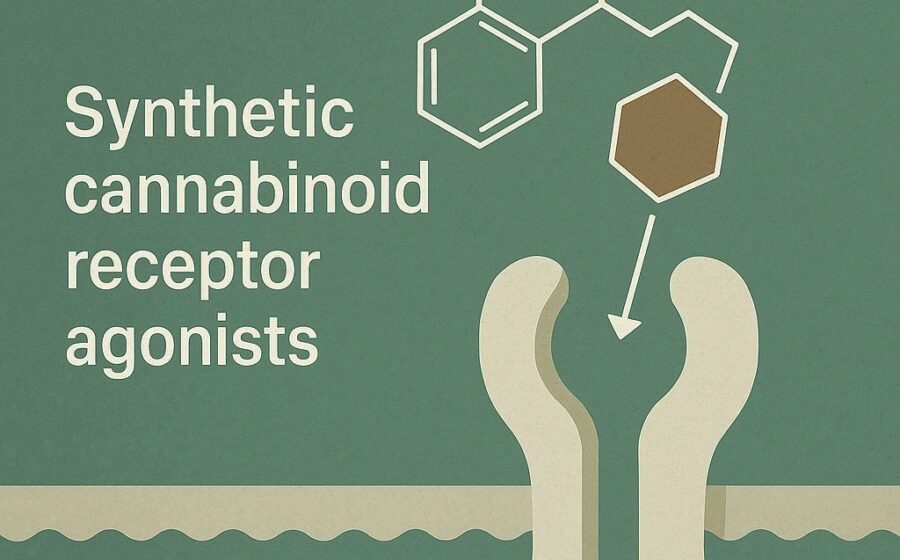
Mechoulam: Anti-Biofilm Activity of CBD Against Candida Albicans
World renowned cannabinoid medicine guru Raphael Mechoulam and a team from Hebrew University's Biofilm Research Laboratory in Israel released a study just completed in February on how Cannabidiol...
 admin
4 min read
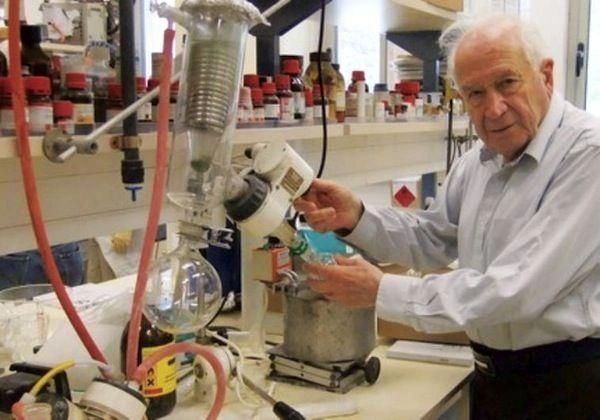
World renowned cannabinoid medicine guru Raphael Mechoulam and a team from Hebrew University's Biofilm Research Laboratory in Israel released a study just completed in February on how Cannabidiol fights fungal infections – specifically Candida or yeast infections. But they went much further, the researchers stated in findings, CBD was shown to induce death of acute lymphoblastic leukemia cells via a mode of action that targeted mitochondrial dysfunction, oxidative stress, and altering calcium homeostasis.
Studies have shown that up to 50% of infection deaths were caused by a type of fungus – including C. Albicans. It can progress to the point where it is in the bloodstream – then it's referred to as Candida sepsis. At that point it's difficult to gain footing on the treatment – recovery is only probable at best. The death rate from disseminated Candidiasis is nearly 70% making the necessity for this work far beyond that of a simple rash or yeast infection.
The researchers, led by the godfather of cannabinoid medicine Mechoulam who discovered the Endocannabinoid System, found that CBD exerted such strength that it has a heavy chance of competing in the pharmaceutical arena. Of course much more research must be done but without a doubt the biofilm bacteria that can share nutrients and are sheltered by the host infection were greatly effected by Cannabidiol – so much that they found cause to investigate in an upcoming study.
Fungal infections began to emerge as a significant problem among cancer patients quite some time ago as well with other diseases as advances in medicines allowed the population of immunocompromised patients to survive for prolonged periods in comparison to the past. This alone has brought about awareness to the necessity to find novel treatments for this health issue that can become far more than just a nuisance.
When too much yeast grows on your skin or other areas, it can cause an infection called candidiasis. The same yeast found on the skin in many cases is problematic in the intestines – but is most often to known to occur in women in the vagina and can lead to serious health issues far beyond an infection.
Let's read the abstract, we can't publish the entire study but the GCRC does have it in our library for further reference.
Anti-Biofilm Activity of Cannabidiol against Candida albicans
Mark Feldman Ronit Vogt Sionov Raphael Mechoulam Doron Steinberg
Biofilm Research Laboratory, Faculty of Dental Medicine, Institute of Dental Sciences, The Hebrew University of Jerusalem, Jerusalem 9112002, Israel
Medicinal Chemistry Laboratory, The Institute for Drug Research, School of Pharmacy, Faculty of Medicine, The Hebrew University of Jerusalem, Jerusalem 9112002, Israel
Microorganisms 2021, 9(2), 441; https://doi.org/10.3390/microorganisms9020441
Received: 15 January 2021 / Revised: 11 February 2021 / Accepted: 16 February 2021 / Published: 20 February 2021
(This article belongs to the Special Issue Fungal and Polymicrobial Biofilms)
Abstract
Candida albicans is a common fungal pathogen in humans. Biofilm formation is an important virulence factor of C. albicans infections. We investigated the ability of the plant-derived cannabidiol (CBD) to inhibit the formation and removal of fungal biofilms. Further, we evaluated its mode of action. Our findings demonstrate that CBD exerts pronounced time-dependent inhibitory effects on biofilm formation as well as disruption of mature biofilm at a concentration range below minimal inhibitory and fungicidal concentrations. CBD acts at several levels. It modifies the architecture of fungal biofilm by reducing its thickness and exopolysaccharide (EPS) production accompanied by downregulation of genes involved in EPS synthesis. It alters the fungal morphology that correlated with upregulation of yeast-associated genes and downregulation of hyphae-specific genes. Importantly, it represses the expression of C. albicans virulence-associated genes. In addition, CBD increases ROS production, reduces the intracellular ATP levels, induces mitochondrial membrane hyperpolarization, modifies the cell wall, and increases the plasma membrane permeability. In conclusion, we propose that CBD exerts its activity towards C. albicans biofilm through a multi-target mode of action, which differs from common antimycotic agents, and thus can be explored for further development as an alternative treatment against fungal infections. View Full-Text
Thank you for visiting the GCRC Global Cannabinoid Research Center website!
–Mike Robinson, Founder – Global Cannabinoid Research Center
This article is educational commentary from GCRC. It is not a report of study findings and is not medical advice. Speak with a qualified healthcare professional about your own health.