Mechoulam: Regulation of Dopamine D2 via CB1 in Schizophrenia
The famed Professor Raphael Mechoulam released research on Schizophrenia early last month with a team that included researchers from Tel Aviv, Italy, Czech Republic, Germany, Sweden, and all the way...
 admin
4 min read
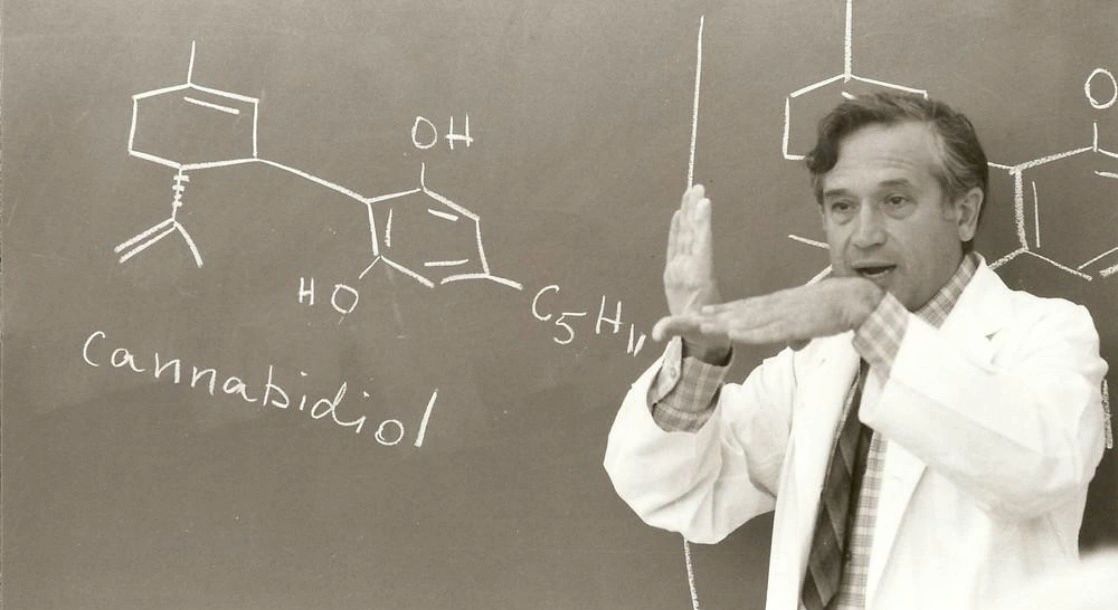
The famed Professor Raphael Mechoulam released research on Schizophrenia early last month with a team that included researchers from Tel Aviv, Italy, Czech Republic, Germany, Sweden, and all the way to California. The "Crosstalk' paper on the effects of perinatal THC exposed rats who were given cannabidiol (CBD) to mitigate the effects – assessing them from adulthood back to neonatal behavior researchers found that they all possessed lower than adequate amounts of endocannabinoids.
The theory that THC can worsen the effects of Schizophrenia is the basis for the use of the exposed rats. By utilizing the subjects that had been exposed before birth and after, and then administering cannabidiol, the researchers were able to see the significance and ability for the cannabinoid to effect dopamine receptors in a very positive way that could lead to promising new medical breakthroughs for patients with this disorder.
The breakthrough in this research has much to do with the discovery that DRD2 gene methylation (an increase) occurred when CBD was administered. DNA methylation is a biological process by which methyl groups are added to the DNA molecule. Methylation can change the activity of a DNA segment without changing the sequence. DRD2 is altered in those with Schizophrenia, findings such as this give us the potential of a targeted pharmacogenomic approach to the prevention and treatment of mental health issues.
Dopamine is a catecholamine neurotransmitter that mediates physiological functions in both the central and peripheral nervous system by interacting with dopamine cell surface receptors. Dopamine receptors are metabotropic G-protein coupled receptors (GPCRS) that are classified into D1-like and D2-like receptors based upon their biochemical, pharmacological and physiological effects.
The conclusion of the research swayed a bit off of the subject matter – but this is a 'cross talk' research paper. The researchers came to a finding that the use of CBD will counter the psychoactive effects of THC. Of course this isn't news to any of us but what is beyond fascinating is the mechanics of how. Through the release of proteins that cause receptors much like a cannabinoid receptor to be antagonized, the system comes into balance which alleviates the patient from the severity of the diagnosis. Or in their final findings – from the severity of using too much THC.
This is a very close parallel to the mental state of an individual who is paranoid and anxious from overusing THC, or even using it at all if they have no tolerance, to that of an individual with a mental health diagnosis. For this reason the researchers chose to study Schizophrenia in this manner.
You can read the entire study on Pub Med here – it's extensive.
Abstract
Perinatal exposure to Δ9-tetrahydrocannabinol (THC) affects brain development and might increase the incidence of psychopathology later in life, which seems to be related to a dysregulation of endocannabinoid and/or dopaminergic systems. We here evaluated the transcriptional regulation of the genes encoding for the cannabinoid CB1 receptor (Cnr1) and the dopamine D2 receptor (Drd2) in perinatal THC-(pTHC) exposed male rats, focusing on the role of DNA methylation analyzed by pyrosequencing. Simultaneously, the molecular and behavioral abnormalities at two different time points (i.e., neonatal age and adulthood) and the potential preventive effect of peripubertal treatment with cannabidiol, a non-euphoric component of Cannabis, were assessed. The DRD2 methylation was also evaluated in a cohort of subjects with schizophrenia.
We observed an increase in both Cnr1 and Drd2 mRNA levels selectively in the prefrontal cortex of adult pTHC-exposed rats with a consistent reduction in DNA methylation at the Drd2 regulatory region, paralleled by social withdrawal and cognitive impairment which were reversed by cannabidiol treatment. These adult abnormalities were preceded at neonatal age by delayed appearance of neonatal reflexes, higher Drd2 mRNA and lower 2-arachidonoylglycerol (2-AG) brain levels, which persisted till adulthood. Alterations of the epigenetic mark for DRD2 were also found in subjects with schizophrenia. Overall, reported data add further evidence to the dopamine-cannabinoid interaction in terms of DRD2 and CNR1 dysregulation which could be implicated in the pathogenesis of schizophrenia spectrum disorders, suggesting that cannabidiol treatment may normalize pTHC-induced psychopathology by modulating the altered dopaminergic activity.
We learn something new everyday in the world of cannabinoid medicine – but today the lesson isn't about the plant – it's about protection.
–Mike Robinson, Founder – Global Cannabinoid Research Center / GCRC Publications
This article is educational commentary from GCRC. It is not a report of study findings and is not medical advice. Speak with a qualified healthcare professional about your own health.