
Mechoulam: “Anandamide prevents the adhesion of Candida”
Once again Professor Raphael Mechoulam stuns us with his fabulous research. In the August 2020 published study "Anandamide prevents the adhesion of filamentous Candida albicans to cervical epithelial...
 Mike Robinson
8 min read
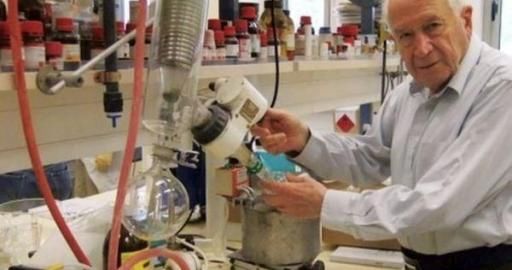
Once again Professor Raphael Mechoulam stuns us with his fabulous research. In the August 2020 published study "Anandamide prevents the adhesion of filamentous Candida albicans to cervical epithelial cells" the famed Tel Aviv researcher known as the father of modern day cannabinoid medicine delves deep into the abilities of endocannabinoids and their function to stop the spread of what many know as yeast infections. Candidiasis will generally effect female reproductive organs,the oral cavity of either gender, or the gut/intestines of an individual – but this health issue doesn't always stop there.
In the study, Professor Mechoulam demonstrates the abilities of these endocannabinoids to stop adherence of the candida to the cervical epithelial cells – proving that the Endocannabinoid system is responsible for much more than many would ever believe. In many research studies as well as in anecdotal experiences we're noting the ability of the plants cannabinoids to increase endocannabinoid activity as well as receptor growth to allow for incredible gains in both knowledge and health.
This research opens the door to more in relation to Candida – especially in the world of Autism. Theoretically when Mechoulam's research is applied to the balance of probiotics and yeast (micro-organisms found in the gut and intestines) – there could be a high possibility that the endocannabinoid system could also modulate the occurance of Candida within this population and offset the often seen 'leaky gut syndrome' especially found in Autistic Children.
Often parents of children on the Autism Spectrum will utilize a gluten and casein (dairy) free diet to stop the growth of candida. In reviewing the Professors study there's a powerful discussion that bears heavy weight on the theory of the GCRC in regards to Autism, Candida, and the modulation of such within the ECS (Endocannabinoid System)
The research teams concentration in this study was on endocannabinoids having an inhibitory effect – and when the full study is read part of this is due to the concentration of cannabinoid receptors within the area of women where epithelial cell death would cause a cling to the cervix – within his study he found that the powerful system within our body produces endorphins that do, without a doubt, inhibit the attachment of Candida and combats both severe and mild Candidiasis.
Here's the awesome work of this next level research team – click on the link to read the full open access article/study:
Anandamide prevents the adhesion of filamentous Candida albicans to cervical epithelial cells
Ronit Vogt Sionov, Mark Feldman, Reem Smoum, Raphael Mechoulam & Doron Steinberg
Reprinted Open Article from:
Scientific Reports volume 10, Article number: 13728 (2020) Cite this article
Abstract
Candidiasis is a fungal infection caused by Candida species that have formed a biofilm on epithelial linings of the body. The most frequently affected areas include the vagina, oral cavity and the intestine. In severe cases, the fungi penetrate the epithelium and cause systemic infections. One approach to combat candidiasis is to prevent the adhesion of the fungal hyphae to the epithelium. Here we demonstrate that the endocannabinoid anandamide (AEA) and the endocannabinoid-like N-arachidonoyl serine (AraS) strongly prevent the adherence of C. albicans hyphae to cervical epithelial cells, while the endocannabinoid 2-arachidonoylglycerol (2-AG) has only a minor inhibitory effect. In addition, we observed that both AEA and AraS prevent the yeast-hypha transition and perturb hyphal growth. Real-time PCR analysis showed that AEA represses the expression of the HWP1 and ALS3 adhesins involved in Candida adhesion to epithelial cells and the HGC1, RAS1, EFG1 and ZAP1 regulators of hyphal morphogenesis and cell adherence. On the other hand, AEA increased the expression of NRG1, a transcriptional repressor of filamentous growth. Altogether, our data show that AEA and AraS have potential anti-fungal activities by inhibiting hyphal growth and preventing hyphal adherence to epithelial cells.
Introduction
Candida albicans is a common commensal organism in the genitourinary tracts, the intestine and the oral cavity, but can also be pathogenic causing infections by invading and damaging epithelial cells, a condition called candidiasis. In addition, C. albicans can cause life-threatening systemic infections by penetrating through the epithelial barriers1. C. albicans is a dimorphic fungus that can transform from budding yeast form cells at room temperature to invasive filamentous hyphae at 37 °C, a process vital to pathogenesis2. This transition is tightly regulated. The mitogen-activated protein kinase Mkc1 that is activated upon physical contact, is required for invasive hyphal growth and normal biofilm development3. The transcription factor Czf1 controls the contact-dependent invasive filamentation4. Other gene products regulating filamentous growth include the transcriptional regulators Cph1, Ume6, Bcr1, Tec1 and Efg15. Hyphal growth is characterized by the expression of different genes, some of which are involved in adhesion.
Biofilm formation by C. albicans is characterized by four major phases: adherence of yeast cells to a surface; initiation of biofilm formation where the hyphae are formed; maturation into complex, structured biofilm in which the fungi are embedded in an extracellular matrix; and dispersion of yeast cells from the biofilm to initiate biofilms at other sites5. The dispersion from biofilms may lead to systemic infections in the bloodstream and dissemination into other tissues. More than 50 interconnected transcriptional regulators are involved in regulating biofilm formation5. Initial attachment of C. albicans to a surface appears to involve the glycosylphosphatidylinositol (GPI)-linked cell wall protein Eap1 and the agglutinin-like protein Als16. The agglutinin-like protein Als3 and the hyphal-specific wall protein-1 gene product Hwp1 function as complementary adhesins involved in cell–cell and cell-surface interactions of hyphae2,6. Als3 was found to bind N-Cadherin on endothelial cells and E-Cadherin on epithelial cells7. Strains defective in ALS3 can form mycelium normally, but are defective in biofilm formation8. HWP1 encodes a cell wall mannose protein essential for normal growth of the mycelium2. HWP1 mutant strains could not stably adhere to the epithelial mucosal cells and were more easily engulfed and cleaned by the host cells9. ALS3, HWP1, HGC1 and ECE1 are upregulated in hyphae2. Hyphal G cyclin 1 (Hgc1) is involved in regulating mycelial growth and represses cell separation from hyphae2. ECE1 encodes for candidalysin, a peptide toxin that activates epithelial cells10 and leads to cytolysis of mononuclear phagocytes11, and as such is considered to be a virulence factor. EED1 and PGA34 are dispensable for epithelial invasion, but essential for damage of epithelial cells12.
One approach to prevent systemic candidiasis is to prevent the adherence of the filamentous fungi to epithelial cells. Here we have studied the ability of the endocannabinoids anandamide (N-arachidonoylethanolamine; AEA) and 2-arachidonoylglycerol (2-AG), and the endocannabinoid-like compound N-arachidonoyl serine (AraS) to prevent the interaction between C. albicans hyphae and the epithelial cells. Endocannabinoids are endogenous bioactive lipids derived from arachidonic acid which is produced by hydrolysis of membrane phospholipids13. The endocannabinoid system affects multiple functions including feeding, pain, learning and memory14. In addition, AEA has been shown to exert anti-inflammatory activities attenuating the development of inflammation in a mouse model of ulcerative colitis15. In human and rodents, AEA acts as an endogenous agonist of the cannabinoid CB1 and CB2 receptors, and can also activate the vanilloid receptor TRPV1 resulting in transient calcium influx16,17. Also 2-AG may act on other receptors besides CB1 and CB2, including GABAA, PPARγ, TRPV1 and GPR5518. AraS binds weakly to the CB1, CB2 and TRPV1 receptors17, but seems to act on GRP55 to stimulate angiogenesis and endothelial wound healing19.
We have previously shown that both AEA and AraS reduce biofilm formation of methicillin-resistant S. aureus (MRSA)20 and sensitize MRSA to antibiotics21. Both compounds reduced the metabolic activity and spreading ability of these bacteria20. So far, endocannabinoids have not been tested for their activity on Candida, and the aim of the present research was to study this issue. We show here that treatment of C. albicans with either AEA or AraS strongly reduced the interaction between C. albicans hyphae and cervical epithelial cells. In addition, we observed that AEA and AraS prevented yeast-hypha transition and the growth of preformed hyphae. Gene expression studies showed down-regulation of the adhesins HWP1 and ALS3, the transcriptional regulators EFG1 and ZAP1, and the hyphal morphogenesis regulators HGC1 and RAS1. On the other hand, NRG1, a repressor of filamentous growth, was upregulated.
Results
Anandamide and N-arachidonoyl serine prevent the yeast-hypha transition of Candida albicans:
It is well known that the virulence of Candida depends on its transition from the yeast form to filamentous hyphae2. It was therefore important to study the effect of the endocannabinoids anandamide (AEA) and 2-arachidonoylglycerol (2-AG), and the endocannabinoid-like N-arachidonoyl serine (AraS) on this transition. To this end, we exposed GFP-expressing Candida albicans in the yeast form to various concentrations of AEA, AraS and 2-AG and incubated them for 4 h at 37 °C, a condition resulting in the transition to hyphae. Most of the fungi have transformed to filamentous hyphae in the control and in the fungi exposed to 10 μg/ml AEA (Fig. 1a–d). In samples treated with 50 μg/ml AEA, most of the fungi had transformed to hyphae, but also several fungi in yeast form and fungi with short hyphae were seen (Fig. 1e–f). However, almost no transformation to hyphae was observed in Candida exposed to 125 and 250 μg/ml AEA (Fig. 1g–j), indicating that AEA at these concentrations prevents the yeast-hypha transition. Similarly, AraS strongly inhibited yeast-hypha transition at 125 and 250 μg/ml, with partial inhibitory effect at 50 μg/ml (Suppl. Figure 1). 2-AG had no significant effect on the yeast-hypha transition (data not shown). When looking at the vegetative growth of C. albicans in the yeast form, a delay in the growth was observed in the presence of higher concentrations of AEA, AraS and 2-AG (Suppl. Figure 2).
You can also look here on ResearchGate
———–
This article is educational commentary from GCRC. It is not a report of study findings and is not medical advice. Speak with a qualified healthcare professional about your own health.