Why Cannabis THC Doesn’t Relieve Pain the Same Way in Men and Women
 Mike Robinson
Updated
Two people can use the same Cannabis product, take the same amount of THC, and experience completely different levels of pain relief. One may find remarkable relief while the other experiences very little. We’ve spent years looking at cannabinoid ratios, dosing, tolerance, and individual differences in the Endocannabinoid System (ECS). Another piece of the puzzle deserves a much closer look: our hormones.
A 2026 doctoral dissertation titled “Sex-Dependent Modulation of the Endocannabinoid System in Pain Processing,” from Utah State University, examines how biological sex, estrogen, testosterone, and immune responses influence the body’s reaction to cannabinoids. The research provides compelling preclinical evidence that the hormonal environment can change cannabinoid activity within the brain and influence its ability to reduce pain. [1]
For those of us studying ECS Balance Control, this opens up an important conversation. We’re not simply introducing cannabinoids into the human body. We’re introducing them into an active biological system that’s already being influenced by hormones, inflammation, neurological activity, and the cannabinoids we produce ourselves.
When Hormones Change the Way THC Works
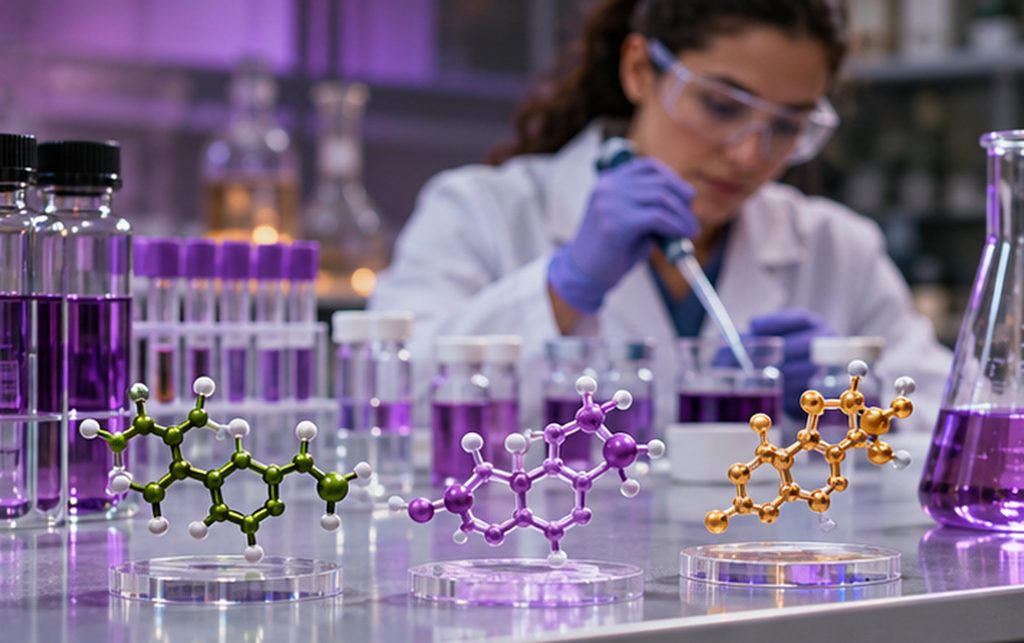
The dissertation explored three major areas of research using animal models. The first examined how removing gonadal hormones changed the brain’s response to THC. The second investigated how testosterone and estrogen influenced cannabinoid-induced pain reduction, while the third examined how injury affected cannabinoid receptor gene expression in the brain’s immune cells.
The findings were particularly interesting because the hormonal effects weren’t identical between males and females. Testosterone reduced cannabinoid analgesic efficacy in female mice, while estrogens reduced efficacy in male mice. Researchers also observed differences in how THC affected various brain regions depending on biological sex and whether gonadal hormones had been depleted. [1]
That’s an important distinction. We can’t simply conclude that testosterone reduces cannabinoid pain relief or that estrogen increases it. The biological environment in which these hormones operate appears to matter considerably.
Previous research supports this complexity. A 2017 study, “Gonadal hormone modulation of Δ9-tetrahydrocannabinol-induced antinociception and metabolism in female versus male rats,” examined how reproductive hormones influence THC activity and metabolism. Earlier animal research also demonstrated that sensitivity to THC can fluctuate across the female reproductive cycle. [2,3]
These studies introduce another consideration: hormones may influence both how the body processes cannabinoids and how the nervous system responds to them. What we’re learning isn’t that one sex necessarily responds better to Cannabis. We’re learning that cannabinoid pharmacology is more individualized than we’ve historically understood.
The Endocannabinoid System Has Its Own Hormonal Environment
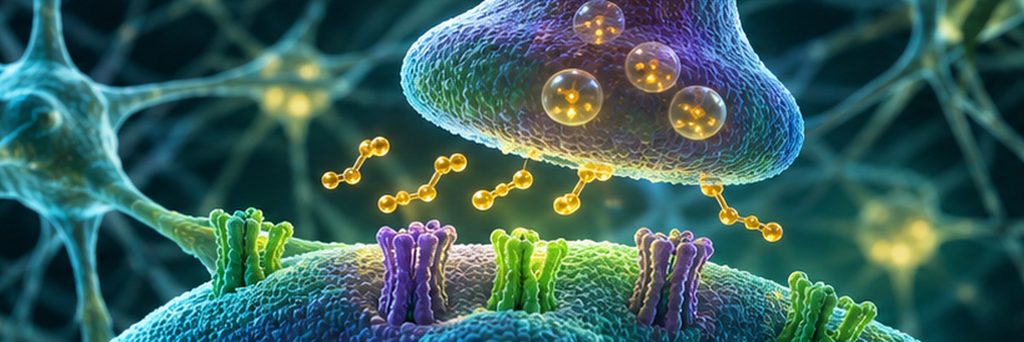
Anandamide (AEA) and 2-arachidonoylglycerol (2-AG) are cannabinoids produced within our own bodies. They help regulate communication between cells, including those involved in pain perception, inflammation, stress responses, and neurological function.
CB1 receptors are particularly important in the nervous system, where cannabinoid signaling can influence neurotransmitter release. CB2 receptors are closely associated with immune regulation, although they’re also found in other tissues and can participate in nervous system signaling.
THC activates both receptors as a partial agonist, meaning it stimulates them without necessarily producing the maximum response possible. However, its effects depend on the surrounding biological environment, including receptor availability and the signaling machinery within cells.
A 2006 study measuring cannabinoid-related lipid molecules in rat brains identified differences between males and females, as well as changes across the female reproductive cycle. Anandamide, 2-AG, and other signaling lipids varied by brain region. [4]
Human research provides an interesting connection. A 2010 study examining circulating anandamide throughout the menstrual cycle found that anandamide levels peaked around ovulation and were positively associated with estradiol and certain reproductive hormones. [5]
This doesn’t establish that higher circulating anandamide automatically means better pain relief, but it demonstrates that hormonal changes and endocannabinoid signaling are connected in humans. It’s also important to recognize that blood concentrations of endocannabinoids don’t necessarily reflect what’s happening inside the brain, spinal cord, or individual tissues.
From an ECS Balance Control perspective, this reinforces why we need to look beyond how much THC someone consumes. The body’s own cannabinoid production, receptor activity, and hormonal environment may all influence the response to Cannabis.
Pain, Inflammation, and the Brain’s Immune Cells
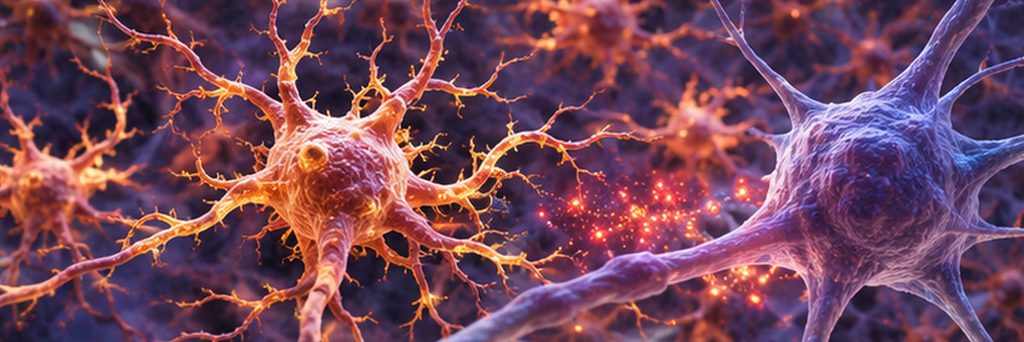
One of the most interesting findings in the 2026 dissertation involved injury and the brain’s immune cells. Following injury, researchers observed a change in cannabinoid receptor gene expression in female mice that wasn’t detected in males under the same experimental conditions. [1]
This suggests that biological sex may influence how the nervous system’s immune environment responds to injury through ECS-related mechanisms. Microglia, the resident immune cells of the central nervous system, respond to injury, cellular stress, and inflammatory signals. Their activity can influence how pain pathways function, particularly when neurological injury or persistent inflammation is involved.
When pain becomes chronic, it’s often more complicated than an original injury sending a signal to the brain. The nervous system can become increasingly sensitive, and immune signaling may contribute to pain persisting long after the initial damage.
Cannabinoid receptors participate in these communication networks, making the relationship between the ECS and neuroimmune signaling an important area of pain research. However, a change in receptor gene expression doesn’t automatically mean there’s a corresponding change in functional receptor numbers, nor does it demonstrate better pain relief. Those are separate questions that require additional investigation.
This is where I’d like to see research expand beyond THC.
CBD, CBG, CBGa, CBDa, and other plant cannabinoids deserve investigation within these same hormonal and neuroimmune environments. Their pharmacological activities aren’t identical to THC, and it would be valuable to understand whether their effects on inflammation and pain-related signaling also differ according to biological sex and hormone status.

Individualized Cannabinoid Medicine Starts With the Individual
Human research reminds us that translating animal findings into clinical practice isn’t always straightforward. A 2016 controlled laboratory study titled “Sex-Dependent Effects of Cannabis-Induced Analgesia” found that smoked Cannabis produced greater pain reduction in men than women on certain measures of experimental cold-induced pain. This differs from findings in several rodent experiments where females demonstrated greater sensitivity to THC-induced antinociception. [6]
The difference matters because experimental pain, chronic pain, cannabinoid administration methods, hormone status, and previous Cannabis exposure aren’t interchangeable.
A 2025 systematic review from the Agency for Healthcare Research and Quality found that certain THC-containing products provided modest short-term improvements in chronic pain, primarily neuropathic pain. However, adverse effects such as dizziness, sedation, and nausea were more common, and the available evidence didn’t establish meaningful benefits from purified oral CBD alone for chronic pain. [7]
The clinical reality is that cannabinoid medicine isn’t a one-size-fits-all proposition. Future research needs to examine reproductive hormone concentrations, menstrual cycle changes, menopause, aging, testosterone levels, cannabinoid tolerance, and differences in pain mechanisms alongside the individual cannabinoids being administered.
These factors shouldn’t be used to assume that someone needs more THC or that altering hormone levels will improve their response to Cannabis. We don’t have the clinical evidence to make those recommendations.
This dissertation adds another reason to look at the individual rather than only the product. The ECS doesn’t operate in a vacuum, and neither does the Cannabis we introduce into it. If hormones can influence how cannabinoids work, and injury can alter cannabinoid-related signaling differently between the sexes, then understanding the person receiving those cannabinoids becomes increasingly important.
That’s the direction cannabinoid medicine needs to move – away from treating every Endocannabinoid System as though it’s identical and toward understanding the biological environment we’re working with.
Global Cannabinoid Research Center
References:
1.) Lauer A. (2026). Sex-Dependent Modulation of the Endocannabinoid System in Pain Processing. Doctoral dissertation, Utah State University. All Graduate Theses and Dissertations, 959. Repository lists an award date of December 2026.
https://digitalcommons.usu.edu/etd2023/959
2.) Craft RM, Haas AE, Wiley JL, Yu Z, Clowers BH. (2017). Gonadal hormone modulation of Δ9-tetrahydrocannabinol-induced antinociception and metabolism in female versus male rats. Pharmacology Biochemistry and Behavior, 152, 36-43.
https://pmc.ncbi.nlm.nih.gov/articles/PMC5195865
3.) Cooper ZD, Craft RM. (2018). Sex-Dependent Effects of Cannabis and Cannabinoids: A Translational Perspective. Neuropsychopharmacology, 43, 34-51.
https://pmc.ncbi.nlm.nih.gov/articles/PMC5719093
4.) Bradshaw HB, Rimmerman N, Krey JF, Walker JM. (2006). Sex and hormonal cycle differences in rat brain levels of pain-related cannabimimetic lipid mediators. American Journal of Physiology, 291, R349-R358.
https://doi.org/10.1152/ajpregu.00933.2005
5.) El-Talatini MR, Taylor AH, Konje JC. (2010). The relationship between plasma levels of the endocannabinoid, anandamide, sex steroids, and gonadotrophins during the menstrual cycle. Fertility and Sterility, 93, 1989-1996.
https://doi.org/10.1016/j.fertnstert.2008.12.033
6.) Cooper ZD, Haney M. (2016). Sex-Dependent Effects of Cannabis-Induced Analgesia. Drug and Alcohol Dependence, 167, 112-120.
https://pmc.ncbi.nlm.nih.gov/articles/PMC5037015
7.) Chou R, et al. (2025). Living Systematic Review on Cannabis and Other Plant-Based Treatments for Chronic Pain: 2025 Update. Agency for Healthcare Research and Quality. Comparative Effectiveness Review No. 250.
This article is educational commentary from GCRC. It is not a report of study findings and is not medical advice. Speak with a qualified healthcare professional about your own health.