New Research ECS rescues synaptic plasticity after binge drinking
A team from the department of Neuroscience in Spain published research only days ago on July 16 concluded than an enriched endocannabinoid environment addresses the serious issue of binge drinking....
 admin
3 min read
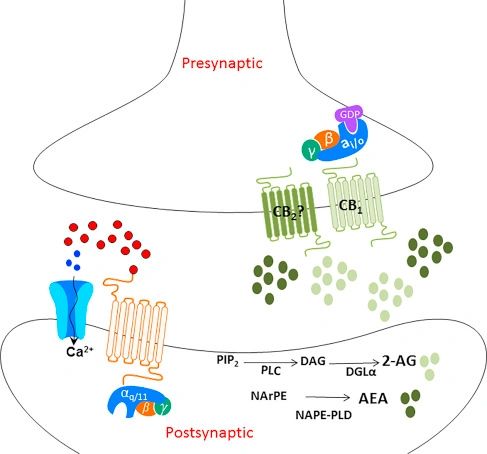
A team from the department of Neuroscience in Spain published research only days ago on July 16 concluded than an enriched endocannabinoid environment addresses the serious issue of binge drinking. Researchers found the endocannabinoid 2-arachydonoyl-glycerol (2-AG) repairs both synaptic plasticity and memory in those who consumed excessive alcohol. 2-AG is a molecule produced by our complex Endocannabinoid system (ECS) and enhanced by the intake of plant constituent and other natural means. It's known as an eicosanoid – these play a complex and important role in various bodily processes including immunity and inflammation.
The team performed their studies on rodent models and found that ischemic activity or stroke due to binge drinking was dramatically reduced by the 2-AG enriched environment. Their study found that excessive alcohol intake dysregulates the ECS and that endocannabinoids are pivotal in wrestling this issue. It's important to note that this research is about the ECS and it's functions and not that of the ingestion or inhalation of plant cannabinoids to offset injury from alcohol intake.
In the United States, research shows this type of drinking to be the most deadly there is from auto wreck fatalities to alcohol poisoning. Research studies indicate this type of drinking behavior injures neurotransmitters which was the cause for investigation in how to repair them. The team stated that it's a serious problem in Spain and cause of severe toxic effects on maturing brains that leads to long-lasting neuropsychological alterations.
Researchers focused on the cannabinoid receptor CB1 activity and a group of metabotropic glutamate receptors causing the ECS to engage and stop injury to the brain – the endocannabinoid Anandamide plays a role in this as well as the TRPV-1 receptor. An orchestrated series of events occurred with the ECS enriched environment that hindered the ability for the ethanol poisoned subjects to suffer various neurological occurrences and provided multisensory stimulation that increased neurotrophic factors.
In conclusion the team from Spain found that the role of the ECS or how it rescues memory impairment is not yet well understood but stated that moderate alcohol intake during the critical adolescent period of brain development is sufficient to promote long lasting ECS-dependent changes in hippocampal plasticity and cognition. As well they found the enriched ECS protects against neuronal and cognitive damage, reduces recurrent drinking, and recovers different memory forms lost from it as well as motor coordination.
Cannabis use, in it's various forms, is the subject matter of an influx of research of which a vast majority is extremely positive and suggestive of it's use to mitigate damage to our body and brain from patterns of the past. Plant medicine use is on a continual increase as consumers become aware of studies of this nature and the ability of the cannabis and hemp plant to induce positive outcomes in healthcare.
Here's the research:
Environmental Enrichment Rescues Endocannabinoid-Dependent Synaptic Plasticity Lost in Young Adult Male Mice after Ethanol Exposure during Adolescence
Department of Neurosciences, Faculty of Medicine and Nursing, University of the Basque Country UPV/EHU, 48940 Leioa, Spain
Academic Editors: Estela Castilla Ortega and Antonia Serrano
Biomedicines 2021, 9(7), 825; https://doi.org/10.3390/biomedicines9070825
Received: 27 May 2021 / Revised: 3 July 2021 / Accepted: 12 July 2021 / Published: 16 July 2021
(This article belongs to the Special Issue Biological Aspects of Drug Addiction)
Thank you for visiting the GCRC Blog,
–Mike Robinson, Founder – Global Cannabinoid Research Center
This article is educational commentary from GCRC. It is not a report of study findings and is not medical advice. Speak with a qualified healthcare professional about your own health.