
Legalizing Cannabinoids: A Dual-Path Regulatory Framework
In an intriguing publication just released, Rob Dhoble the managing director of Havas ECS in New York, the layout of a dual path regulatory framework was laid out for us to review. In consideration...
 Mike Robinson
3 min read
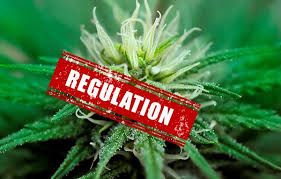
In an intriguing publication just released, Rob Dhoble the managing director of Havas ECS in New York, the layout of a dual path regulatory framework was laid out for us to review. In consideration of how the federal government could or would legalize cannabis, many feel the only way not to simply end prohibition would be to have such a dual path of regulations – one for the pharmaceutical industry and one for the consumer based retail market.
Let's jump right into the differences – the entire publication is below in an easy to read link. There's two routes heavily suggested – the Prescription Cannabinoid Path and the Non Prescription – giving two distinct sets of regulation to be followed. When considering what type of legal framework would be necessary to legalize cannabis on the federal level vs. simply ending prohibition and letting states fend for themselves – this multi-path route would be the only feasible way to allow continued consumer sales while also allowing the pharmaceutical industry to flourish – neither would gain advantage nor take a heavy negative impact in this interesting well thought out article.
The author states that this type of framework would expand access to both prescription and non prescription cannabionoid medicine while putting into place federal guidelines to ensure quality. One of the biggest issues within the emerging industry is the lack of reasonable (or any) guidelines that make it 100% legal to properly market neutraceuticals made with the plant's extracts. For consumers the lack of non prescription regulations on both CBD and all cannabinoid medicines allow states a 'free for all' if you will in creating their own regulations. This would be acceptable in most cases – but when considering products that are gained for use for health purposes having no standardized regulations creates a situation in which from state to state a product could be legal – or not – all based on differing state laws.
As much as many are against regulations on the federal level as well as the legalization on the national level – it's something that likely could be inevitable. In the event of this having a dual regulatory system would be vital to allow access to continue to consumers while also streamlining the process to make quality pharmaceuticals with cannabis or hemp.
"A dual path regulatory framework is needed to support the (standard of care) in order to ensure patient safety, product quality, and market access." – Rob Dhoble
You can read Rob's entire write-up here on the American Journal of Endocannabinoid Medicine website. Please make contact if you're interested in gaining certification via the AJEM University's extensive testing – The Global Cannabinoid Research center is here to help both clinicians and non medical professionals maneuver through those testing procedures.
Thank you for visiting the Global Cannabinoid Research Center website,
Mike Robinson, Founder
This article is educational commentary from GCRC. It is not a report of study findings and is not medical advice. Speak with a qualified healthcare professional about your own health.