Effects of Psilocybin-Assisted Therapy: Major Depressive Disorder
In a collaborative of multiple Universities led by John Hopkins, conclusive research was published only days ago on November 4th regarding the use of Psilocybin assisted therapy in the treatment of...
 Mike Robinson
13 min read
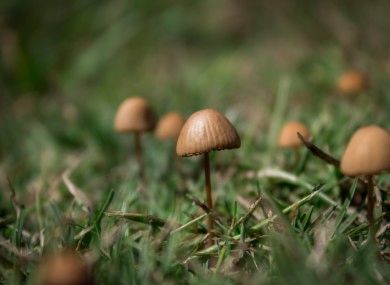
In a collaborative of multiple Universities led by John Hopkins, conclusive research was published only days ago on November 4th regarding the use of Psilocybin assisted therapy in the treatment of major depressive disorder. This recent randomized clinical trial found that patients in a clinical setting receiving psilocybin-assisted therapy found it to produce a "large, rapid, and sustained antidepressant effect: in the patients with this debilitating mental health issue that often is the cause of secondary physical illness.
While this type of therapy causing an outcome such as this would be news to many, the subculture that's dived into the fun of the fungi or the extract of it, it's no news at all. In this recently completed randomized clinical trial of 24 participants – all suffering from major depressive disorder – the participants who received immediate psilocybin-assisted therapy showed substantial improvement over their counterparts in the study that did not. From P.T.S.D. patients to people cooped up and anxious in the pandemic, there's a very big increase in the consumption of Psilocybin and the word of the people is that with no doubt they're gaining extreme benefits that no pharmaceutical can deliver – and without addiction.
In a one month follow up the study was quantified further with self-reported secondary outcomes. The use of these intense natural constituents has been going on for so many thousands of years there's no way to truly tell. Dating back to the Mayans and other lost civilizations these were no 'therapy' – they were a ritualistic way of life. The vast majority of patients using this type of therapy are reporting that it's not a consistent one – nor is it at all necessary for them. Some are using small amounts known as micro doses while others will use larger doses for the full experience of the ancient medication that makes me giggle, laugh, and sometimes even cry from it all.
As a researcher my own experience with them is that there's very little way to be depressed when using these in an effective and modest dose. For those that do not want to experience any 'feeling' from them – there's micro dosing which allows for a continual 'reset' without 'resetting life' itself like so many found it necessary to do in 2020 to maintain their mental health. Psychologists are rapidly kicking out their own papers on that issue and what it meant as most that were looking to 'reset life' instead wanted an escape – and many report they found a very healthy one that gave lasting effects after the medicine wears off with Psilocybin.
Maintaining mental health has been the scope of study when it comes to these marvelous and majestic mushrooms.
Effects of Psilocybin-Assisted Therapy on Major Depressive Disorder
A Randomized Clinical Trial
Alan K. Davis, PhD1,2; Frederick S. Barrett, PhD1; Darrick G. May, MD1; et alMary PsilP. Cosimano, MSW1; Nathan D. Sepeda, BS1; Matthew W. Johnson, PhD1; Patrick H. Finan, PhD1; Roland R. Griffiths, PhD1,3Author Affiliations Article Information
1 Center for Psychedelic and Consciousness Research, Department of Psychiatry and Behavioral Sciences, Johns Hopkins School of Medicine, Baltimore, Maryland
2 College of Social Work, The Ohio State University, Columbus
3 Department of Neuroscience, Johns Hopkins School of Medicine, Baltimore, Maryland
JAMA Psychiatry. Published online November 4, 2020 Subscribe to JAMA
Abstract
Importance Major depressive disorder (MDD) is a substantial public health burden, but current treatments have limited effectiveness and adherence. Recent evidence suggests that 1 or 2 administrations of psilocybin with psychological support produces antidepressant effects in patients with cancer and in those with treatment-resistant depression.
Objective To investigate the effect of psilocybin therapy in patients with MDD.
Design, Setting, and Participants This randomized, waiting list–controlled clinical trial was conducted at the Center for Psychedelic and Consciousness Research at Johns Hopkins Bayview Medical Center in Baltimore, Maryland. Adults aged 21 to 75 years with an MDD diagnosis, not currently using antidepressant medications, and without histories of psychotic disorder, serious suicide attempt, or hospitalization were eligible to participate. Enrollment occurred between August 2017 and April 2019, and the 4-week primary outcome assessments were completed in July 2019. A total of 27 participants were randomized to an immediate treatment condition group (n = 15) or delayed treatment condition group (waiting list control condition; n = 12). Data analysis was conducted from July 1, 2019, to July 31, 2020, and included participants who completed the intervention (evaluable population).
Interventions Two psilocybin sessions (session 1: 20 mg/70 kg; session 2: 30 mg/70 kg) were given (administered in opaque gelatin capsules with approximately 100 mL of water) in the context of supportive psychotherapy (approximately 11 hours). Participants were randomized to begin treatment immediately or after an 8-week delay.
Main Outcomes and Measures The primary outcome, depression severity was assessed with the GRID-Hamilton Depression Rating Scale (GRID-HAMD) scores at baseline (score of ≥17 required for enrollment) and weeks 5 and 8 after enrollment for the delayed treatment group, which corresponded to weeks 1 and 4 after the intervention for the immediate treatment group. Secondary outcomes included the Quick Inventory of Depressive Symptomatology-Self Rated (QIDS-SR).
Results Of the randomized participants, 24 of 27 (89%) completed the intervention and the week 1 and week 4 postsession assessments. This population had a mean (SD) age of 39.8 (12.2) years, was composed of 16 women (67%), and had a mean (SD) baseline GRID-HAMD score of 22.8 (3.9). The mean (SD) GRID-HAMD scores at weeks 1 and 4 (8.0 [7.1] and 8.5 [5.7]) in the immediate treatment group were statistically significantly lower than the scores at the comparable time points of weeks 5 and 8 (23.8 [5.4] and 23.5 [6.0]) in the delayed treatment group. The effect sizes were large at week 5 (Cohen d = 2.2; 95% CI, 1.4-3.0; P < .001) and week 8 (Cohen d = 2.6; 95% CI, 1.7-3.6; P < .001). The QIDS-SR documented a rapid decrease in mean (SD) depression score from baseline to day 1 after session 1 (16.7 [3.5] vs 6.3 [4.4]; Cohen d = 3.0; 95% CI, 1.9-4.0; P < .001), which remained statistically significantly reduced through the week 4 follow-up (6.0 [5.7]; Cohen d = 3.1; 95% CI, 1.9-4.2; P < .001). In the overall sample, 16 participants (67%) at week 1 and 17 (71%) at week 4 had a clinically significant response to the intervention (≥50% reduction in GRID-HAMD score), and 14 participants (58%) at week 1 and 13 participants (54%) at week 4 were in remission (≤7 GRID-HAMD score).
Conclusions and Relevance Findings suggest that psilocybin with therapy is efficacious in treating MDD, thus extending the results of previous studies of this intervention in patients with cancer and depression and of a nonrandomized study in patients with treatment-resistant depression.
Trial Registration ClinicalTrials.gov Identifier: NCT03181529
Introduction
Major depressive disorder (MDD) is a substantial public health concern, affecting more than 300 million individuals worldwide. Depression is the number one cause of disability,1 and the relative risk of all-cause mortality for those with depression is 1.7 times greater than the risk for the general public.2 In the United States, approximately 10% of the adult population has been diagnosed with MDD in the past 12 months,3 and the yearly economic burden of MDD is estimated to be $210 billion.4
Although effective pharmacotherapies for depression are available, these drugs have limited efficacy, produce adverse effects, and are associated with patient adherence problems.5 Although many patients with depression showed reduced or remitted symptoms after treatment with existing pharmacotherapies,6 approximately 30% to 50% of patients did not respond fully and as many as 10% to 30% of patients were considered treatment-resistant, resulting in average effects that were only modestly larger than the effects of placebo.7,8
Most of the current pharmacotherapies for MDD, including the widely used selective serotonin reuptake inhibitors, increase levels of brain monoamine neurotransmitters such as serotonin and norepinephrine (typically by blocking reuptake).6 A growing body of evidence suggests that newer ketamine-like medications exert therapeutic efficacy in MDD through effects on glutamate neurotransmission.9,10 Ketamine hydrochloride, a nonselective N-methyl-d-aspartate receptor antagonist, is the most well-researched of these newer medications. Several studies have demonstrated the efficacy of a single ketamine infusion in rapidly (within hours) reducing depression symptoms and, when effective, lasting from a few days to about 2 weeks.10,11 However, ketamine has high abuse liability, and its administration involves moderate physiological risk that requires medical monitoring.12
The combined serotonergic and glutamatergic action of psilocybin13–15 (a classic hallucinogen) and the preliminary evidence of the antidepressant effects of psilocybin-assisted therapy (among patients with life-threatening cancer or patients with treatment-resistant depression)16–18 indicate the potential of psilocybin-assisted therapy as a novel antidepressant intervention.19 Moreover, psilocybin has lower addiction liability and toxic effects compared with ketamine20–22 and is generally not associated with long-term perceptual, cognitive, or neurological dysfunction.23
The substantial negative public health impact of MDD underscores the importance of conducting more research into drugs with rapid and sustained antidepressant effects. Current pharmacotherapies for depression have variable efficacy and unwanted adverse effects. Novel antidepressants with rapid and sustained effects on mood and cognition could represent a breakthrough in the treatment of depression and may potentially improve or save lives. Therefore, the primary objective of this randomized clinical trial was to investigate the effect of psilocybin therapy in patients with MDD.
Method
This randomized, waiting list–controlled clinical trial was conducted at the Center for Psychedelic and Consciousness Research in Baltimore, Maryland. The Johns Hopkins Medicine Institutional Review Board approved this trial (the protocol is included in Supplement 1). Written informed consent was obtained from all participants.
Study Design and Participants
This trial of psilocybin therapy included participants with moderate or severe MDD episodes, as assessed with the Structured Clinical Interview for DSM-5 (SCID-5)24 and the GRID-Hamilton Depression Rating Scale (GRID-HAMD; a score of ≥17 was required for enrollment).25,26 Eligible candidates were aged 21 to 75 years who self-reported no current pharmacotherapy for depression at trial screening. To avoid the confounding effects and potential interactions of concurrent antidepressant use, candidates were required to refrain from using antidepressants (eg, selective serotonin reuptake inhibitors) for at least 5 half-lives before the screening and up to 4 months after enrollment (through the completion of the primary outcome assessment). However, the decision to taper off and/or continuing not to take their medications during the study was made by the individuals and their prescribing physicians and not by study personnel. Additional eligibility requirements included being medically stable with no uncontrolled cardiovascular conditions; having no personal or family history (first or second degree) of psychotic or bipolar disorders; and, for women, being nonpregnant, being non-nursing, and agreeing to use contraception. Individuals with a moderate or severe alcohol or other drug use disorder (including nicotine) in the past year, as defined by Diagnostic and Statistical Manual of Mental Disorders (Fifth Edition) (DSM-5) criteria, were excluded, as were individuals with substantial lifetime use (>10 total) or recent use (past 6 months) of ketamine or classic hallucinogens, such as psilocybin-containing mushrooms or lysergic acid diethylamide (eMethods in Supplement 2).
Participants were enrolled between August 2017 and April 2019, and the 4-week primary outcome assessments were completed in July 2019. Recruitment was carried out through flyers, print advertisements, internet forums, social media, and the study website. Of the 870 individuals screened by telephone or electronic screening survey, 70 went on to undergo in-person medical and psychological screening, 43 were disqualified, and 27 qualified and were enrolled in the study. After screening, baseline assessments, and enrollment, 27 participants were randomized to either the immediate treatment group or the delayed treatment group (ie, the waiting list control condition). The use of a delayed treatment control was chosen to differentiate the psilocybin intervention from spontaneous symptom improvement. The delay interval was 8 weeks, after which participants in the delayed treatment group underwent all study assessments and entered the study intervention period. Randomization to the immediate treatment and delayed treatment groups occurred after screening and baseline assessments (Figure 1). Participants were randomized using urn randomization,27 balancing for sex, age, depression severity at screening (assessed using the GRID-HAMD), and level of treatment resistance (assessed using the Maudsley Staging Method).28 One of us (F.S.B.), who was not involved in participant screening or enrollment, performed urn randomization using the randPack library, version 1.32.0,29 in the R Statistical Software package (R Foundation for Statistical Computing).30
Participants received no monetary compensation for undergoing the intervention. However, participants received a total of $200 for completing 2 magnetic resonance imaging sessions.
Immediate Treatment Condition
The intervention period was 8 weeks and involved at least 18 in-person visits, including 2 daylong psilocybin administration sessions (Figure 2). Consistent with previous studies using psilocybin,16,31 the visit schedule included preparatory meetings (8 hours in total) with 2 session facilitators before the first psilocybin session as well as follow-up meetings after psilocybin sessions (2-3 hours in total) (eMethods in Supplement 2). Session facilitators were study staff with varying educational levels (ie, bachelor’s, master’s, doctorate, and medical degrees) and professional disciplines (eg, social work, psychology, and psychiatry). After the preparation meetings, 2 psilocybin administration sessions were conducted a mean of 1.6 weeks apart (no statistically significant differences were found between conditions; eResults in Supplement 2). The psilocybin dose was moderately high (20 mg/70 kg) in session 1 and was high (30 mg/70 kg) in session 2. Procedures for psilocybin administration and the conduct of the sessions were similar to procedures used in previous and ongoing studies with psilocybin (eMethods in Supplement 2) at the Center for Psychedelic and Consciousness Research.16,32,33
Psilocybin was administered in opaque gelatin capsules with approximately 100 mL water. Both facilitators were present in the room and available to respond to participants’ physical and emotional needs during the day-long session, with the exception of short breaks taken by 1 facilitator at a time. During the session, participants were instructed to lie on a couch in a living room–like environment, and facilitators encouraged participants to focus their attention inward and stay with any experience that arose. To enhance inward reflection, music was played (the playlist is provided in the eMethods in Supplement 2), and participants were instructed to wear eyeshades and headphones.
Delayed Treatment Condition
For safety during the 8-week delay period of the delayed treatment group, participants were monitored weekly by in-person assessment or brief telephone calls. In weeks 5 and 8, participants attended an in-person visit and underwent the GRID-HAMD assessment and other study measures. In other weeks of the delay period, participants received telephone calls that included a brief check-in and assessment for self-reported suicidal ideation or behavior and depression symptoms. All assessments during the delay period were administered by study staff who were not lead facilitators. At the end of the delay period, all participants in the delayed treatment group completed the same intervention as the participants in the immediate treatment group.
Outcome Assessments
Screening evaluation included a preliminary questionnaire administered via telephone or an online survey as well as an in-person medical history and physical examination, electrocardiogram, routine medical blood and urinalysis laboratory tests, and structured assessments (eg, SCID-5, SCID-5 Screening Personality Questionnaire, SCID-5 Personality Disorders, and Personality Assessment Inventory).24,34–36
The primary outcome measure was the GRID-HAMD,37 a version of the 17-item Hamilton Depression Rating Scale that has high reliability and validity.26 The GRID-HAMD was administered by blinded clinician raters via telephone at baseline and at postrandomization weeks 5 and 8 for participants in the delayed treatment group and at the weeks 1 and 4 follow-up visits after the second psilocybin session for participants in both the immediate treatment and delayed treatment groups. The primary between-group end point comparison was at weeks 5 and 8 between the immediate treatment and delayed treatment groups (Figure 2). The primary within-group end point comparison was between baseline and weeks 1 and 4 postsession 2 follow-up visits in both groups.
Severity of depression was assessed using the total GRID-HAMD score (0-7: no depression; 8-16: mild depression; 17-23: moderate depression; ≥24: severe depression).38 A clinically significant response was defined as 50% or greater decrease from baseline; symptom remission was defined as a score of 7 or lower. The GRID-HAMD assessment was audiorecorded to examine interrater reliability (eMethods in Supplement 2). Interrater reliability for all depression assessments (through postsession week 4) was 85%. Rapid and sustained antidepressant effects were examined at baseline; at day 1 and week 1 of postsession-1 follow-up; and at day 1, week 1, and week 4 postsession-2 follow-up using the Quick Inventory of Depressive Symptomatology–Self-Report (QIDS-SR; score range: 0-27, with higher scores indicating very severe depression).39
Descriptions of secondary outcome measures and timing of assessment are provided in the eMethods in Supplement 2. Secondary outcome measures for depressive symptoms were the Beck Depression Inventory II (score range: 0-63, with higher scores indicating severe depression)40 and the 9-item Patient Health Questionnaire (score range: 0-27, with higher scores indicating severe depression).41 The Columbia-Suicide Severity Rating Scale (severity of ideation subscale score range: 0-5, with higher scores indicating presence of ideation with at least some intent to die)42,43 was completed at every visit to assess for potentially worsening suicidal ideation throughout the trial. Anxiety symptoms were measured using the clinician-administered Hamilton Anxiety Rating Scale (score range: 0-56, with higher scores indicating severe anxiety)44 and the State-Trait Anxiety Index (score range: 0-80, with higher scores indicating greater anxiety).45 Blood pressure and heart rate were examined before and during the psilocybin sessions.
Statistical Analysis Read the balance of the study HERE on the JAMA Network.
–Mike Robinson, Founder – Global Cannabinoid Research Center / GCRC Publications
This article is educational commentary from GCRC. It is not a report of study findings and is not medical advice. Speak with a qualified healthcare professional about your own health.