Research: Socio-Economical Inferences of a Controversial Plant
Just last week well known Canadian Researcher Vincenzo Di Marzo and Italian Researcher Gennaro Marino teamed up to publish "Editorial on “Cannabis and cannabinoids: history, practice and...
 admin
5 min read

Just last week well known Canadian Researcher Vincenzo Di Marzo and Italian Researcher Gennaro Marino teamed up to publish "Editorial on “Cannabis and cannabinoids: history, practice and socio-economical inferences of a controversial plant”. This timely and multi-disciplinary collection of articles on cannabis and cannabinoids should shed light on some of the often debated aspects of these still controversial substances from the aged plant used as medicine for over 10,000 years.
Part of the research focuses on the multi-faceted pharmacology of cannabinoids, the mechanisms of action of CBD and other non-euphoric cannabinoids and their complexity in interaction with molecular targets that are part of an “expanded endocannabinoid system” or “endocannabinoidome” – which also includes several families of endocannabinoid-related lipid mediators. Researchers found the pharmacology of cannabinoids can be better explained by the existence of the endocannabinoidome, rather than just the endocannabinoid system.
The therapeutic as well as toxicological aspects of the use of cannabis and cannabinoids in medicine we also a prime topic. Researchers emphasized how the legalization of cannabis for recreational and/or medical use implies a new openness of our society to their diffusion, thus calling for a deeper understanding of their clinical benefits and adverse health effects.
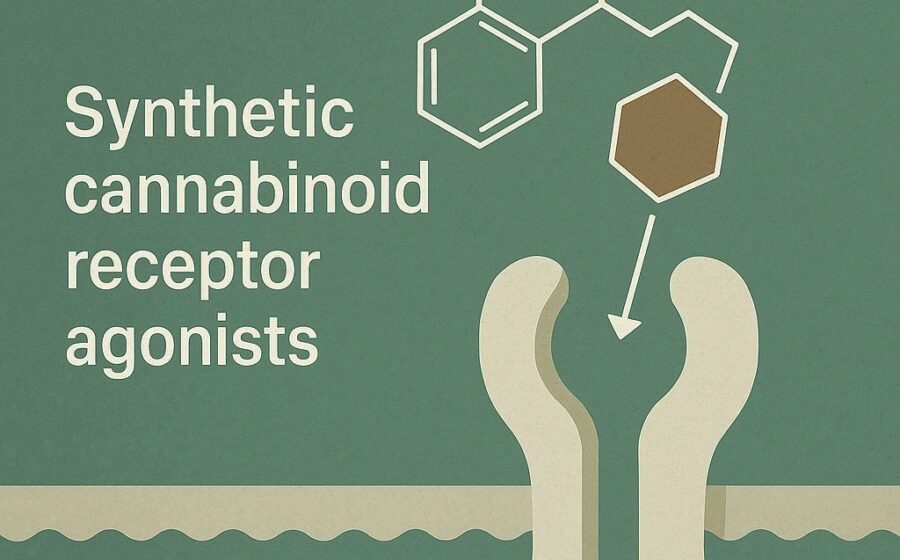
In particular, they describes the efficacy and side effect profiles of cannabinoid-based drugs currently approved for clinical use. Since the number is somewhat limited they were for the most part pharmaceuticals with cannabinoids administered to relieve the symptoms of cancer (emesis), AIDS (wasting syndrome), and neurological disorders (multiple sclerosis and epilepsy). Synthetic cannabinoids, their potential efficacy as well as abuse, were also a prime topic in this Editorial Research and compilation.
Finally, researchers described non medical uses of cannabis from recreation to creation of products and goods. The agricultural and environmental advantages of the cultivation of cannabis, including it's rapid growth and and ability to suppress undergrowth as well as the fact cannabis does not need pesticides as it has no specialized parasites. The Italian researchers concluded that cannabis improves the physical and chemical fertility of soil, as well as being a climate-friendly crop with respect to climate changes and desertification processes.
Let's take a peek at their work – to read the Editorial please go to the Original Publication.
With this Editorial article, we introduce the Topical collection on “Cannabis and cannabinoids: history, practice and socio-economical inferences of a controversial plant”, consisting of six review articles published in the Rendiconti Lincei, Scienze Fisiche e Naturali between the end of 2020 and the beginning of 2021.
In the last decade, the word “cannabis” has been among the most cited in articles from newspapers, magazines and generalist periodicals. This is not due to the increase in the "recreational" consumption of the preparations of the inflorescences of this plant (the best known of which is marijuana), which remains fairly stable even though it still makes of these preparations the most widespread drug in the young populations of Western countries.
The cause of the renewed fame of cannabis is instead linked to the growing debate about the opportunity to decriminalize the therapeutic use of such preparations, as is already happening in many states of the USA and countries around the world, but also in some Italian regions; or even to legalize their “recreational” use, as occurred in some countries (e.g. The Netherlands, Uruguay and, more recently, Canada), thus assimilating them to substances of potential abuse, such as tobacco and alcohol.
In this context, there is some concern among botanists, chemists, pharmacologists and sociologists that precise and detailed information on what cannabis really is and does is only rarely provided to the public and sometimes even to legislative bodies, with the consequence that both often “polarize”on conflicting positions that describe the preparations of this plant as either a panacea for any disease or a source of dreadful dangers for its users.
These positions are often “supported" by news, or sometimes fake news, that easily become available in the social media. Additionally, it is frequently ignored that the plant, historically, has many other uses, and currently offers also new opportunities for its industrial exploitation in the mechanical engineering, food and agricultural sectors.
This topical issue stems from a conference, held at the Accademia dei Lincei in Rome on December 20, 2019, which aimed at providing accurate information, and a forum for discussion, on the past and present use of this millennial plant and its medical and socio-economic implications.
The conference was attended by almost 100 participants, who contributed to making of this event an occasion to clarify some controversial issues and an opportunity for a lively discussion on cannabis and cannabinoids. Almost all the speakers of the conference agreed to provide to the Rendiconti Lincei, an article describing the major take-home messages of their presentations. The result is a collection of six review articles on subjects spanning from the history of studies on this controversial plant and its origin and genetic background, to the discovery of endocannabinoids, the therapeutic exploitation of cannabinoids and the dangers of the indiscriminate use of these natural products as medicines or recreational substances, concluding with the emerging economical opportunities offered by the new industrial uses of cannabis
Vincenzo Di Marzo is the Canada Excellence Research Chair On the Microbiome-Endocannabinoidome Axis in Metabolic Health
Thank you for visiting the GCRC Website,
–Mike Robinson, Founder – Global Cannabinoid Research Center / GCRC Publications
This article is educational commentary from GCRC. It is not a report of study findings and is not medical advice. Speak with a qualified healthcare professional about your own health.