Editorial: Plant or Lab Created Cannabinoids?
The cannabis plant is nearly obsolete some scientist say - Seriously? These are claims made by various entities that are promoting the creation of cannabinoids via the use of yeast and sugar to make...
 Mike Robinson
7 min read
Editorial By: Mike Robinson
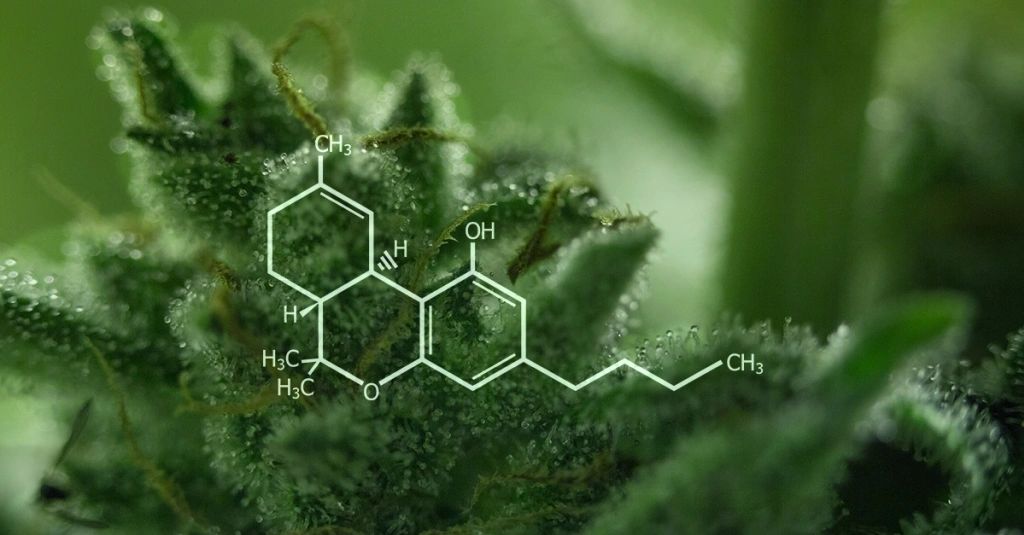
The cannabis plant is nearly obsolete some scientist say – Seriously? These are claims made by various entities that are promoting the creation of cannabinoids via the use of yeast and sugar to make compounds found in the plant like CBD and THC. Many in the industry would likely agree that the claims made in regards to these cannabinoid creations are far from scientifically proven and do not equate to what the plant may offer. This type of science is interesting to say the least, but to make claim that these would be equal to or the same as plant constituents is a stretch to say the least. Bio-synthetics can be created in a lab using either organic hosts to create just about anything. What's mind boggling is these scientists and the corporations behind them are comparing the extraction of willow bark for aspirin to the creation of cannabinoids from yeast. One thing has nothing to do with the other as it was not aspirin itself ever extracted from willow – only a compound that was bio synthetically duplicated. A great ploy by great minds looking to make a great deal of money – but to people that are knee deep in the world of cannabis as a plant – it's a steaming pile of cow dung. A literal grab for the bucks way to make money off of a plant that has yet to be utilized to it's full potential. But it's not limited to one or two companies – this is an ongoing push to gain momentum with corporations that are publicly traded – it's all about money and has little if anything to do with cannabis patient needs.
Hyasynth Bio is one example of just a few Canadian companies experimenting with non-plant-derived cannabinoids in this manner – and making claims to investors that the plant itself can't handle the demands of future cannabinoid medicine. As it is we're all in the pre-school phase of learning about cannabis – and we have some teachers that would likely be in 2nd grade as far as comparing knowledge of the plant to knowledge of our ABC's. Another example of the knowledge of the future would come from Willow Biosciences Inc. – first Canadian biosynthetic cannabinoid company to go public. Willow listed on the Canadian Securities Exchange, and raked in $30 million in the process. So is this about furthering cannabinoid medicine or is this about money is the question. But they answer this for us themselves, no need to wonder. "We had been doing synthetic biology formulations from medical plants for a really long time, and we were the first to reach commercial scale with our production of a synthetic opioid pharmaceutical derived from the genome sequence of the poppy plant. So we’ve been in the API (active pharmaceutical ingredient) space for quite some time now,” said Trevor Peters, the company’s CEO in an article with the Financial Post (yet another telltale sign that this is not about advancing medicine – it's about advancing wealth). What Willow is now experimenting with in relation to the cannabis plant is similar to what Hyasynth is doing in their operation – both are manufacturing a variety of cannabinoids in a lab using yeast.
But they weren't the first to start this. In 2018 the booming cannabis corporation Canopy Growth in Canada – the largest legal cannabis company in the world – paid more than $300 million in cash and shares to acquire Ebbu, a small company in Evergreen, Colorado, that developed a gene editing system to manipulate cannabinoids – known as the CRISPR–Cas9. Then in , Zenabis, another cannabis producer out of Canada, agreed to purchase 36 tonnes of nearly pure, bacterial-made CBD from a cannabis company in Germany by the name of Farmako. This was the first deal of its kind for bio-synthetic cannabinoids. We can't blame Canada and we can't blame Germany as this has been done right here in the U.S.. Canadian cannabis producer Cronos Group has teamed with Boston’s Ginkgo Bioworks to produce a wide spectrum of cannabinoids that as well are created from yeast – and again their scientists laid claim to their thought that yeast created cannabinoids are more stable. Now that's a new one!
Nobody truly knows anything close to everything and our experts in the field of cannabinoid medicine and the other industries that create it are still learning. We've only hit the tip of the iceberg in knowledge and have yet to be able to do clinical trials that are so necessary to not 'prove' anything – but to dial in what can be eventually proven. So, when it comes to these corporations that lay claim to the plant being incapable of driving a market forward, the claims seem a bit odd to say the least. There's cannabis growing all over the world and countries, like the U.S., that have yet to end prohibition. There's more than enough land to grow a beautiful plant and allow industry to expand instead of creating something in a lab.
Personally I'm not a healthcare professional nor scientist that went into research. Rather a patient and compassion provider that found the intense need to learn to read research the best I could in order to create the proper protocols for patients. These guys in lab jackets will not be providing protocols for patients, will not be seeing them, will not be formulating other than something for Big Pharma, and will not be involved in a movement to create plant based medicine. Instead it's a bastardization of the movement that I'm 100% against. There's no reason to create cannabinoids in a lab when you could be experimenting on what the plants constituents do. I look at it like a huge waste that could be going into researching how THC and CBD work to do various things vs. find out how to make more money – but this is the world that we live in. When the plant has just recently been able to be researched, even in Canada, why oh why would we push to have yeast created cannabinoids? They're simply not going to be the same. I personally don't even like all the isolated cannabinoids as mixing them back together and creating a protocol with ratio's of different cannabinoids coming from them does not work anywhere near the same. I've tried using CBC, CBG, CBN, CBD, and THC isolates and combining them for cannabinoid replacement therapy research – after over 4 months of different combinations even those extracts that come directly from the plant didn't have the efficacy of a straight up plant extract – one oil all from one plant.
Research is, at times, 'targeted' in nature. This means that not every abstract we read can be counted on to be done without bias and without intentions to either 1.) gain more research funds (common) 2.) promote an upcoming product or be on the creation of a product (So it's R&D or Clinical Trials – not independent and privately funded or unfunded study). What does this mean? Very simply put that not everyone out there kicking out abstracts and research is doing it to further knowledge for you or the community – it's being done to further their own – and the staggering number that are doing so to promote the creation of a product is intense. I know so many that could even read this editorial and say "Enough already Mike, it's how we make our living" – but that would be their problem. There's way too many laboring over the love of the plant to start looking at Scientists already wanting to minimize the powerful and productive plant like prohibition did. I understand the Canadians doing this as they've already got an end to prohibition, but I'm not a fan of any U.S. company that's promoting a yeast created cannabinoid instead of one from the plant – and have zero interest in researching it or paying much attention to the research that comes from the use of them.
Simply put, I'm not sold on this and not a believer in it. I want nature – nature heals.
Mike Robinson, Founder, Global Cannabinoid Research Center
This article is educational commentary from GCRC. It is not a report of study findings and is not medical advice. Speak with a qualified healthcare professional about your own health.