CBGa and Its Role in the Endocannabinoid System: Research Review
Cannabigerolic acid (CBGa), often heralded as the "mother of all cannabinoids," serves as a precursor to many other cannabinoids, including THC and CBD, in the cannabis plant. This critical role in...
 admin
6 min read

Introduction
Cannabigerolic acid (CBGa), often heralded as the "mother of all cannabinoids," serves as a precursor to many other cannabinoids, including THC and CBD, in the cannabis plant. This critical role in cannabinoid synthesis underpins its significance in plant biochemistry and potential therapeutic applications. Beyond its foundational role in cannabinoid production, emerging research suggests that CBGa possesses unique properties that may directly influence the endocannabinoid system (ECS), contributing to homeostasis and promising therapeutic potential.
The ECS is a complex cell-signaling system that maintains physiological balance across various body systems, including the nervous and immune systems. It comprises endocannabinoids, cannabinoid receptors, and enzymes responsible for the synthesis and degradation of endocannabinoids. Proper functioning of the ECS is crucial for homeostasis, and research has linked dysregulation of this system to numerous health conditions, including neurodegenerative diseases, inflammatory conditions, and metabolic disorders.
Recent studies highlight CBGa's potential to impact the ECS in multiple ways. First, its role in the biosynthesis of other cannabinoids suggests an indirect influence on ECS activity through the modulation of cannabinoid receptor interactions. Additionally, preliminary research indicates that CBGa may exhibit direct interaction with various molecular targets within the ECS, including cannabinoid receptors and enzymes involved in endocannabinoid metabolism, thus influencing the ECS's role in inflammation, pain perception, and neuroprotection.
Given the therapeutic relevance of the ECS and the potential of cannabinoids to modulate its activity, CBGa's unique properties merit further investigation. This review explores the current understanding of CBGa's interaction with the ECS, its potential therapeutic benefits, and the implications for ECS balance and health. By elucidating CBGa's role in the ECS, we aim to uncover novel approaches for leveraging cannabinoid biology in the pursuit of health and wellness, emphasizing the need for continued research to fully understand the therapeutic scope and mechanisms of action of CBGa within the endocannabinoid system.
The ECS is a complex cell-signaling system identified in the early 1990s by researchers exploring THC, a well-known compound in cannabis. Despite its initial discovery linked to cannabis, this system is a critical part of human physiology. It is vital to maintain homeostasis by regulating various functions, including mood, appetite, sleep, and memory.
The Endocannabinoid System maintains homeostasis by regulating various functions, including mood, appetite, sleep, and memory.
Discussion
Understanding the Endocannabinoid System (ECS):
Components of the ECS:
Endocannabinoids: Endogenous cannabinoids produced by our bodies, such as anandamide and 2-arachidonoylglycerol (2-AG), are similar to cannabinoids in the cannabis plant.
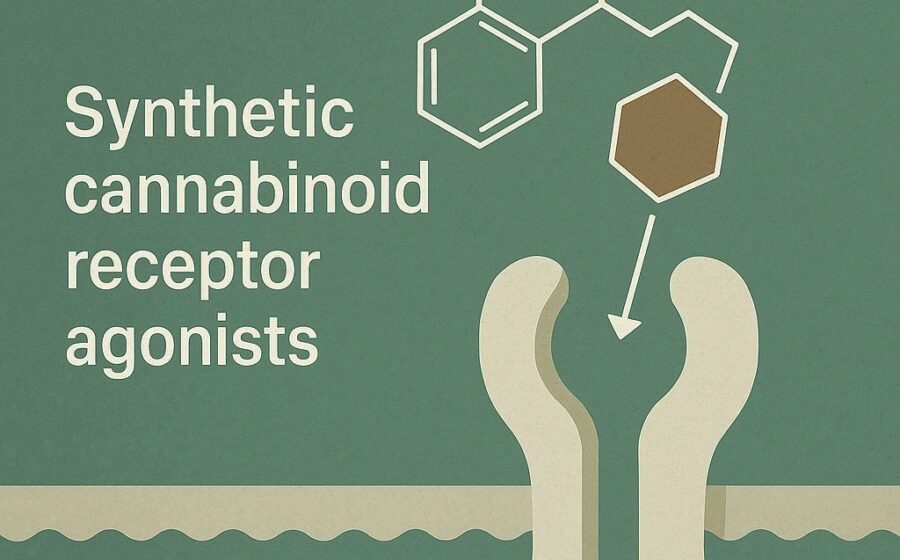
Cannabinoid receptors: Found throughout the body, these receptors, primarily CB1 and CB2, bind with endocannabinoids to signal the ECS to take action.
GPRs There are many G-coupled protein receptors responsible for modulating cannabinoids from the plant and our body.
TRPVs: These are located in our gut and suppress cytokine action. Many studies note both GPRs and TRPVs as the 'CB3' receptor system.
Enzymes: They're responsible for creating and breaking down endocannabinoids, ensuring they are used by our body when needed but not more than necessary.
The Role of CBGa in ECS Balance
Cannabigerolic acid (CBGa) is known as the "mother of all cannabinoids" because it is the precursor from which many other cannabinoids, including THC, CBC, and CBD, are synthesized. Recent research has highlighted CBGa's unique role in enhancing the balance of the ECS, not only by acting on cannabinoid receptors but also by influencing the production of endocannabinoids and rare amino acids essential for ECS function.
Therapeutic Potentials of CBGa:
Neuroprotection: Studies suggest CBGa may protect nerve cells from damage, offering potential benefits for neurodegenerative diseases.
Anti-inflammatory: CBGa has shown promise and potential in reducing inflammation, a critical factor in many chronic diseases.
Cancer: Preliminary research indicates that CBGa might inhibit the growth of specific cancer cells; studies are underway to advance this knowledge.
Metabolic Disorders: There's evidence that CBGa can influence fat metabolism, offering potential pathways for treating obesity and diabetes. Metabolic disorders are involved in every aspect of aging.
Enhancing ECS Balance with CBGa
ECS balance, or homeostasis, is crucial for health. An imbalance can lead to various conditions, including chronic pain, mood disorders, and autoimmune diseases. CBGa's role in enhancing ECS balance involves:
Regulation of Endocannabinoid Production: By influencing the production of endocannabinoids, CBGa helps ensure the body can respond effectively to maintain balance. In research, CBGa acts much like a referee between cannabinoids from the plant and cannabinoids in the body, allowing for a healthy outcome for those who use cannabis or have a downregulated ECS; in other words, it's not functioning well.
Receptor Activation: While CBGa does not bind directly to CB1 and CB2 receptors with high affinity, its influence on the synthesis of other cannabinoids that do, such as THC and CBD, can indirectly affect receptor activation and ECS function.

Practical Considerations for CBGa and ECS Health
Maintaining ECS balance with CBGa, in anecdotal reports, involves understanding its benefits and how to incorporate it into daily wellness routines. The following are examples:
Diet and Lifestyle: A balanced diet rich in omega-3 fatty acids and regular exercise can support endocannabinoid production.
Cannabinoid Supplementation: Products containing CBGa, such as tinctures, oils, and edibles, can supplement endogenous endocannabinoid levels, potentially enhancing ECS function.
Stress Management: Stress reduction techniques like meditation and yoga can decrease the breakdown of endocannabinoids, supporting ECS balance.
Future Directions and Considerations
As the study of cannabinoids, including CBGa, continues to evolve, so will our understanding of its potential to contribute to health and wellness. Ongoing research is needed to fully elucidate CBGa's mechanisms of action, optimal dosages, and long-term effects. Individuals interested in incorporating CBGa into their health regimen should consult healthcare professionals to ensure it aligns with their overall health strategy.
Conclusion
The endocannabinoid system is a pivotal component of human physiology, influencing various bodily functions and maintaining overall balance. CBGa, as a significant cannabinoid, offers promising therapeutic potentials and a unique ability to enhance ECS balance. By fostering a deeper understanding of the ECS and the role of cannabinoids like CBGa, individuals can better navigate the complexities of health and wellness in modern science and medicine.

© Mike Robinson, Founder Global Cannabinoid Researcher Center and Creator of ECS Balance Control, The Researcher OG
References:
Jastrząb A, Jarocka-Karpowicz I, Skrzydlewska E. The Origin and Biomedical Relevance of Cannabigerol. Int J Mol Sci. 2022 Jul 19;23(14):7929. doi: 10.3390/ijms23147929. PMID: 35887277; PMCID: PMC9322760
Hillig KW, Mahlberg PG. A chemotaxonomic analysis of cannabinoid variation in Cannabis (Cannabaceae). Am J Bot. 2004 Jun;91(6):966-75. doi: 10.3732/ajb.91.6.966. PMID: 21653452
Abdel-Magid AF. Treatment of Metabolic Disorders with CB-1 Receptor Inverse Agonists. ACS Med Chem Lett. 2016 Aug 31;7(10):874-875. doi: 10.1021/acsmedchemlett.6b00324. PMID: 28824746; PMCID: PMC5560474.
This article is educational commentary from GCRC. It is not a report of study findings and is not medical advice. Speak with a qualified healthcare professional about your own health.