Cannabis: 12,000 years in 2000 words by Hemp Highway of Kentucky
Until the 1900’s cannabis was popularly known as “hemp” throughout the United States. Hemp usually referred to cannabis grown for fiber and seed. “Indian hemp” was sometimes used to describe...
 Mike Robinson
9 min read
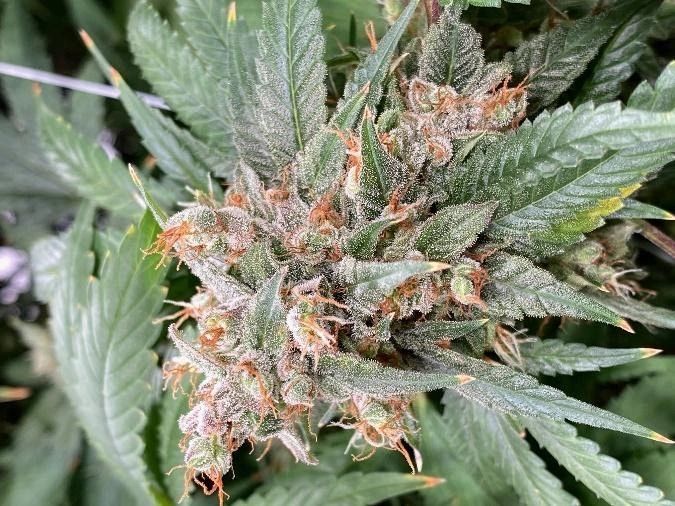
Until the 1900’s cannabis was popularly known as “hemp” throughout the United States. Hemp usually referred to cannabis grown for fiber and seed. “Indian hemp” was sometimes used to describe medical cannabis. As the name implies, medicinal cannabis was often identified as having its origin in India.
The Agricultural Improvement Act of 2018 (2018 Farm Bill) legalized “hemp.” But what is “hemp”? The Farm Bill defines “hemp” as any part or byproduct of the plant Cannabis Sativa L “with a delta-9-tetrahydrocannabinol (THC) concentration of not more than 0.3 percent on a dry weight basis”. This basically defines “hemp” by the concentration of the compound in cannabis (THC) responsible for its “psychoactive” effect. Simply stated, at .3% THC, hemp does not have enough of the right stuff to get anyone high. Hemp is legal for the first time since the passage of the “Marihuana Tax Act of 1937”.
A Few Thousand Years of History:
For all of human history hemp was an essential crop. Dr. Carl Sagan, in his book The Dragons of Eden, joked “It would be wryly interesting if, in human history, the cultivation of ‘marihuana’ led generally to the invention of agriculture and thereby to civilization.” Sagan was writing about “hemp” and calling attention to archaeological evidence of the early, hemp cultures.
Artifacts discovered on Japan’s Oki Islands date hemp use to 10,000 BCE. Evidence suggests hemp seed (nutrient dense, rich in protein) was part of their diet. Markings left on Chinese pottery dated from 5,000-8,000 BCE are the first evidence of hemp cordage. China developed an advanced hemp culture. There are artifacts of textile and paper manufacturing.
In 6th Century India, a mix of hemp and lime was used to preserve irreplaceable artifacts which were later discovered in the Ellora Caves. The statues and artifacts were in perfect condition when archaeologists found them.
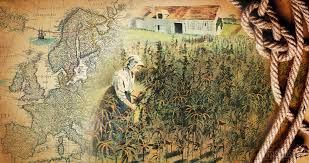
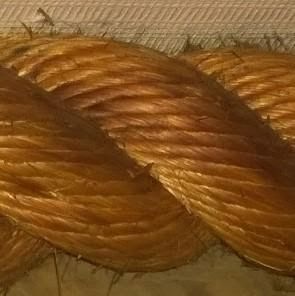
Hemp and flax fibers were the first materials in many early textiles. Hemp proved a superior fiber in marine uses. Hemp fiber produced excellent sailcloth and cordage. Hemp allowed humans to explore and thrive in a variety of environments. During the Age of Exploration, hemp outfitted the ships that braved the world’s oceans. Clothes of hempen fabric were worn by the sailors, explorers and settlers on these ships. Hemp is literally the thread that weaves together western civilization.
For settlers in the “New World” hemp was essential. In the 1600’s North American colonies passed laws mandating hemp cultivation. Hemp accompanied the pioneers across America, a vital material for westward expansion. Hemp provided several essential products. Among these products are cordage, textiles and oil. The covers on the Conestoga wagons and the first “blue jeans” were made of hemp. Different states will lead the nation in hemp production, Pennsylvania, Kentucky, Missouri, Wisconsin.
US hemp production peaked prior to the Civil War. Following the war, hemp slowly faded from America’s agricultural landscape. Hemp production shifted from former slave states to the Midwest.
Reefer Madness and the Marijuana Tax Act:
In the late 1800’s cannabis started to appear in the United States in “unfamiliar” ways. The 1876 Centennial Exposition in Philadelphia featured a “Turkish Hashish Exposition”. In cities across America “Turkish Smoking Parlors” began appearing. Americans don’t understand that “hashish” was another form of the cannabis they consumed “medicinally”.
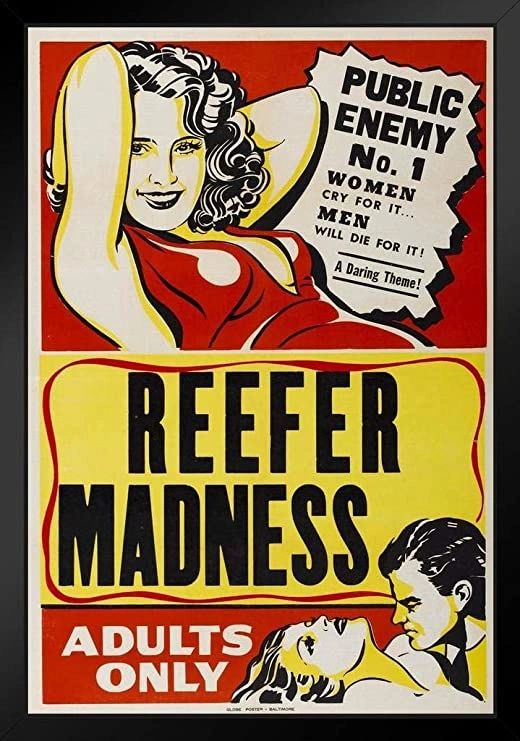
“Marijuana” use, smoking cannabis flowers, first appeared in the early 1900’s. It is first documented in Brownsville, TX and the Storyville District of New Orleans. Significantly, reports claim “marihuana” smoking is introduced by minorities. Labeled a threat, marijuana smokers faced a swift and fierce backlash. Soon, exaggerated reports of marijuana’s effects begin appearing in the news and popular entertainments. The film “Reefer Madness” was released in 1936. Widely distributed, it is part of an organized, well financed “public education” campaign. “Reefer Madness” featured an appearance by Federal Bureau of Narcotics Director Harry J. Anslinger. In July 1937 Anslinger authored “Marihuana Assassin of Youth” for The American magazine. Reprinted in Reader’s Digest, “Assassin of Youth” also became a film. This all occurred when little was known about the psychoactive effects of cannabis. In 1937 the first cannabinoid was still years from being identified.
The “education” campaign worked. The public demanded action. Congressional hearings were held in the late Summer of 1937. Representatives of the hemp industry were caught by surprise. Their testimony at the hearings was not coordinated. However, they are able to influence the definition of “hemp” and “marihuana”. For the next 80 years hemp was legally defined as being only the stalks and stems of the cannabis plant denuded of leaves and flowering tops. The result of these hearings was the “Marihuana Tax Act of 1937”. Cannabis prohibition began October 1, 1937. The FBN and members of the hemp industry argued over the difference between “hemp” and “marijuana” until the outbreak of WWII. The FBN did not believe the “retting” process destroyed “marihuana”.

Hemp for Victory:
Historically hemp has been considered an essential war material. But by World War II navies no longer required sail cloth. Ships utilized steel anchor chains and rigging of twisted steel cord. The need for marine cordage appeared to be dramatically reduced. And, “Manilla Hemp” or abaca had replaced hemp as the “fiber of choice.”
But hemp was still an essential war material. War planners recognized this soon after the attack on Pearl Harbor. On December 8, 1941 Japan invaded and occupied the Philippine Islands, the US Navy’s main source of fiber. In 1942 the United States Department of Agriculture produced the film “Hemp for Victory”. The film launched our government’s war production program for hemp. American farmers answered the bell. “Hemp for Victory” was wildly successful and produced a large inventory of quality hemp fiber.
After the War Hemp Takes a Holiday:
The hemp industry was in decline before the Marijuana Tax. After WWII modifications were made to the Marihuana Tax Act to help producers and processors. However, adjustments to the law did not save the hemp industry. In 1952 the last hemp mill in Kentucky, Kentucky River Mills, ceased operation. The last hemp mill in Wisconsin, the Matt Rens Company, processes their last hemp crop in 1957. In 1958 Matt Rens sterilized their remaining hemp seed for sale as bird feed. Even without prohibition it is still questionable if either mill would have remained open.
“Reefer madness” made a brief return after WWII. but the world had changed. By the mid 1950’s “reefer” use was starting to look “cool” to some young people. “Pot” use became emblematic of the 1960’s counter culture. The 1970’s saw the first organized attempts to re-legalize cannabis.
The Emperor Wears No Clothes:
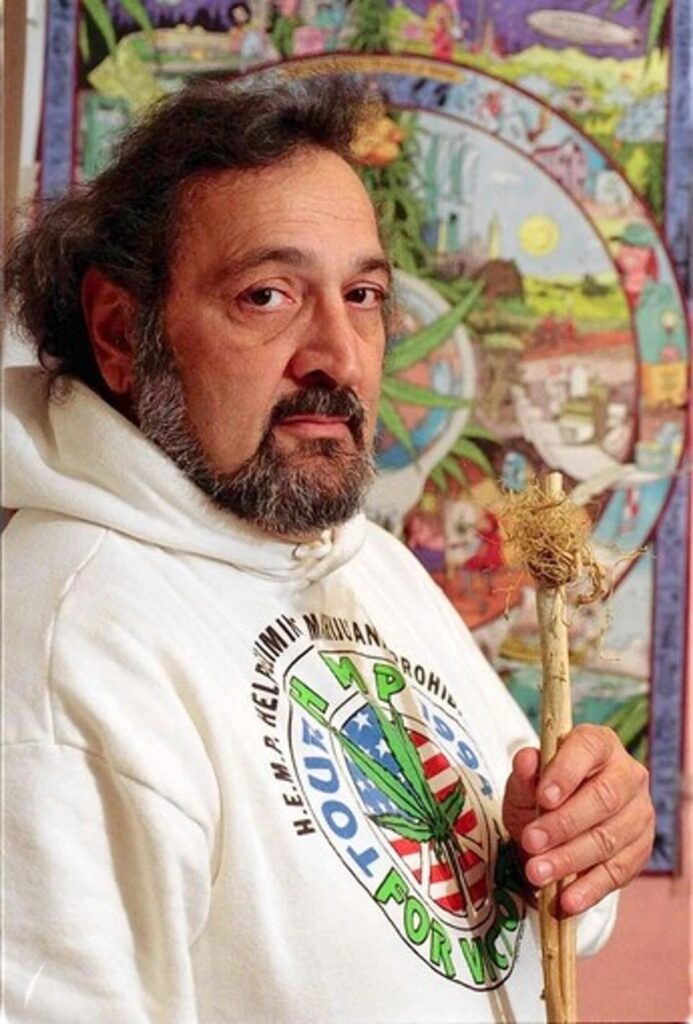
In 1985 cannabis advocate Jack Herer rediscovered that “marijuana” is really “hemp” and published “The Emperor Wears No Clothes”. The book is a history and compilation of the truth cannabis hemp. Herer spackled it together into an accessible narrative. “Emperor” was a success and educated generations about the historical significance of hemp. “Emperor” altered the discourse about cannabis.
“Emperor” included information detailing the historical industrial uses for hemp. Herer then asks, “Why not?”. In doing so “Emperor” succeeded in bridging the cannabis and environmental movements. “Emperor” planted the seeds of a hemp revolution that germinated and took root in the 1990’s. Hemp forced itself into the sunlight of political and public discussion. Canada legalized industrial hemp in 1998. The US waited another 16 years.
But I Thought Cannabis was Medicine:
In 2737 BCE the oldest use of medicinal cannabis was recorded in the Chinese text, the Pen Ts’ao. In Western culture Greek historian Herodotus was the first to document cannabis use. In 450 BCE he wrote of a Scythian burial ritual. Herodotus reported that the participants burned cannabis to create a smoke that effected their behavior. In 1842 cannabis first appeared in the US Pharmacopoeia. Cannabis tinctures, extracts and elixirs, were used for treating rheumatism, delirium tremens, migraine headaches, asthma and menstrual cramps.
California and Proposition 215
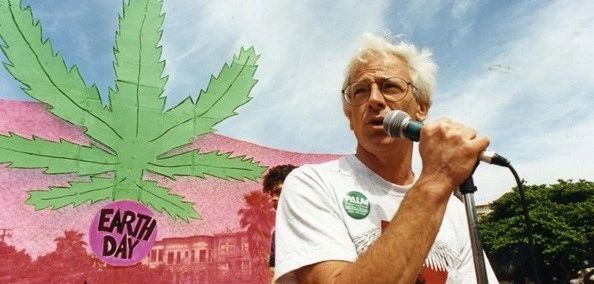
In 1996, California voters approved proposition 215, the “Compassionate Use Act”. Prop 215 legalized medical cannabis use in California and serves as a template for ongoing cannabis legislation.
Charlotte Figi and the Children’s Crusade
Charlotte Figi is a little girl from Colorado. When she was three months old Charlotte experienced her first grand mal seizure. The seizures continued and got worse. At 2 ½ Charlotte was diagnosed with Dravet Syndrome, a rare type of epilepsy. Between the seizures and the powerful anti-convulsion medicine Charlotte’s outlook was bleak. She was drugged in a fog and still suffered countless seizures. Barely alive her quality of life was poor. Her parents were desperate and willing to try anything. They started to hear about epileptic children who had been helped with medical cannabis. Exploring every option, they searched for doctors willing to try cannabis therapy. After assembling a medical team, mom identified a low THC, high CBD cannabis strain. Their prayers were answered. Charlotte had a dramatic improvement through cannabis therapy.
On August 7, 2013 CNN aired a report about Charlotte’s story. The response was swift and overwhelming. Desperate parents from across the country wanted to learn more about cannabis and CBD.

2014 Farm Bill
The 2014 Farm Bill allowed states to create “Industrial Hemp Pilot Programs” that established a framework for the states to explore the economic viability of hemp. Collectively the programs were successful and legitimized the CBD and hemp industries.
2018 Farm Bill
Due to the success of the 2014 hemp pilot programs, hemp was legalized in the 2018 Farm Bill. However, even the 2018 Farm Bill did not end the war on hemp. The DEA still lurks in the shadows, casting a suspicious eye on the proceedings, while the FDA (seeming to function as an arm of Big Pharma) keeps hemming and hawing about what they really will allow and how.
It is a regulatory clusterf*ck of the highest degree regarding a plant that very well may have been responsible for domesticating humans. Let’s hope the future brings some common sense and clarity.

Visit the Hemp Highway of Kentucky website today and learn more from Dan!
The Hemp Highway of Kentucky starts with the 14 historical road side markers in 12 Kentucky counties that discuss the hemp in Kentucky. 13 of these markers are located in 11 counties stretching through the heart of the Bluegrass. The markers create the frame for the Hemp Highway of Kentucky. The historical markers introduce key events and characters in Kentucky’s rich hemp history. The text of the markers starts in the earliest pioneer days and continues the story through the mid-20th Century.
Additionally the Hemp Highway of Kentucky identifies relevant places of interest in each county. These sites all have a connection to the history or future of the hemp industry in the Commonwealth.
Historical attractions include restored mansions originally built with hemp generated wealth. We also look for modern businesses located in warehouses and other structures built by pioneers in the hemp industry. The Hemp Highway also features adventures at locations currently engaged in Kentucky’s hemp renaissance.
It's a pleasure to have Dan as a guest content writer the Global Cannabinoid Research Center,
–Mike Robinson, Founder – Global Cannabinoid Research Center / GCRC Publications
This article is educational commentary from GCRC. It is not a report of study findings and is not medical advice. Speak with a qualified healthcare professional about your own health.