New Research on THCP: When a Minor Cannabinoid Packs a Major Punch
 Mike Robinson
16 min read
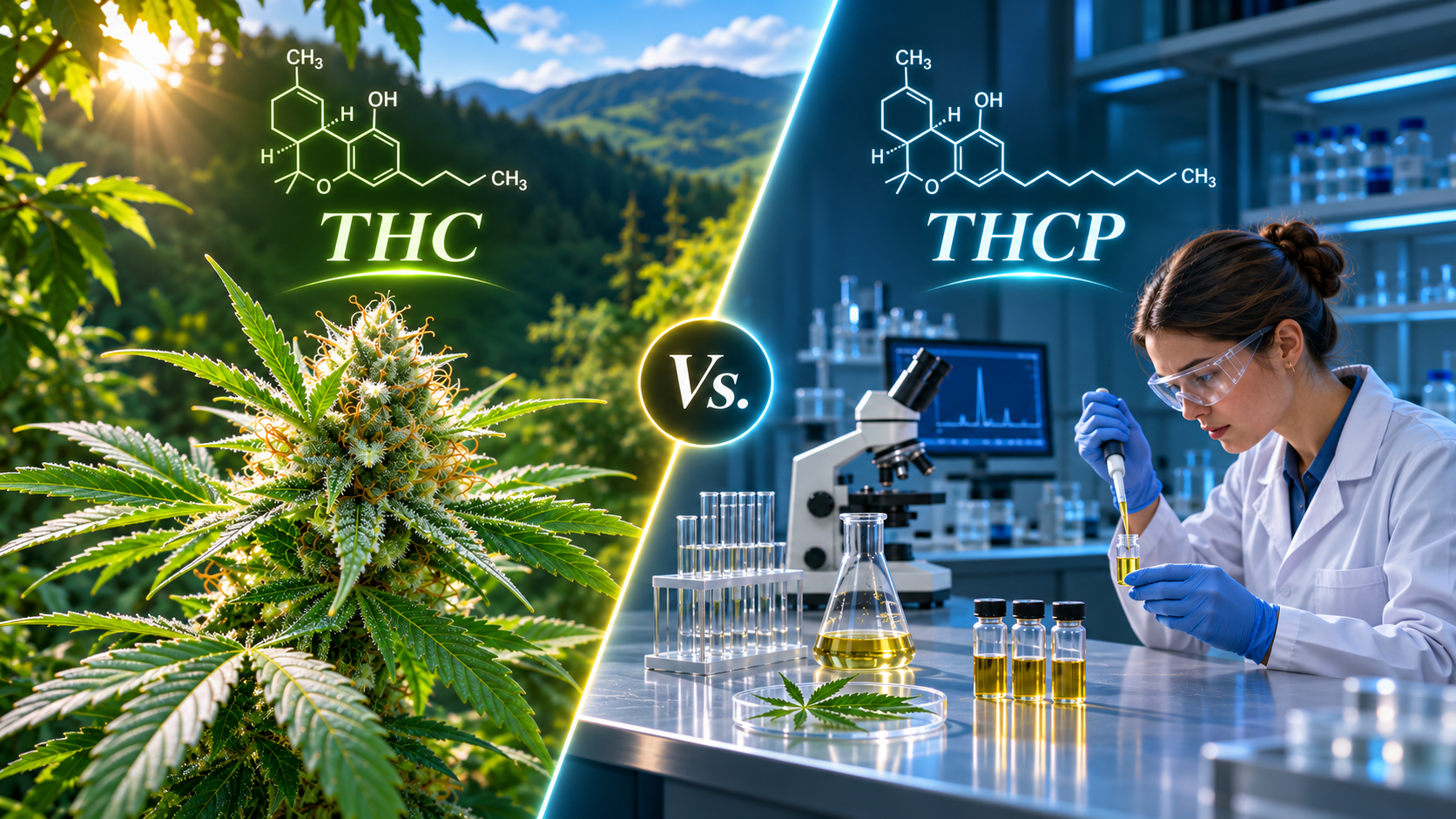
New research exposes the extraordinary potency of tetrahydrocannabiphorol, its relationship to THC, and what concentrated cannabinoids could mean for the human endocannabinoid system.
For decades, delta-9 THC has been the cannabinoid we’ve associated with the intoxicating effects of Cannabis. We’ve studied its chemistry, its interaction with cannabinoid receptors, its therapeutic potential, and what happens when people consume too much. But another naturally occurring cannabinoid in the plant demands a closer look.
Tetrahydrocannabiphorol, better known as THCP, may be present in extraordinarily small quantities in Cannabis, but there’s nothing minor about its potential biological activity. New research published on November 9, 2026, adds another important piece to our understanding of this molecule, and the findings should get the attention of researchers, healthcare professionals, manufacturers, and consumers alike.
The study, “Assessment of Δ9-tetrahydrocannabiphorol (THCP), Δ8-tetrahydrocannabinol (Δ8-THC), and cannabinol (CBN) pharmacodynamics and pharmacokinetics across multiple routes of administration in the C57BL/6 mouse,” examined how these three cannabinoids behave inside a living biological system.
What emerged was a substantial difference in their ability to produce cannabinoid-related physiological effects. THCP demonstrated considerably greater potency and efficacy than delta-8 THC and CBN across several important measurements, and comparisons with previous delta-9 THC research suggest it may also possess considerably greater intoxicating potential than the cannabinoid we’ve spent decades studying. [1]
For those of us researching the endocannabinoid system, or ECS, this raises a much bigger question than how high someone might get from consuming THCP. What happens when we introduce a highly potent cannabinoid into a biological system that’s designed to regulate itself through carefully controlled molecular signaling?
What the New THCP Research Actually Reveals
The November 2026 study investigated the pharmacodynamics and pharmacokinetics of THCP, delta-8 THC, and CBN in male and female C57BL/6 mice, a commonly used laboratory mouse strain in biomedical research.
These two scientific terms are important to understand. Pharmacodynamics describes what a compound does to the body, including its effects on receptors, cellular activity, and physiological responses. Pharmacokinetics describes what the body does to the compound, including its absorption, distribution, metabolism, and elimination.
You can’t fully understand the effects of a cannabinoid by studying only one of these processes. A compound might bind exceptionally well to a receptor. Still, its biological activity also depends on how much of it reaches that receptor, how long it’s present, and what happens to it along the way.
The researchers administered the three cannabinoids through intravenous injection, intraperitoneal injection, and oral gavage, which delivers a measured substance into the stomach. Additional experiments involved direct administration of delta-8 THC and CBN into the brain.
They measured cannabinoid concentrations in whole blood and examined physiological responses associated with cannabinoid activity, including changes in body temperature, catalepsy, and nociception. Locomotor activity was also evaluated in the experiments involving direct brain administration. [1]
Hypothermia reflects a decrease in body temperature, while catalepsy involves an abnormal maintenance of posture and reduced responsiveness to movement. Nociception refers to the nervous system’s detection and processing of potentially harmful stimuli, which is related to pain but isn’t identical to the subjective experience of pain.
THCP stood out.
When researchers compared circulating concentrations with the doses required to produce measurable effects, THCP showed substantially stronger activity in producing catalepsy, hypothermia, and reduced nociception. Delta-8 THC and CBN produced more limited responses under the experimental conditions.
However, direct brain administration revealed that delta-8 THC could produce significant catalepsy, while CBN could reduce nociceptive responses. This suggests that the biological activity of these cannabinoids can’t be understood solely by looking at what happens after oral or peripheral administration. How much of a compound reaches its target matters tremendously. [1]
Another noteworthy finding involved THCP’s pharmacokinetics. The researchers observed relatively high circulating concentrations followed by rapid elimination from the blood.
That’s important because it challenges the assumption that a cannabinoid must remain at high blood concentrations for an extended period to produce substantial physiological effects. Bloodstream concentration isn’t necessarily the same as brain concentration, and declining blood levels don’t automatically mean receptor activity or impairment has ended.
The new study provides important information about THCP’s activity in living animals, but it doesn’t establish how long intoxication lasts in humans or how human metabolism handles the compound.
Why THCP Can Hit Much Harder Than Traditional THC
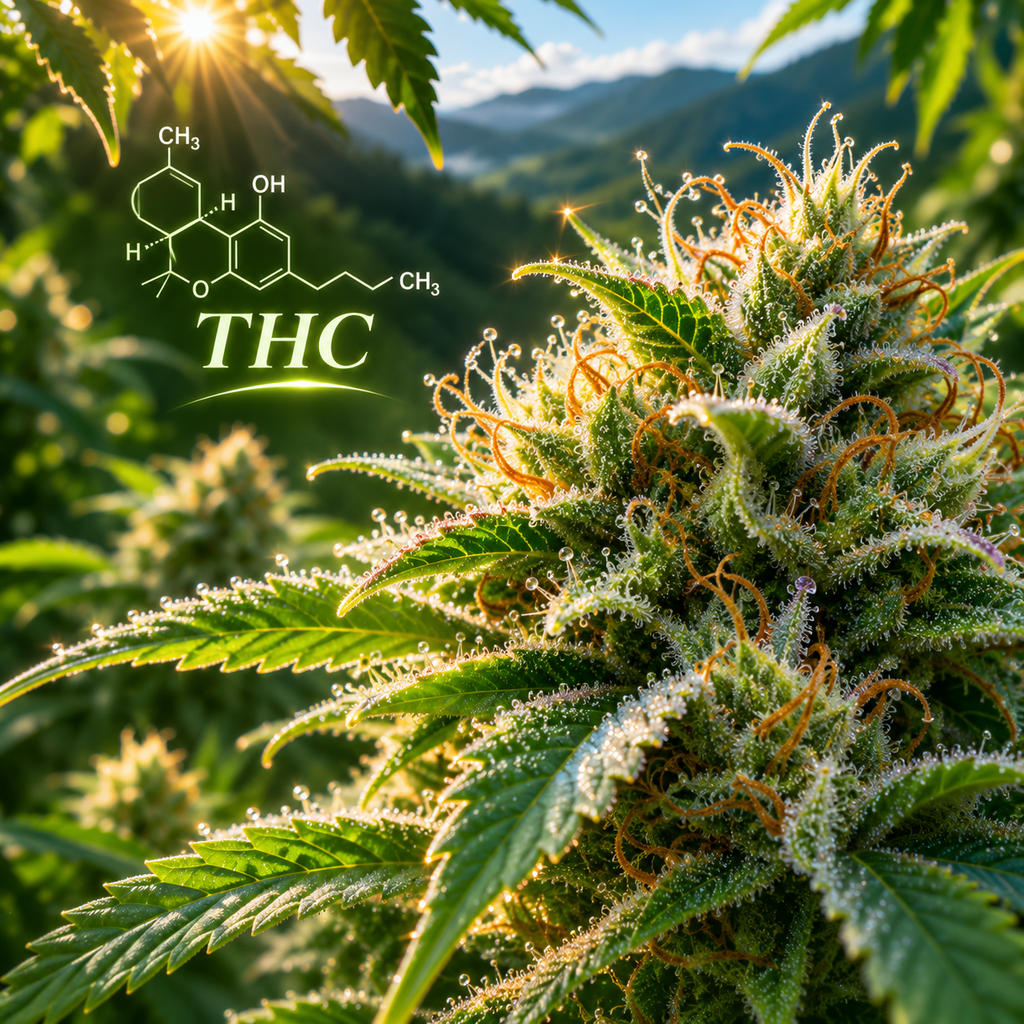
To understand why THCP is so interesting, we’ve got to look at its molecular structure.
In December 2019, a groundbreaking study identified and characterized naturally occurring delta-9 THCP in Cannabis sativa. The researchers published their findings in a paper titled “A novel phytocannabinoid isolated from Cannabis sativa L. with an in vivo cannabimimetic activity higher than Δ9-tetrahydrocannabinol: Δ9-Tetrahydrocannabiphorol.” [2]
THCP shares much of its molecular architecture with delta-9 THC, but there’s an important structural difference.
Traditional delta-9 THC has a five-carbon alkyl side chain. THCP has a seven-carbon side chain. Those two additional carbon atoms might not sound like much, but in cannabinoid pharmacology, relatively small structural changes can have substantial consequences.
The longer side chain can extend further into a hydrophobic region of the CB1 receptor, allowing additional molecular interactions that may help stabilize the cannabinoid within its binding site.
The 2019 researchers reported remarkable differences in binding affinity for the human CB1 receptor. Their comparison included several naturally occurring members of the THC family:
CannabinoidAlkyl side chainCB1 binding affinity (Ki)
THCV 3 carbons 75.4 nM
THCB 4 carbons 15 nM
Delta-9 THC 5 carbons 40 nM
Delta-9 THCP 7 carbons 1.2 nM
Source: 2019 THCP discovery study, Figure 3. Lower Ki values indicate stronger binding affinity. Several comparator values were drawn from previous research rather than measured together in one experiment. [2]
Using those reported values, THCP demonstrated approximately 33 times the CB1 binding affinity of delta-9 THC, 12.5 times that of THCB, and nearly 63 times that of THCV.
The researchers also reported a CB2 binding affinity of 6.2 nM for THCP, compared with 36 nM for delta-9 THC, suggesting that THCP’s interesting pharmacology extends beyond its interaction with CB1. [2]
Binding affinity, potency, and efficacy are three different things. Binding affinity tells us how strongly a molecule interacts with a receptor. Potency tells us how much of a compound is needed to produce a particular biological effect. Efficacy describes how large an effect that compound can produce.
A cannabinoid that binds 33 times more strongly to CB1 isn’t automatically going to make someone 33 times more intoxicated. That’s not how a complex biological system works.
Furthermore, published CB1 binding affinity measurements for delta-9 THC vary considerably between laboratories. A 2025 investigation titled “How THC works: Explaining ligand affinity for, and partial agonism of, cannabinoid receptor 1” highlighted this variability and the importance of distinguishing molecular binding from biological potency. The research also explored how the structural properties of THC-related compounds influence receptor activation. [3]
This is precisely why the new 2026 research is important. It extends the discussion beyond what happens when THCP meets a receptor in a laboratory assay and examines what happens when THCP enters a living animal.
The earlier discovery established extraordinary receptor binding affinity. The new research provides further evidence of extraordinary functional potency.
We’ve moved from understanding how strongly THCP binds to a cannabinoid receptor to understanding the substantial physiological effects it can produce in a living system.
THCP Compared With THC Isomers and Related Cannabinoids
There’s an important distinction between THCP and the numerous THC isomers being marketed today.
Delta-8 THC and delta-9 THC are positional isomers. They have the same molecular formula, but the location of a double bond within their molecular structure differs. Other THC isomers, including delta-10 THC, also involve structural rearrangements that distinguish them from traditional delta-9 THC.
THCP is different. It’s a homolog of THC, not simply another positional isomer. Its longer side chain gives it a different molecular formula and distinct pharmacological properties.
That distinction matters because it helps explain why THCP isn’t just another THC alternative with a slightly different name.
Delta-9 THC is a well-characterized partial agonist at CB1 and CB2 receptors. Its ability to activate CB1 receptors in the brain accounts for much of its intoxicating activity, including changes in perception, memory, coordination, and mood.
Delta-8 THC generally demonstrates lower potency than delta-9 THC in human research, although it can still produce substantial intoxication. A comprehensive 2022 review of their comparative pharmacology identified differences in CB1 receptor activity as one possible explanation for the reduced potency of delta-8 THC. [4]
CBN represents another distinct cannabinoid. It can form through the oxidative degradation of THC and generally exhibits weaker cannabinoid receptor activity than delta-9 THC. Its limited activity in the new mouse study, along with its effects after direct administration into the brain, illustrates why differences in receptor interaction and drug distribution matter.
THCP, on the other hand, has emerged as an exceptionally potent member of the naturally occurring THC family. Its strong receptor affinity and substantial cannabinoid-like activity in animals distinguish it from both delta-8 THC and CBN.
However, the available research doesn’t establish that THCP is more potent than every THC isomer, derivative, or synthetic cannabinoid in existence. Nor does it provide a reliable human potency ranking for delta-10 THC and every other compound being sold alongside it.
The evidence does establish that THCP deserves a different level of scientific and consumer attention than many of the less potent cannabinoids it’s being grouped with.

THCP and the Endocannabinoid System: More Activation Isn’t Necessarily Better
As someone who’s spent years researching cannabinoids and the ECS, I find the implications of THCP’s potency particularly interesting.
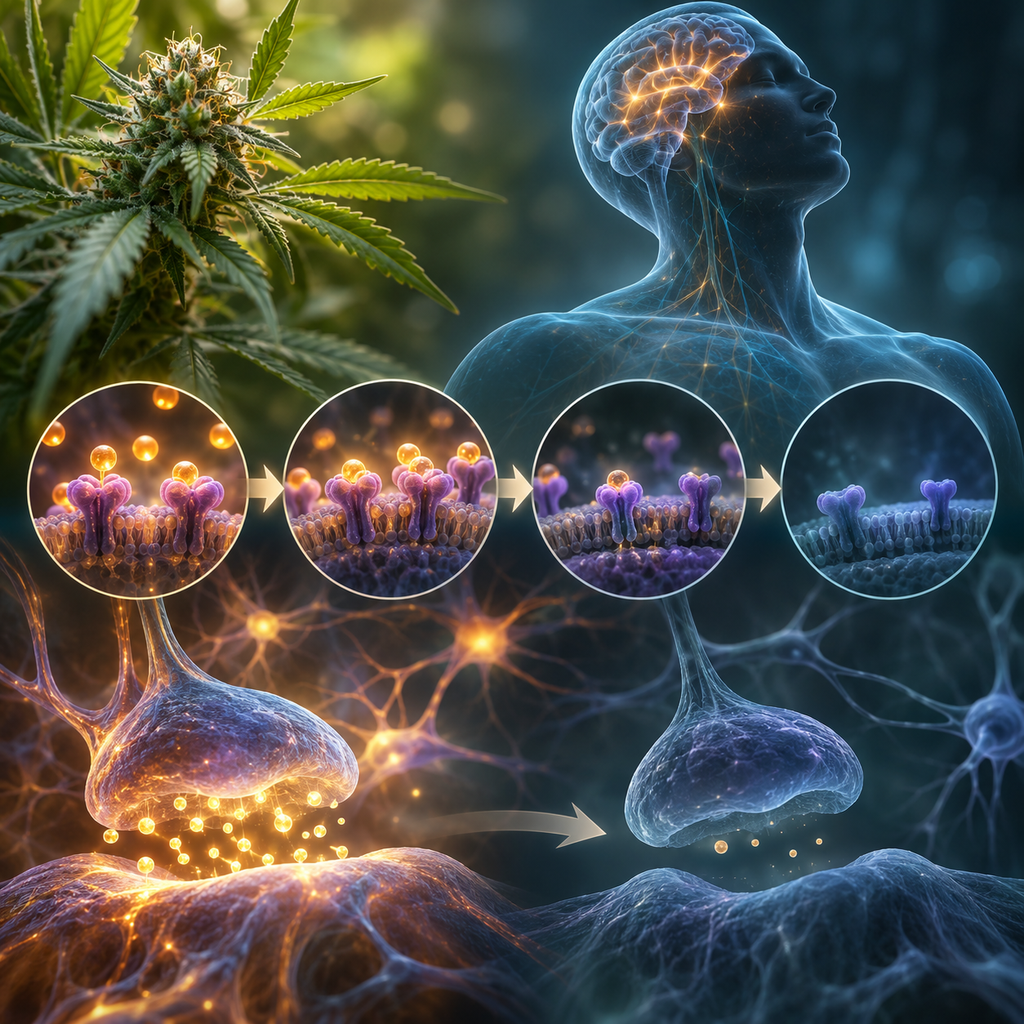
The endocannabinoid system isn’t something the Cannabis plant creates in us. It’s an existing biological communication network that uses molecules our bodies produce, including anandamide (AEA) and 2-arachidonoylglycerol (2-AG), along with receptors, metabolic enzymes, and other interacting signaling systems.
These endogenous cannabinoids help regulate processes associated with neurological activity, pain signaling, appetite, stress responses, and numerous other aspects of physiological function.
One of the most fascinating characteristics of endocannabinoid signaling is that it’s often initiated locally, in response to biological activity. In the nervous system, 2-AG can be produced by a receiving neuron and travel backward across the synapse to activate CB1 receptors on the transmitting neuron. This can reduce neurotransmitter release and help regulate communication between cells. [5]
It’s a feedback mechanism. The body is continuously making adjustments, and cannabinoids are part of that conversation.
When we introduce delta-9 THC, we’re introducing an external molecule that can activate some of the same receptors utilized by our endogenous cannabinoids.
Unlike locally produced endocannabinoids, however, THC enters the body through an external route and can activate receptors across numerous tissues and neural circuits. That’s a significant difference.
Delta-9 THC can produce effects that people find therapeutic or beneficial. But, its biological activity can also become disruptive depending on the dose, frequency of use, individual susceptibility, and existing physiological conditions.
THCP raises additional questions because of its strong receptor affinity and considerable potency.
In theory, a highly potent cannabinoid could produce substantial receptor activation at lower concentrations than traditional THC. But the extent of that activation, its duration, the signaling pathways involved, and the body’s adaptive response can’t be predicted from binding affinity alone.
The new THCP research doesn’t measure changes in anandamide or 2-AG concentrations. It doesn’t establish that THCP depletes our endogenous cannabinoids, interferes directly with their synthesis, or causes long-term changes in CB1 receptor density.
Those are questions for future research, and they’re questions I’d like to see investigated.
What Could THCP Mean for THC Tolerance?
One area of cannabinoid research I focus on at the Global Cannabinoid Research Center is what I refer to as ECS Balance Control. People often reach a point where their usual amount of THC no longer produces the effects it once did. Some respond by increasing their consumption, moving toward stronger concentrates, or looking for more potent cannabinoids that can overcome their existing tolerance.
But increasing receptor stimulation isn’t necessarily addressing the biological adaptations underlying that tolerance.
Human imaging research published in 2012 identified reduced CB1 receptor availability in certain brain regions of chronic daily Cannabis smokers. Importantly, receptor availability increased after a period of monitored abstinence, supporting the concept that the cannabinoid receptor system can adapt to sustained exposure and that these changes can be reversible. [6]
This doesn’t mean that everyone who consumes THC experiences identical receptor changes, nor does it mean that CB1 receptor availability alone explains every aspect of tolerance. However, the findings establish something important. The ECS adapts to its environment.
Now consider what happens when someone who’s already developed considerable tolerance to delta-9 THC begins experimenting with THCP because it’s marketed as a substantially stronger alternative.
Could the compound initially produce effects that their usual THC products no longer provide? It’s pharmacologically plausible. Could repeated exposure to THCP lead to further receptor adaptation, changes in sensitivity, cross-tolerance with THC, or other unwanted biological consequences?
Those are also reasonable questions, particularly given what we’ve learned from research on repeated cannabinoid receptor activation. What we don’t have are controlled human studies establishing the answers for THCP.
There’s an important distinction between temporarily overcoming a person’s reduced response to THC and actually improving the underlying regulation of their endocannabinoid system. From my perspective, the answer to reduced THC sensitivity isn’t automatically finding a more powerful molecule to stimulate the same receptor.
That’s why research into the broader ECS, including endogenous cannabinoids, receptor signaling, enzymes, and non-intoxicating phytocannabinoids, remains so important.
From a Trace Cannabinoid in Cannabis to a Concentrated Commercial Product
One of the biggest issues surrounding THCP is the difference between its natural occurrence in the Cannabis plant and its availability in concentrated commercial preparations.
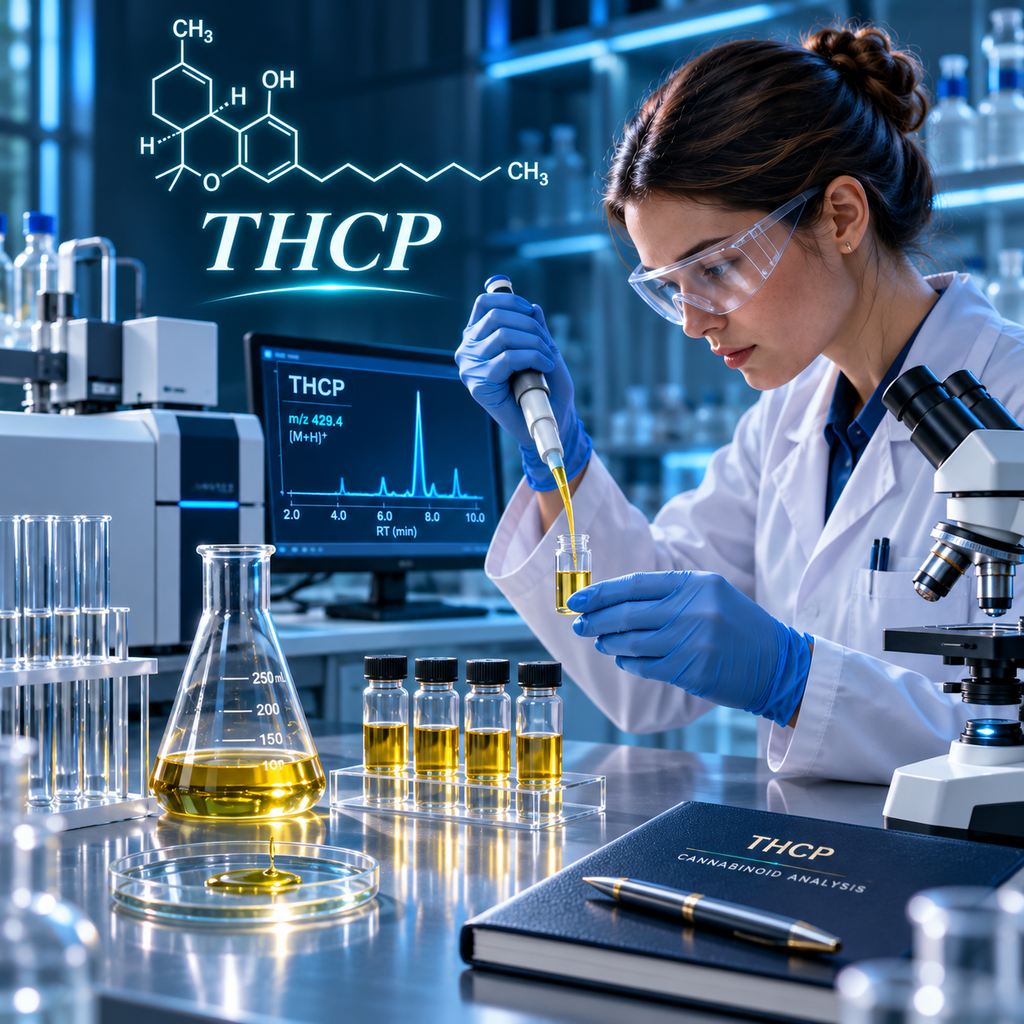
The 2019 discovery study identified THCP in Cannabis at approximately 29 micrograms per gram of plant material, alongside substantially greater amounts of THC. That finding confirmed its natural presence, but it also demonstrated just how limited its abundance can be. [2]
The amount of THCP present naturally in a particular Cannabis variety isn’t necessarily comparable to what someone consumes in a concentrated gummy, vape formulation, or other manufactured cannabinoid product.
A cannabinoid’s natural occurrence doesn’t automatically establish the safety of consuming it at concentrations that dramatically exceed those found in the plant.
We’ve already seen a similar issue with delta-8 THC. Although delta-8 occurs naturally in Cannabis, its limited abundance has led manufacturers to produce concentrated quantities through chemical conversion, frequently starting with hemp-derived CBD.
The FDA has raised concerns about product variability, inaccurate labeling, manufacturing contaminants, and adverse events associated with these products. [7] THCP presents additional challenges because of its considerable potency and limited human pharmacological data.
Several questions need to be answered when evaluating a commercial THCP product. Is the compound correctly identified? How much THCP does the product actually contain? Does it contain delta-9 THCP or other structural variants? Are there residual chemicals, unintended reaction products, or additional cannabinoids that aren’t accurately disclosed?
Even an analytically pure THCP product wouldn’t automatically establish a safe human dose. Purity addresses what a product contains, not whether the amount being consumed is appropriate for a particular person.
And there are already clinical signals worth paying attention to.
A 2025 medical case report titled “Psychosis and suicide attempt following a single use of delta-9-tetrahydrocannabiphorol: A case report” documented a serious psychiatric event following the reported consumption of 8 mg of THCP. [8]
A single case report can’t establish causation, determine how frequently an adverse reaction occurs, or define a universal threshold for toxicity. The reported dose also shouldn’t be interpreted as an established boundary between safe and unsafe consumption. Nevertheless, the report illustrates why human safety research is urgently needed.
When a cannabinoid demonstrates exceptional activity in animal models and is being sold in concentrated preparations before its human dose-response relationships are adequately established, there’s a legitimate scientific reason for caution.
What the New Study Doesn’t Tell Us
The new THCP study is an important advance, but it’s still preclinical research. Its comparisons involved mice, and some experimental administration routes differ substantially from the ways people ordinarily consume cannabinoids. Delta-9 THC comparisons relied on previously published research rather than a newly administered delta-9 THC comparison group described in the abstract.
The study doesn’t establish an equivalent human dose of THCP and THC. It doesn’t establish the duration or intensity of human intoxication, an optimal therapeutic dose, or how repeated exposure might affect the ECS over weeks, months, or years.
It also doesn’t establish whether THCP’s reduction of nociceptive responses translates into clinically meaningful pain relief in people. A strong response in an animal pharmacology experiment is interesting, but it isn’t the same as demonstrating safe and effective treatment of human disease.
Future investigations should directly compare delta-9 THC and THCP under matched experimental conditions, examine their functional activity at human cannabinoid receptors, and characterize their metabolism and distribution throughout the body.
We also need to understand THCP’s effects on receptor desensitization, endocannabinoid production, neurological adaptation, and the consequences of repeated exposure. These questions become particularly important when THCP is combined with THC, CBD, CBN, or other cannabinoids in commercial formulations.
Human research needs to catch up with the marketplace.

GCRC’s Perspective
I’ve spent years educating people about the importance of understanding cannabinoids beyond the percentage of THC on a label. This new THCP research provides another excellent example of why that education matters.
We’ve discovered a naturally occurring cannabinoid that demonstrates exceptional CB1 receptor affinity and considerable physiological potency. We’re beginning to understand how its molecular structure contributes to that activity, and we’re now seeing additional evidence of its effects in living animals.
That’s exciting science, but it also demands respect.
THCP shouldn’t be dismissed simply because it’s a minor cannabinoid, and it shouldn’t be promoted as a superior therapeutic option simply because it’s more potent than THC in certain experimental systems. More potency doesn’t automatically mean more therapeutic benefit, and it certainly doesn’t guarantee greater safety.
I believe some of the most important advances in cannabinoid medicine will come from understanding how individual cannabinoids work within the larger endocannabinoid system, including how they interact with our endogenous cannabinoids and influence the body’s ability to maintain physiological balance.
THCP deserves extensive investigation, but the goal shouldn’t be to find out how much harder we can hit the CB1 receptor. The goal should be to understand what happens when we do, what potential benefits might emerge, and what biological consequences might follow.
For those of us who’ve witnessed the tremendous potential of Cannabis, there’s every reason to continue exploring this extraordinary plant. But we’ve also got a responsibility to distinguish what the plant naturally provides from what we’re producing in concentrated formulations, and to make sure our understanding of cannabinoid science doesn’t get left behind by the commercial race to create something stronger.
The future of cannabinoid medicine isn’t simply about more potent cannabinoids. It’s about understanding how to work with a remarkably complex biological system rather than continually asking how far we can push it.
Mike Robinson, Founder, Global Cannabinoid Research Center
Scientific References
[1] Jones AM, et al. Assessment of Δ9-tetrahydrocannabiphorol (THCP), Δ8-tetrahydrocannabinol (Δ8-THC), and cannabinol (CBN) pharmacodynamics and pharmacokinetics across multiple routes of administration in the C57BL/6 mouse. European Journal of Pharmacology. 2026 Nov 9:179538. DOI: 10.1016/j.ejphar.2026.179538. PubMed.
[2] Citti C, et al. A novel phytocannabinoid isolated from Cannabis sativa L. with an in vivo cannabimimetic activity higher than Δ9-tetrahydrocannabinol: Δ9-Tetrahydrocannabiphorol. Scientific Reports. 2019;9:20335. DOI: 10.1038/s41598-019-56785-1.
[3] Shahbazi-Raz F, et al. How THC works: Explaining ligand affinity for, and partial agonism of, cannabinoid receptor 1. iScience. 2025;28(7):112706. DOI: 10.1016/j.isci.2025.112706.
[4] Tagen M, Klumpers LE. Review of delta-8-tetrahydrocannabinol (Δ8-THC): Comparative pharmacology with Δ9-THC. British Journal of Pharmacology. 2022;179(15):3915-3933. DOI: 10.1111/bph.15865.
[5] Kano M. Control of synaptic function by endocannabinoid-mediated retrograde signaling. Proceedings of the Japan Academy, Series B. 2014;90(7):235-250. DOI: 10.2183/pjab.90.235.
[6] Hirvonen J, et al. Reversible and regionally selective downregulation of brain cannabinoid CB1 receptors in chronic daily cannabis smokers. Molecular Psychiatry. 2012;17(6):642-649. DOI: 10.1038/mp.2011.82.
[7] U.S. Food and Drug Administration. 5 Things to Know about Delta-8 Tetrahydrocannabinol – Delta-8 THC. FDA Consumer Update.
[8] Psychosis and suicide attempt following a single use of delta-9-tetrahydrocannabiphorol: A case report. Psychiatry and Clinical Neurosciences Reports. 2025;4(1). DOI: 10.1002/pcn5.70060.
This article is educational commentary from GCRC. It is not a report of study findings and is not medical advice. Speak with a qualified healthcare professional about your own health.