Passive Exposure to Cannabis: What Hair Tests Reveal in Research
Study Review: Analysis of Δ9-tetrahydrocannabinol (Δ9-THC) and cannabidiol (CBD) on hair after single and repeated short in vivo passive exposures to low- and high-Δ9-THC-cannabis
 admin
5 min read
Study Review: Analysis of Δ9-tetrahydrocannabinol (Δ9-THC) and cannabidiol (CBD) on hair after single and repeated short in vivo passive exposures to low- and high-Δ9-THC-cannabis
Published in Forensic Science International, Volume 373, August 2025
Lead Author: Dr. Arianna Giorgetti, University of Bologna, Italy
DOI: https://doi.org/10.1016/j.forsciint.2025.112515
As cannabis use becomes more prevalent worldwide, both for recreational and medical purposes, the scientific community is grappling with a significant challenge: distinguishing between true cannabis consumption and passive exposure to cannabis smoke. This issue has significant implications for forensic toxicology, legal cases, and workplace drug testing. A newly published study in Forensic Science International, led by Dr. Arianna Giorgetti and her team at the University of Bologna, explores whether short-term passive exposure to cannabis smoke can lead to detectable levels of cannabis compounds, such as Δ9-tetrahydrocannabinol (Δ9-THC) and cannabidiol (CBD), in human hair.
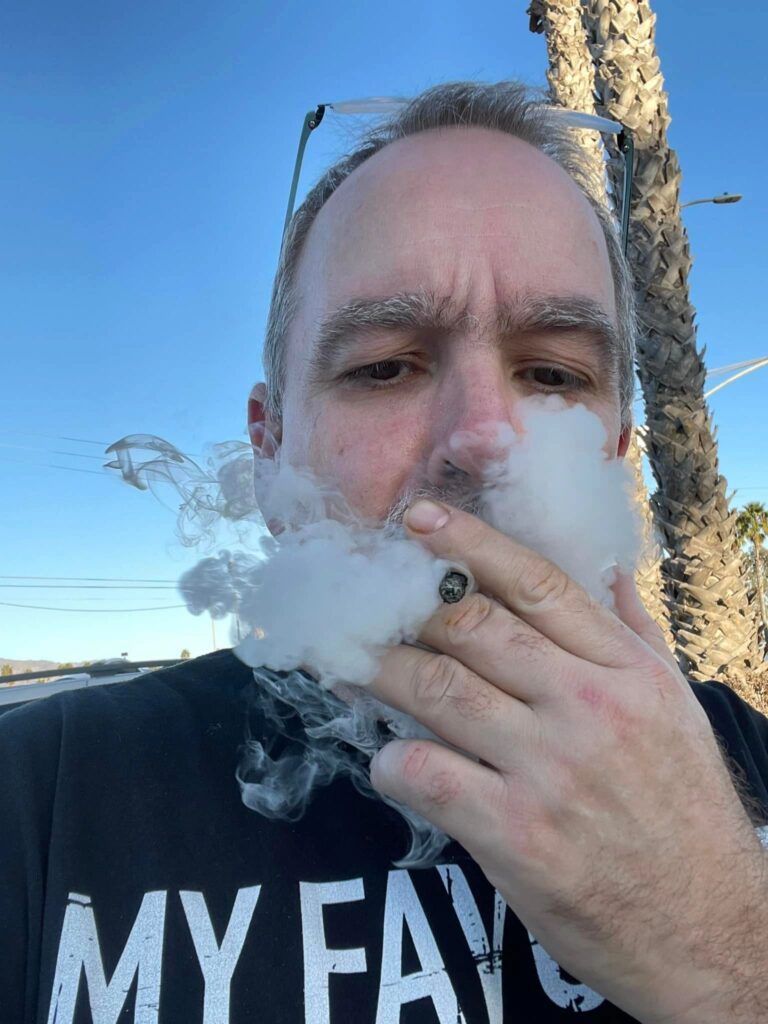
The researchers designed a controlled in vivo study to simulate realistic scenarios of passive cannabis exposure. Four healthy adult volunteers, all non-cannabis users, were exposed to cannabis smoke in a parked car under controlled conditions. Two types of cannabis were used: a low-THC "light cannabis" product containing 0.5 percent THC and 12.14 percent CBD, and a high-THC product containing 5 percent THC and negligible CBD.
Participants underwent weekly 15-minute passive exposure sessions for each cannabis type, with a one-month washout period between the two phases. Hair and urine samples were collected throughout the study to assess the presence of cannabinoids.
The results of the study were clear. Even brief, single passive exposures resulted in detectable levels of cannabinoids in hair. After exposure to light cannabis, CBD was commonly detected in hair samples (mean 0.05 ng/mg in washed hair), while THC was typically undetectable or present at very low levels.
In contrast, after exposure to high-THC cannabis, THC was readily detectable (mean 0.02 ng/mg in washed hair), while CBD was absent. Importantly, urine samples consistently tested negative for cannabis metabolites, indicating that the participants had not absorbed cannabinoids systemically through their lungs. The hair contamination was therefore due to external deposition from the cannabis smoke environment.
One key finding was that no progressive accumulation of cannabinoids in hair was observed over repeated weekly exposures. This suggests that routine personal hair washing at home was effective in limiting the long-term buildup of externally deposited cannabinoids, even though the hair remained susceptible to contamination from each individual exposure.
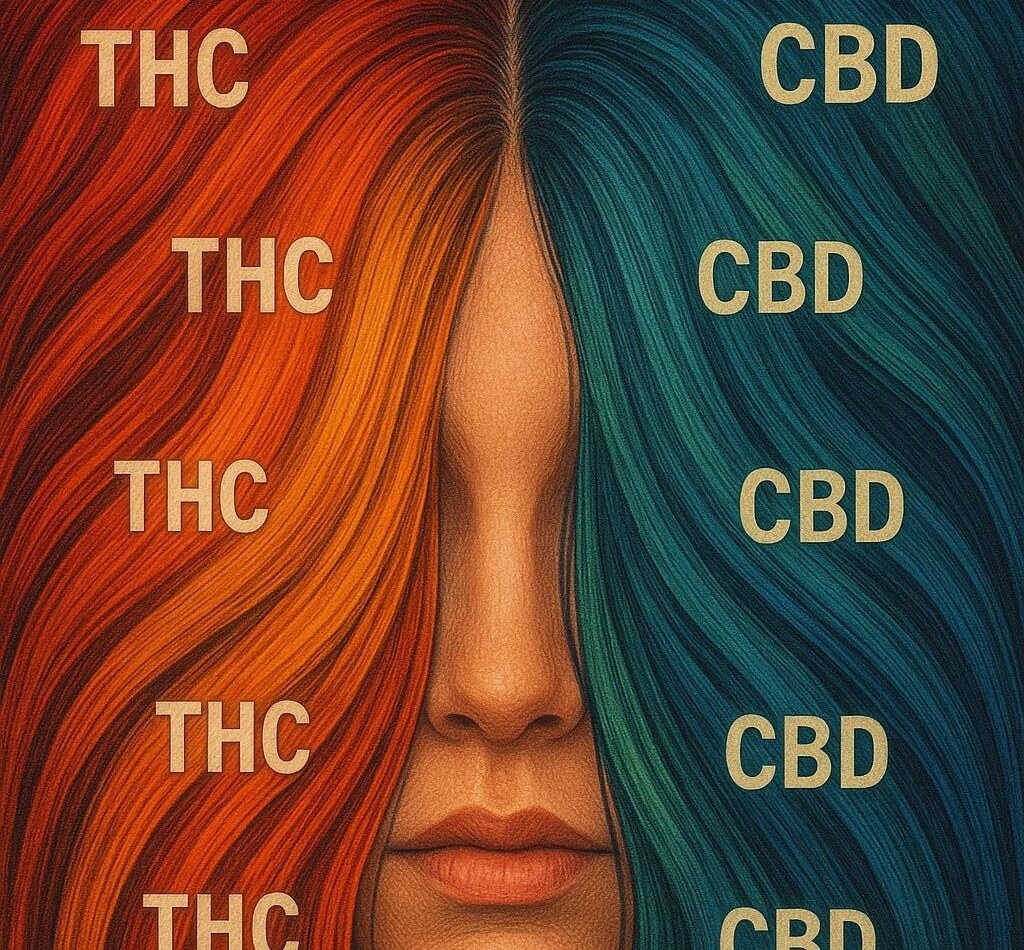
Additionally, the study found that the ratio of CBD to THC in hair could be used to distinguish between exposure to light cannabis and traditional high-THC cannabis. Hair samples from light cannabis exposure consistently exhibited high CBD and low THC, whereas the opposite pattern was observed after high-THC exposure.
Gender differences also emerged in the study. Male participants showed higher levels of cannabinoid contamination in hair than female participants. The researchers proposed several potential explanations for this finding, including differences in hair characteristics such as porosity and length, sebum content, and washing habits. Notably, some hair samples from male participants reached cannabinoid concentrations that exceeded the commonly used cut-off value of 0.05 ng/mg established by the Society of Hair Testing (SoHT) for indicating active cannabis use. This finding raises important concerns about the risk of false-positive results in hair testing following passive exposure.

The study carries several practical implications. First, it confirms that passive exposure to cannabis smoke can produce detectable cannabinoid levels in hair, sometimes at levels that might lead to false accusations of cannabis use in legal, employment, or forensic settings.
Second, the study raises concerns about the reliability of using fixed cut-off values for interpreting hair test results, particularly when passive exposure scenarios are not considered. Third, it suggests that analyzing both THC and CBD, as well as their ratios, could provide forensic scientists with additional tools to distinguish between different types of cannabis exposure.
The researchers acknowledged limitations in their study, including the small sample size and the lack of standardized hair-washing procedures. Furthermore, the hair characteristics of participants, such as melanin content and porosity, were not controlled for, and future research should address these variables.
Nevertheless, the study design was realistic, simulating everyday environments where passive cannabis exposure might occur, such as inside a car.
In conclusion, this study provides valuable evidence that even brief passive exposure to cannabis smoke can lead to measurable contamination of human hair.
These findings underscore the importance of forensic toxicologists and policymakers exercising caution when interpreting hair analysis results, particularly in legal or employment contexts. The study highlights the need to develop more robust decontamination techniques and refine testing protocols to distinguish between genuine cannabis use and environmental contamination. As cannabis products and patterns of use continue to evolve, further research is needed to ensure that forensic testing methods remain accurate and fair.

-Mike Robinson, Global Cannabis Educator and Creator of ECS Balance Control
You can access the full study here:
https://www.sciencedirect.com/science/article/pii/S0379073825001537
And its Top 3 References:
Office on Smoking and Health (US), Introduction, Summary, and Conclusions, in: Health Consequences Involuntary Expo. Tob. Smoke Rep. Surg. Gen.., Centers for Disease Control and Prevention (US), 2006.
https://www.ncbi.nlm.nih.gov/books/NBK44328/ (accessed July 22, 2024)
- [2]CDC, About Secondhand Smoke, Smok. Tob. Use (2024).
https://www.cdc.gov/tobacco/secondhand-smoke/index.html (accessed July 22, 2024).
- [3]A. Busuttil, J.O. Obafunwa, S. BulginPassive inhalation of cannabis smoke: a novel defence strategy? J. Clin. Forensic Med., 3 (1996), pp. 99-104, 10.1016/S1353-1131(96)90014-0
This article is educational commentary from GCRC. It is not a report of study findings and is not medical advice. Speak with a qualified healthcare professional about your own health.