New Study: Potency of Emerging Halogenated Synthetic Cannabinoids
Synthetic cannabinoid receptor agonists (SCRAs) are among the most rapidly evolving groups of new psychoactive substances (NPS) on the global illicit drug market. These compounds are engineered to...
 admin
4 min read

Study Review: In vitro CB1 receptor activity of halogenated indazole synthetic cannabinoid receptor agonists
Published in Archives of Toxicology, May 18, 2025
Lead Author: Dr. Henrik Green, Linköping University, Sweden
DOI: Full open access article available through Archives of Toxicology
Synthetic cannabinoid receptor agonists (SCRAs) are among the most rapidly evolving groups of new psychoactive substances (NPS) on the global illicit drug market. These compounds are engineered to mimic or exceed the psychoactive effects of Δ9-tetrahydrocannabinol (THC), the primary cannabinoid in cannabis, by binding to cannabinoid receptors CB1 and CB2 in the human body. Unfortunately, SCRAs can be significantly more potent and dangerous than THC, with links to severe adverse effects, including psychosis, aggression, kidney injury, and even death.
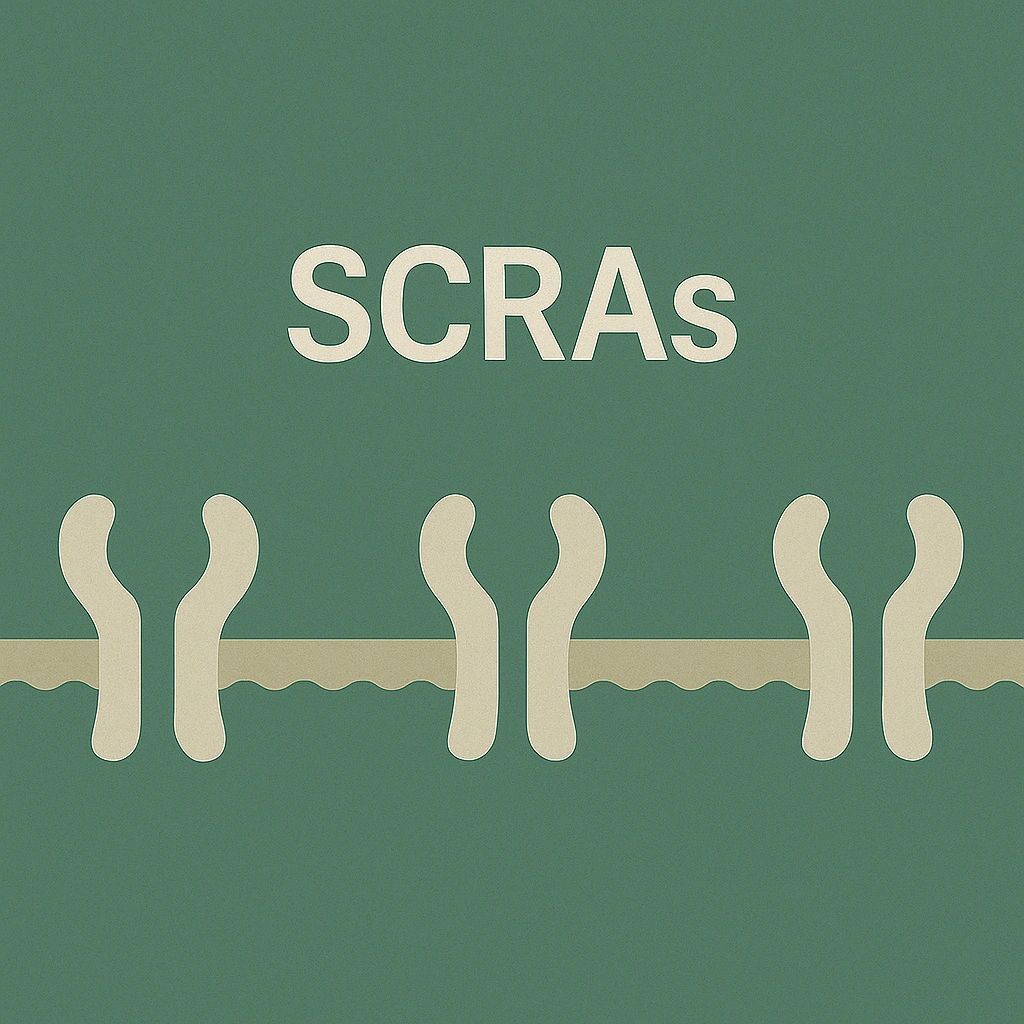
The latest study by Dr. Henrik Green and an international team of researchers, published in the Archives of Toxicology in May 2025, offers new insights into the in vitro activity of a recent class of these synthetic compounds: SCRAs with halogenated indazole cores. The research systematically evaluated 19 different halogenated SCRAs and compared them with five related non-halogenated analogs. This is the first study to comprehensively assess how placing different halogen atoms—fluorine, chlorine, or bromine—on the indazole core affects the potency and efficacy of these substances at the CB1 receptor.
In recent years, halogenated SCRAs, particularly those with bromine substitutions at the 5-position of the indazole core, have begun to dominate the illicit market in response to regulatory changes, notably in China. Before 2021, most halogenation in SCRAs occurred on the tail portion of the molecule; core halogenation is a newer modification. These chemical changes can significantly impact the psychoactive properties of SCRAs; however, until now, little data has existed on their exact effects on CB1 receptor activation.
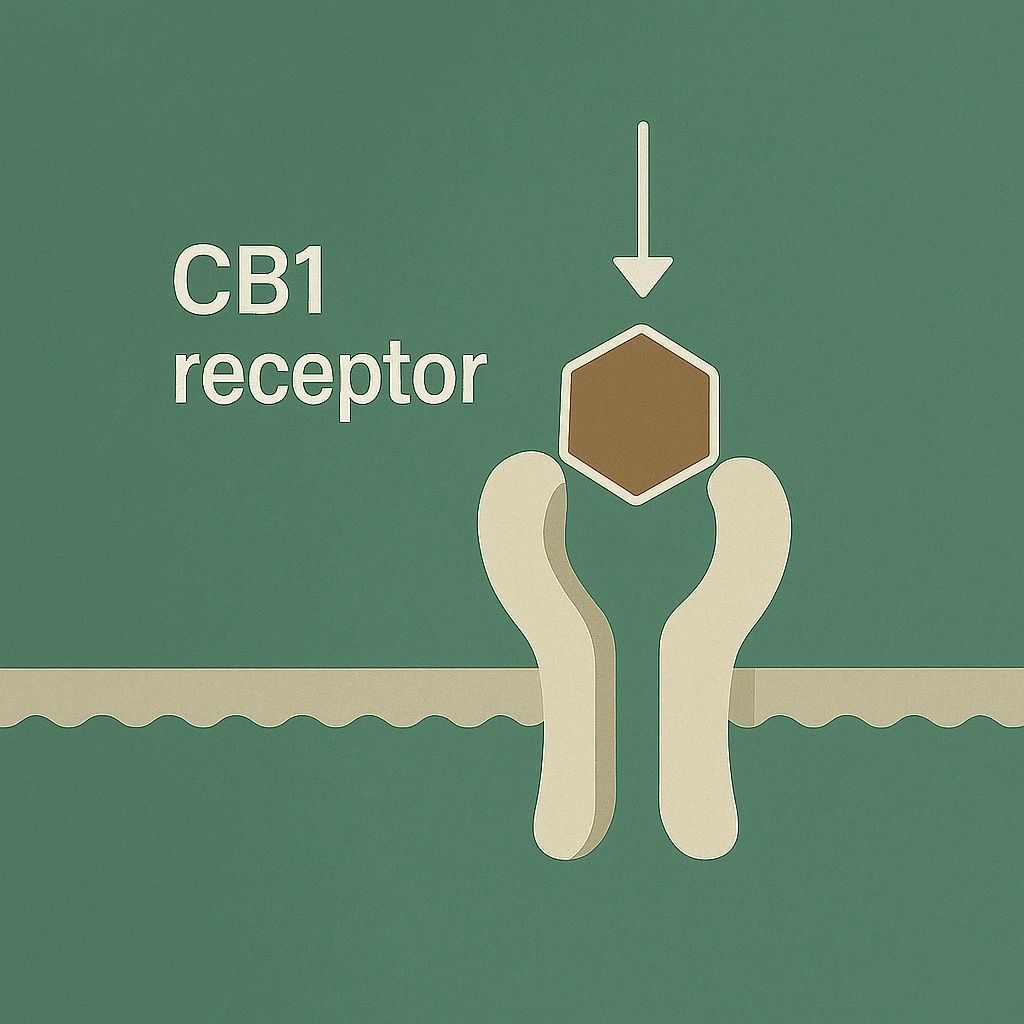
To fill this gap, the researchers employed an AequoScreen CB1 assay, which measures CB1 receptor activation by monitoring intracellular calcium release. They tested 24 compounds in total, including several newly emerging brominated and methylated SCRAs currently appearing on the European and global drug markets. The goal was to map the structure-activity relationships (SARs) of these compounds, determining how different substitutions and molecular modifications influence potency.
The study found that, for compounds with methyl ester head groups (such as MMB or MDMB), SCRAs with fluorine substitutions were the most potent CB1 agonists. Chlorinated analogs followed, with brominated versions being less powerful.
Interestingly, this relationship is reversed for SCRAs with amide head groups (AB or ADB), where brominated analogs sometimes exhibit higher potency. Tert-niacinamide SCRAs (ADB) were generally the least affected by halogenation, retaining potency similar to that of their non-halogenated counterparts. However, brominated tert-leucine methyl ester SCRAs (MDMB series) showed significantly reduced potency compared to their non-halogenated forms.
Notably, the study also examined the impact of various tail groups on SCRA activity. Compounds with pentyl, butyl, or pent-4-enyl tails showed comparable CB1 receptor potency. In contrast, SCRAs with fluorobenzyl, tail-less, or decyl tails were significantly less potent. This supports earlier research indicating that alkyl chains of four to six carbons yield optimal receptor activity.
Another key finding concerned a newly detected methylated SCRA, MDMB-5′Me-INACA. Its CB1 receptor potency was similar to that of its brominated and non-halogenated analogs, suggesting that methylation at this position does not significantly affect activity. This finding requires further validation across more SCRA variants.
The efficacy of the various SCRAs, meaning the maximum level of receptor activation they could produce, did not vary significantly with halogenation or tail type in most cases. However, the AequoScreen assay used in the study has known limitations in discriminating fine differences in efficacy among high-potency CB1 agonists.
This research provides much-needed clarity for both scientific and regulatory communities regarding the evolving class of halogenated indazole SCRAs. These compounds, designed to skirt drug laws while maximizing psychoactive effects, are rapidly replacing earlier synthetic cannabinoids on the illicit market.
By systematically mapping how chemical changes influence their CB1 receptor activity, this study helps predict the likely potency of future analogs and supports informed decisions about their regulation.
From a public health perspective, the finding that some halogenated SCRAs remain as potent or even more powerful than previous analogs is concerning. The capacity for core fluorination or bromination to either maintain or modestly reduce potency means these variants still pose significant risks. Moreover, bromination does not reliably reduce efficacy or potency across all structural variants, suggesting that brominated SCRAs will likely continue to represent a serious toxicological threat.
In conclusion, this study significantly advances our understanding of the structure-activity relationships governing modern SCRAs. It highlights that halogenation of the indazole core, particularly fluorination, does not inherently reduce CB1 receptor potency and can, in some cases, enhance it.
Given the continual appearance of new SCRAs on the illicit market, further research using complementary assays, such as β-arrestin 2 or cAMP pathways, is recommended to confirm these findings and better predict in vivo effects. Such data will be vital for both toxicologists and policymakers attempting to stay ahead of this fast-moving class of designer drugs.
-Mike Robinson, Global Cannabis Educator and Creator of ECS Balance Control
You can access the full study here:
Research Review of: Green, H., McKenzie, C., Hamra, E. et al. In vitro CB1 receptor activity of halogenated indazole synthetic cannabinoid receptor agonists. Arch Toxicol (2025). https://doi.org/10.1007/s00204-025-04082-4
This article is educational commentary from GCRC. It is not a report of study findings and is not medical advice. Speak with a qualified healthcare professional about your own health.