Cannabinoids and their Potential as Antibiotics
GCRC is happy to welcome Daniel Gana as a content writer. Enjoy his first article in our Blog:
 admin
5 min read
GCRC is happy to welcome Daniel Gana as a content writer. Enjoy his first article in our Blog:
Key takeaways:
1. CBCA shows the most potent antibacterial activity.
2. The antibacterial activity of most cannabinoids was attenuated in the presence of horse serum, possibly due to interaction with plasma proteins.
3. Combination therapy involving cannabinoids and common antibiotics was found to amplify the antibacterial effect of antibiotics.
Introduction:

When people hear the word "cannabinoid or cannabis," the first thing that comes to mind is THC or CBD. Cannabinoids are often linked to THC's mind-altering (psychotropic) effect and how cannabis is banned in many regions worldwide.
Contrary to these facts, cannabinoids are beyond THC, CBD, or cannabis plants. It is a term used to describe compounds that interact with the endocannabinoid system. About 150 compounds have been identified in different plants, including cannabis, mushrooms, liverworts, and wooly umbrella. Regardless of their source, these compounds have been found to play critical roles in promoting homeostasis or internal balance.
Cannabinoids are not the only therapeutic compounds in the cannabis plant. Scientists have discovered compounds like terpenes, thiols, complex sugars, aldehydes, and esters that may be helpful to humans. These compounds undergo synergistic relationships and promote the overall activity of cannabinoids on receptors. This was summarized in an article on Cannabox, a weed delivery service in Thailand.
Recently, there has been an increased interest in the potential role of cannabinoids as antibiotics. This was mainly triggered by the 2022 study, which discovered the potential role of cannabigerolic acid (CBGa) and cannabidiolic acid (CBDa) in blocking the cellular entry of COVID-19 viral particles in human cells.
It is pertinent to note that the antimicrobial effect of cannabinoids and cannabis extracts is not new. It was first scientifically reported in 1976 when researchers discovered delta-9 THC and CBD produced some bacteriostatic (inhibited growth) and bactericidal (killed bacterial cells) effects on gram-positive pathogens.
Newer research studies discovered the broad-spectrum activity of cannabinoids and have reported the possible antibiotic activity of cannabinoids on more than 12 pathogenic microorganisms, including those that cause skin infections and respiratory and gastrointestinal tract infections. The antimicrobial effect of cannabinoids was also reported on some pathogenic fungi, parasites, and viruses, including Covid-19.
How cannabinoids have the potential to act as antibiotics:
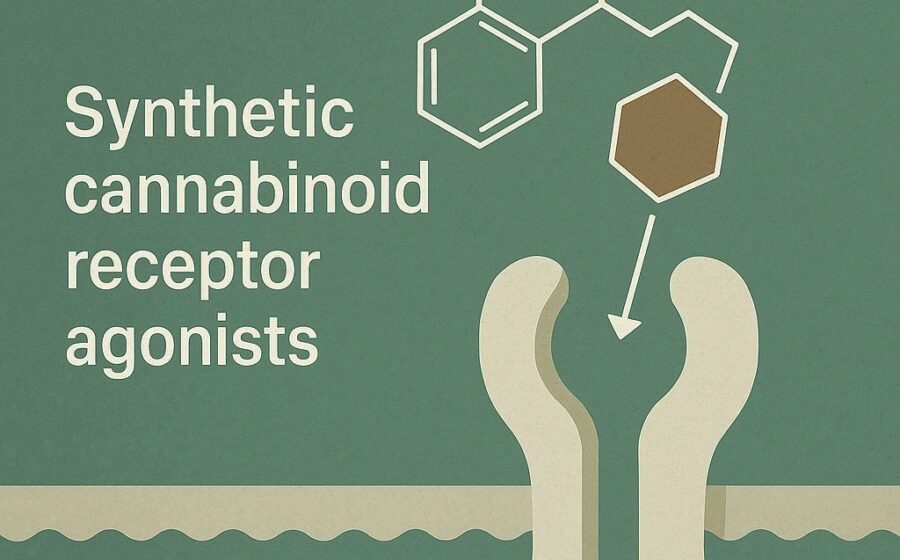
Cannabinoids exhibit different modes of activity, which is supported by their chemical structure. The arrangement of molecules in the compound strictly determines its interaction with pathogens. For instance, CBG and CBGa target the cytoplasmic membrane of gram-positive bacteria, CBCa induces a change in the bacterial membrane and nucleoid. At the same time, CBD causes a depolarization of the cell membrane.
Although most acidic cannabinoids are less potent than their neutral forms, CBCa tends to exhibit the most significant antimicrobial property thanks to its strong interaction with the microbial cell membrane, induction of oxidative stress inside the cell, and the disruption of metabolic function that leads to cell lysis and death.
Do all cannabinoids exhibit antimicrobial properties?
No, not all cannabinoids were found to produce a noticeable effect on microbial cells. Some of the most reported cannabinoids with antimicrobial effects are listed below.
1. CBG and CBGa: CBGa became the star of the moment when it played a major role in blocking the re-entry of covid-19 viral particles into human cells. It is also reported to have an active effect on gram-positive and gram-negative bacteria. CBG was reported to possess some antiparasitic effect on Leishmania.
2. CBD and CBDa: CBD represents the prototype of a promising structural class of antibiotics. Its synergy with other antibiotics shows great promise in developing novel antibiotics with a broad-spectrum activity.
3. CBDV: was reported to be active against MRSA and had a synergistic relationship with other antibiotics.
4. CBC, CBC, and CBC derivatives: CBC derivatives were discovered to show some antifungal properties.
5. Delta-9 THC: Delta-9 THC is mostly bacteriostatic.
6. CBND: this is a minor cannabinoid known as cannabidiol or CBND. It is a fully aromatized derivative of CBD and also occurs as a product of the photochemical conversion of CBN. Researchers discovered that CBND demonstrated vigorous antimicrobial activity against various MRSA (Methicillin-resistant Staph aureus) strains.
Conclusion:
The potential antimicrobial activity of cannabinoids was shown to eradicate biofilms and some antibiotic-resistant microorganisms. They were also found to be more effective when combined with other antibiotics. Although scientists are yet to understand how this relationship occurs, it was evident from research that cannabinoids can amplify antibiotics' bactericidal and bacteriostatic effects.
Although most cannabinoids exhibited a robust antimicrobial activity, researchers found their potency was attenuated in horse serum, possibly due to cannabinoids binding to plasma proteins or receptors.
Finally, it is essential to note that the chemical structure of cannabinoids determines their possible interaction with microbial cells and their activity mode. Since they show good success in laboratory studies, scientists are confident cannabinoids may serve as a promising structural class of antibiotics that may deal with antibiotic resistance in pathogens.
About the Author: Daniel Gana: He's an avid cannabis scientist, researcher, and content creator. His knowledge field includes psychedelics, cannabis science, cannabis tech, and cannabis cultivation. His history in assisting cannabis companies with SEO, Copywriting, educational content, articles, and more is extensive.
A Message from Mike, GCRC Founder:
There's so much research yet to be done, so many rocks unturned. We know that the Endocannabinoid system is responsible for our homeostasis, the equilibrium we need throughout our bodily organs to maintain their function and that this discovery is only 30 years old. The Cannabis Industry itself is 27 years old, making education about the Endocannabinoid System literally impossible until after many consumers already started using cannabis, memes got made.
The net is filled with information that most of us are trying to work through as either a patient claim or a medicinal potential being researched. We've also seen very accurate scientific conclusions by significant universities that show the incredible promise for future medicines from cannabinoids.
It's become an obsession of tens of thousands of researchers, if not more, to uncover the works of the entire Endocannabinoid System and how to make it function to better human health, as well as the potentials of the plant's many constituents that extend far beyond the cannabinoid, which many are still unaware is a class of terpenoids.
As we all learn together, the future of Cannabis in its medicinal applications grows much bolder with researchers' findings worldwide.
-Mike Robinson, Global Cannabinoid Research Center
This article is educational commentary from GCRC. It is not a report of study findings and is not medical advice. Speak with a qualified healthcare professional about your own health.