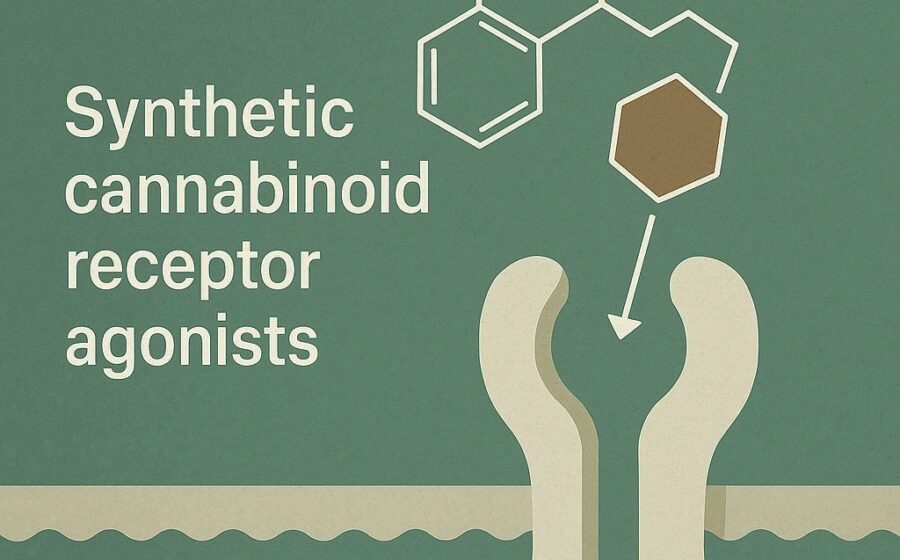
New Research: Cannabidiol Modulates Gene Expression In Withdrawal
Researchers from Spain just published scientific data regarding CBD's ability to help people step away from addictive drugs - this time it's Cocaine. The study entitled "Cannabidiol Modulates...
 Mike Robinson
4 min read
Researchers from Spain just published scientific data regarding CBD's ability to help people step away from addictive drugs – this time it's Cocaine. The study entitled "Cannabidiol Modulates Behavioral and Gene Expression Alterations Induced by Spontaneous Cocaine Withdrawal" delves into how the cannabinoid can stop alterations that cause a drug dependent individual to have more drug seeking activity after cessation of use. The study states specifically that "the administration of CBD normalized motor and somatic signs disturbances and induced an anxiolytic effect" which means it causes a drastic reduction in the anxiety that attacks a drug user in between use and often causes an individual who's wanting to quit to have the urge to use again causing the addiction to continue.
Gene expression is a tightly regulated process that allows a cell to respond to its changing environment that acts somewhat like a light switch controlling our protein production. This research delves into how the cannabinoid offsets or mitigates both negative behavior and gene expression in a spontaneous or sudden cocaine withdrawal. Various doses of CBD were given in a lab setting to mice 6 hours after cessation of use to discover how the plant constituent alters this physiological response to someone that ends an addiction.
When an individual ceases use of the addictive drug a type of crash follows almost right away. The cocaine user has a strong craving, fatigue, lack of pleasure, anxiety, irritability, sleepiness, and sometimes agitation or extreme suspicion or paranoia. Cocaine withdrawal itself can often look like a case of the jitters minus some of the intensive symptoms that come with other drugs that are often physical. Generally speaking, it's not a drug that causes a detox that includes vomiting and physical illness as much as it does extreme anxiety and somatic disturbance or disorder.
Somatic Disorder involves a person having a significant focus on physical symptoms, such as pain, weakness or shortness of breath, that results in major distress and in problems functioning that can include the malfunction of internal organs. The individual suffering from this has excessive thoughts, feelings and behaviors relating to the physical symptoms. The symptoms of Somatic disorder almost always accompany drug use as in between doses users will become anxious and often agitated while focusing on the effects of withdrawal.
CBD has been proven in multitudes of studies to reduce stress and anxiety and this one published only a week ago proves the same for those that are using cocaine and have stopped. The preview of the research is below for your review:
Cannabidiol Modulates Behavioural and Gene Expression Alterations Induced by Spontaneous Cocaine Withdrawal
Ani Gasparyan, Francisco Navarrete, Marta Rodríguez-Arias, José Miñarro & Jorge Manzanares Neurotherapeutics (2020)
Abstract
The aim of this study was to evaluate the effects of cannabidiol (CBD) on the behavioural and gene expression changes in a new animal model of spontaneous cocaine withdrawal. For this purpose, male CD-1 mice were exposed to progressive increasing doses of cocaine for 12 days (15 to 60 mg/kg/day, i.p.), evaluating spontaneous cocaine withdrawal 6 h after the last cocaine administration. The effects of CBD (10, 20, and 40 mg/kg, i.p.) were evaluated on cocaine withdrawal–induced alterations in motor activity, somatic signs, and anxiety-like behaviour. Furthermore, gene expression changes in dopamine transporter (DAT) and tyrosine hydroxylase (TH) in the ventral tegmental area, and in cannabinoid receptors 1 (CNR1) and 2 (CNR2) in the nucleus accumbens, were analysed by real-time PCR. The results obtained in the study showed that mice exposed to the spontaneous cocaine withdrawal model presented increased motor activity, somatic withdrawal signs, and high anxiety-like behaviour. Interestingly, the administration of CBD normalized motor and somatic signs disturbances and induced an anxiolytic effect. Moreover, the administration of CBD blocked the increase of DAT and TH gene expression in mice exposed to the cocaine withdrawal, regulated the decrease of CNR1 and induced an additional upregulation of CNR2 gene expression. Thus, this model of spontaneous cocaine withdrawal induces clear behavioural and gene expression changes in mice. Interestingly, CBD alleviates these behavioural and gene expression alterations suggesting its potential for the management of cocaine withdrawal.
This is a preview of subscription content
–Mike Robinson, Founder – Global Cannabinoid Research Center / GCRC Publications
This article is educational commentary from GCRC. It is not a report of study findings and is not medical advice. Speak with a qualified healthcare professional about your own health.