THC: Does It Matter If We Ingest or Inhale?
There's a big difference in the action of THC when it's ingested vs. inhaled in terms of the metabolic pathway that THC takes through the body. Most are aware that the liver breaks down the main...
 Mike Robinson
3 min read
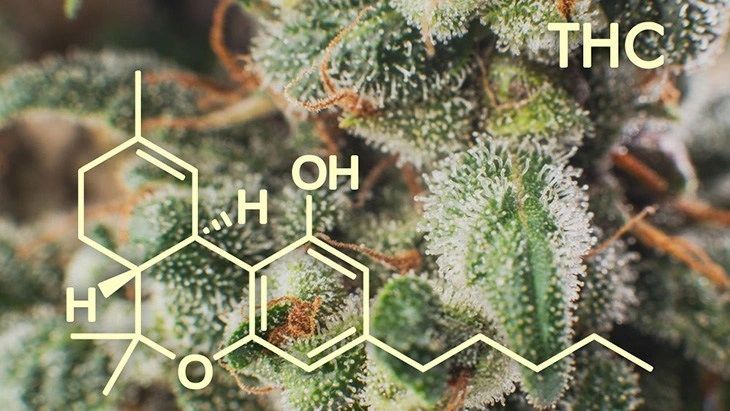
There's a big difference in the action of THC when it's ingested vs. inhaled in terms of the metabolic pathway that THC takes through the body. Most are aware that the liver breaks down the main psychoactive ingredient delta-9-THC into other molecules. First, enzymes turn delta-9-THC into 11-OH-THC (which is also psychoactive) and then into 11-COOH-THC which is minimally psychoactive as it's the last stage of metabolism. When we inhale cannabis this action occurs much more quickly than it does when we ingest. For some this makes ingestion the opportune route for long term pain management and so much more as it will last longer in the system, but the ultimate therapy for me comes when the delivery methods are combined – both ingestion and inhalation – and here's why:
When THC/cannabis is smoked or vaporized, delta-9-THC enters the bloodstream via absorption through the lungs. Once in the bloodstream, the delta-9-THC travels straight to the heart, and the heart then pumps it through the entire body, but it's concentrated into the Brain and central nervous systems cannabinoid receptors, mainly the CB1 where it will bind to cannabinoid receptors. The psychologically experienced high or medicated felling of inhaling cannabis kicks in as the THC molecules pass the blood-brain barrier and bind to receptors in the brain. The metabolism to the 11-Hydroxy is almost immediate and much more short lived than ingestion. As well, the conversion to 11-Carboxy, the more sedating and far less psychoactive metabolite of THC, occurs much more rapidly – generally within 2 hours. This is why the feeling of inhaled cannabis with high THC will give a person a 'head rush' or quickly medicate the medicinal patient. It's also why that medicated feeling doesn't last as long as well as why many will smoke or vape throughout the day or multiple times in the day or evening.
When THC/Cannabis is ingested, delta-9-THC slowly enters the bloodstream through the walls of the stomach and intestines, often taking anywhere from 30 mins. on up to an hour to metabolize and give the user the feeling of being medicated. When THC is absorbed through a gastrointestinal or ingested delivery, delta-9-THC travels first to the liver where, depending on the unique physiology of the user, either some or even much of it is eliminated or metabolized before it has ever had a chance to activate a receptor in our brain. Ingestion of THC is much more prone to activate the CB-2 Cannabinoid Receptors throughout our bodies than it is to activate CB1 in the brain. After the first pass through the liver, the remaining delta-9-THC and both its metabolites get to the heart and from there into circulation. Delta-9-THC and 11-Hydroxy-THC reach the brain simultaneously but in a much more subtle way than when inhaled. Quickly the benefits of ingestion are understood as well as the benefits of inhalation as they both offer a patient a different type of therapy.
Breaking the stigma of smoking and inhalation is so important – by using both routes of medicating it also breaks the cycle of pain which is the goal. There's two distinctly separate actions that occur within our endocannabinoid system and I'm looking for both of them. Inhalation is a short term solution where ingestion gives me long term relief. Sometimes with pain we need immediate analgesic effects and that's not going to happen by ingestion alone for most of us. There are other routes of delivery including topical, sublingual, trans dermal, and rectal – all of which are very effective as well.
Thank you,
–Mike Robinson, Founder – Global Cannabinoid Research Center / GCRC Publications
This article is educational commentary from GCRC. It is not a report of study findings and is not medical advice. Speak with a qualified healthcare professional about your own health.